







The Rise of a Dietary Villain
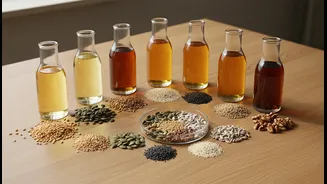
Seed oils like canola, soybean, sunflower, and corn oil have become staples in modern kitchens and processed foods. Their recent bad reputation stems primarily from their high concentration of omega-6 fatty acids, particularly linoleic acid. The theory
circulating on social media is that an excess of omega-6s, without a balancing amount of omega-3s, drives inflammation in the body, which is linked to numerous chronic diseases. Concerns are also often raised about the industrial processing methods used to extract these oils, which can involve heat and chemical solvents. This has led many health influencers to advocate for a return to traditional fats like butter and lard, creating a confusing landscape for anyone just trying to make a healthy choice.
Unpacking the Scientific Evidence
While the theory about omega-6s and inflammation sounds plausible, the bulk of human research tells a different story. Multiple scientific bodies and studies have found that dietary linoleic acid is not directly inflammatory and may even have benefits. In fact, many large-scale human studies show that when seed oils replace saturated fats (like butter), they are associated with lower LDL ('bad') cholesterol and a reduced risk of cardiovascular disease. According to Walter Willett, a professor of epidemiology and nutrition at Harvard, the idea that omega-6s are pro-inflammatory is not supported by dozens of studies, which show either no effect or a reduction in inflammatory markers. The consensus is that the fear of seed oils may be largely overblown, especially when consumed in moderation as part of a balanced diet.
The Problem with a Single-Villain Approach
Nutrition science has a long history of singling out individual nutrients as the sole cause of health problems—from dietary fat in the 90s, to carbs, and now to seed oils. This single-villain approach is almost always a distraction. Health and disease are incredibly complex, and it is rarely one ingredient that makes a diet healthy or unhealthy. The real issue often lies in what foods contain large amounts of seed oils: ultra-processed snacks, fast food, and packaged goods. These foods are also typically high in refined sugar, sodium, and other additives, and low in fiber and micronutrients. Blaming the seed oil in a bag of crisps ignores the larger problem of the food's overall poor nutritional quality. Focusing on one ingredient misses the bigger picture.
Embracing the Whole Dietary Pattern
So, what's the alternative? Shifting focus from single nutrients to the overall dietary pattern. A 'whole diet' approach emphasizes the quality, variety, and combination of foods you eat every day. Healthy dietary patterns, such as the Mediterranean diet, consistently show better health outcomes. These patterns are rich in fruits, vegetables, whole grains, legumes, nuts, and seeds. They don't fixate on eliminating one specific ingredient but rather on building a foundation of nutrient-dense, minimally processed foods. This framework is more flexible, sustainable, and better supported by science than chasing the latest dietary villain. The American Heart Association, for example, recommends an eating pattern that includes non-tropical vegetable oils while limiting sodium, sweets, and processed meats.
Practical Steps, Not Panic
Instead of panicking about every drop of canola oil, consider these practical shifts. Focus on addition, not just subtraction. How can you add more vegetables, fruits, and fiber to your meals? When you cook at home, you have complete control. Using a variety of oils, including seed oils, for different cooking purposes is perfectly fine. The key is to reduce reliance on ultra-processed and fried foods, where high amounts of these oils are often found. By cooking more meals from scratch, you naturally reduce your intake of the processed foods that are the real concern. This shifts the focus from food fear to a positive and empowering approach to eating that prioritizes whole, nourishing foods.