


Why Weight and Labels Often Mislead
Relying on your body weight to choose a clothing size is an unreliable method for a simple reason: body composition. A kilogram of muscle is denser and takes up less space than a kilogram of fat. This means two people with the exact same weight can have
vastly different body shapes and require different clothing sizes. Furthermore, there is no legally enforced universal standard for clothing sizes. Brands create their own sizing charts based on their target customer, leading to the wild inconsistencies we see from store to store. This is often compounded by 'vanity sizing', where brands label clothes with smaller sizes to make shoppers feel better, adding another layer of confusion. The result is that the letter or number on the tag is often an arbitrary suggestion rather than a true indicator of fit.
The Power of Your Personal Measurements
The most effective way to navigate the confusing world of apparel sizing is to know your own measurements. Armed with this data, you transform from a passive consumer, guessing which size might work, into an empowered shopper. Knowing your key numbers allows you to confidently check a brand's specific size chart online and choose the size that truly corresponds to your body's dimensions. This dramatically reduces the chances of ordering something that doesn’t fit, saving you time, money, and the hassle of returns. It also makes you a more conscious consumer, focusing on how a garment will actually fit your unique shape rather than striving to fit into a pre-defined, and often meaningless, size category. This shift in perspective is the first step towards building a wardrobe that is both comfortable and stylish.
Your Guide to Taking Key Measurements
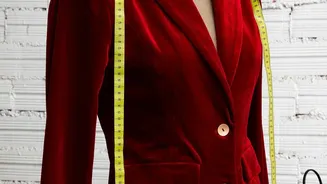
You don’t need any fancy equipment—just a flexible sewing tape measure. For the most accurate results, measure yourself wearing minimal clothing, like undergarments. Stand in a natural, relaxed posture and ensure the tape is level and snug, but not digging into your skin. The three most essential measurements for most garments are: 1. Bust: Wrap the tape around the fullest part of your chest. It's best to wear the type of bra you would normally wear with the garment you intend to buy. 2. Waist: Find your natural waistline. This is the narrowest part of your torso, usually just above your belly button. A good trick is to bend to one side; the point where your skin creases is your natural waist. 3. Hips: Measure around the widest part of your hips and bottom. Stand with your feet together to ensure an accurate reading. For trousers and jeans, you will also want to measure your inseam, from the crotch down to your ankle or desired hem length.
Using Measurements for Shopping and Alterations
Once you have your measurements, you can use them as your personal fit guide. When shopping online, ignore the 'S/M/L' and go straight to the website's size chart. Compare your bust, waist, and hip numbers to the chart to find your best fit. If your measurements fall between two sizes, consider the garment's style. For a loose-fitting dress, you might size down; for a tailored blazer, you may want to size up to accommodate your shoulders or bust and have it altered for a perfect fit. When you visit a tailor, providing your measurements is a game-changer. Instead of saying a shirt “feels tight,” you can provide concrete information like, “My bust measurement is 38 inches, and this shirt measures 36 inches across the chest.” This clear communication allows the tailor to make precise adjustments, ensuring your clothes are altered to fit your body perfectly.