



The Science in the Starch
Every time you rinse rice before cooking, you're washing away surface starch. But that starchy water, known as rice water, also contains trace amounts of beneficial nutrients that are great for plants. We’re talking about small but helpful quantities
of nitrogen, phosphorus, and potassium (N-P-K), the primary macronutrients found in commercial fertilisers. It also contains minerals like magnesium, calcium, and iron, along with B vitamins. While it's not a powerhouse fertiliser, it acts as a gentle, organic supplement that can improve soil health. The starch itself feeds beneficial microbes in the soil, which in turn helps your plant’s roots access nutrients more efficiently. Think of it less as a full meal and more as a healthy, hydrating vitamin drink for your plants.
Why Hibiscus Plants Respond Well
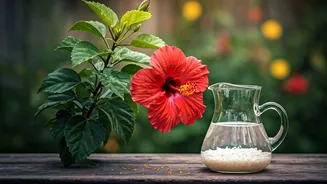
Hibiscus plants are known for being 'heavy feeders,' especially when they are producing their big, beautiful blooms. They have a particular fondness for potassium, which is crucial for flower development, water regulation, and overall plant vigour. While rice water isn't packed with potassium, it provides a consistent, mild dose that supports these functions without the risk of the chemical burn that can come from overusing strong synthetic fertilisers. The gentle nature of rice water makes it an excellent supplement between regular feedings. It helps maintain the slightly acidic soil pH that hibiscus plants prefer and encourages the lush, green foliage that makes those vibrant flowers pop.
How to Prepare and Use Rice Water
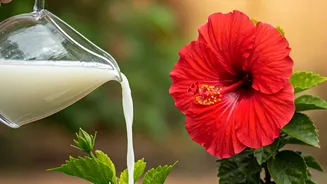
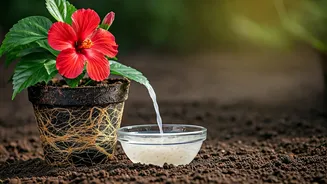
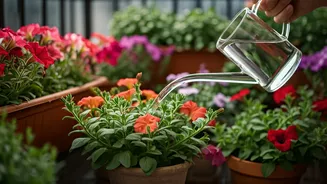
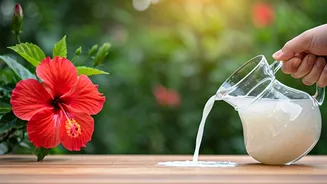
Using this kitchen byproduct is incredibly simple, but there are a few key rules to follow for the best results. 1. **Collect the Right Water:** Only use the water from rinsing uncooked rice. The water you've used to boil rice is often too starchy and, if you've added salt, it can be harmful to your plants. Stick to the first or second rinse. 2. **Dilute It:** Pure rice water can be a bit too starchy. A good rule of thumb is to dilute it with an equal amount of plain water (a 1:1 ratio). If your rinse water is particularly cloudy, you might even want to dilute it further. 3. **Application:** Use the diluted rice water to water your hibiscus plant just as you normally would. Pour it directly onto the soil at the base of the plant, avoiding the leaves to prevent any potential fungal issues. Don’t replace all watering with rice water; use it once every one to two weeks as a supplementary treat.
A Note on Fermented Rice Water
For those wanting to take this a step further, you can ferment the rice water. Fermented rice water (FRW) has a lower pH, making nutrients more readily available to acid-loving plants like hibiscus. The fermentation process also cultivates beneficial microorganisms that can further enrich the soil. To make it, simply leave your collected rice water in a loosely covered jar at room temperature for two to three days. It will develop a slightly sour smell, which is a sign that fermentation is happening. Once it’s ready, be sure to dilute it even more than you would fresh rice water—a ratio of one part FRW to 20 parts water is a safe starting point—as it is much more potent.
Potential Pitfalls and Best Practices
While rice water is a wonderful supplement, moderation is key. Overusing it can lead to a starchy buildup on the topsoil, which may attract pests or lead to mould growth. If you notice a film forming on the soil or an unpleasant odour, cut back on your applications and stick to plain water for a while. It’s also crucial to remember that rice water is not a complete fertiliser. Your hibiscus will still need a balanced, all-purpose fertiliser during its growing season to meet all its nutritional needs. Use rice water as a bonus boost, not as a replacement for a proper feeding schedule. This simple practice is about supplementing your plant care routine, not completely overhauling it.