





The humble potato is a fixture on nearly every Indian dinner table. But what if this everyday staple got a vibrant, healthy makeover? Say hello to India's purple potato, a striking innovation that's about much more than just its colour.
Meet Kufri Neelkanth: A Potato with a Purpose
This isn't just
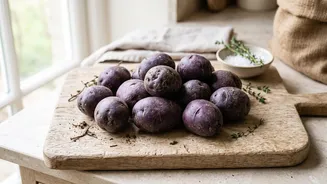
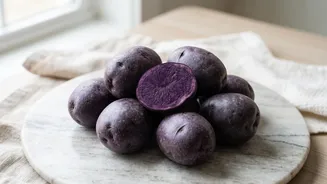
any potato dyed purple; it's a specific variety named 'Kufri Neelkanth', developed by the Indian Council of Agricultural Research's Central Potato Research Institute (ICAR-CPRI) in Shimla. It's the country's first indigenously developed purple potato, born from years of dedicated plant breeding. The goal was to create a potato that not only yields well for farmers but also packs a serious nutritional punch for consumers. While most potatoes in India are white or yellow-skinned, Kufri Neelkanth stands out with its deep purple skin, hinting at the powerful nutrients held within.
The Science Behind the Colour
So, what makes it purple? The answer is anthocyanins, the same powerful antioxidants found in foods like blueberries, blackberries, and jamun. These compounds are natural pigments that give fruits and vegetables their rich red, blue, and purple hues. Kufri Neelkanth is loaded with them, containing over 100 micrograms per 100 grams of fresh potato. Antioxidants are vital for our health as they help fight cellular damage caused by unstable molecules called free radicals. Research suggests that a diet rich in anthocyanins is linked to a lower risk of heart disease, better blood sugar management, and anti-inflammatory benefits.
A Win for Farmers and Consumers
Kufri Neelkanth is more than just a healthy choice; it's a smart one for agriculture. Scientists at ICAR-CPRI engineered it to be a high-yielding variety, capable of producing 35-38 tonnes per hectare, which makes it an attractive crop for farmers. Crucially, it also has strong field resistance to late blight, one of the most devastating potato diseases. This resilience can reduce farmers' reliance on chemical sprays, leading to lower costs and more environmentally friendly cultivation. For consumers, the potato offers a familiar taste and mealy texture, making it an easy substitute in everyday cooking. The purple colour holds up well during boiling and baking, though it may fade with high-temperature frying.
From the Lab to Your Plate
After its development in Shimla, Kufri Neelkanth has been recommended for cultivation across the North Indian plains. It's now being grown in states like Punjab, Haryana, Uttar Pradesh, and Madhya Pradesh, slowly making its way from research farms to commercial fields. While its dark purple skin is its signature, the flesh inside is a creamy yellow, meaning the antioxidants are concentrated in the skin. More recently, ICAR has even developed a variety called 'Kufri Jamunia' with purple flesh, ensuring the nutrients remain even after peeling. These innovations show a clear path from the laboratory to the lunch plate.
The Bigger Picture : Biofortification
The development of Kufri Neelkanth is part of a larger , global food movement called 'biofortification'. This is the science of breeding crops to increase their nutritional value. Instead of adding vitamins to food after it's processed , biofortification builds them right into the crop itself. In a country where staple foods like rice , wheat , and potatoes form the bulk of the population's diet , enhancing their inherent nutritional content is a powerful strategy to combat 'hidden hunger'—a lack of essential vitamins and minerals. This purple potato is a prime example of how science can make our daily meals healthier without asking us to change our eating habits.