




The 'One-Trick Pony' Problem
A significant source of food waste comes from buying ingredients for a single, specific recipe. That exotic spice for a one-time dish or a special sauce that never gets used again often ends up pushed to the back, forgotten until it's too late. These
'one-trick pony' ingredients are risky purchases. Unless you commit to exploring other uses for them, they are prime candidates for the bin. Reducing waste begins with a shift in mindset before you even go shopping. Planning your meals is a great start, but the real magic happens when you start to think in terms of ingredients, not just recipes.
Embrace Your Kitchen's Multitaskers
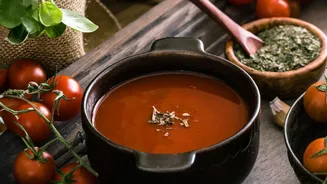
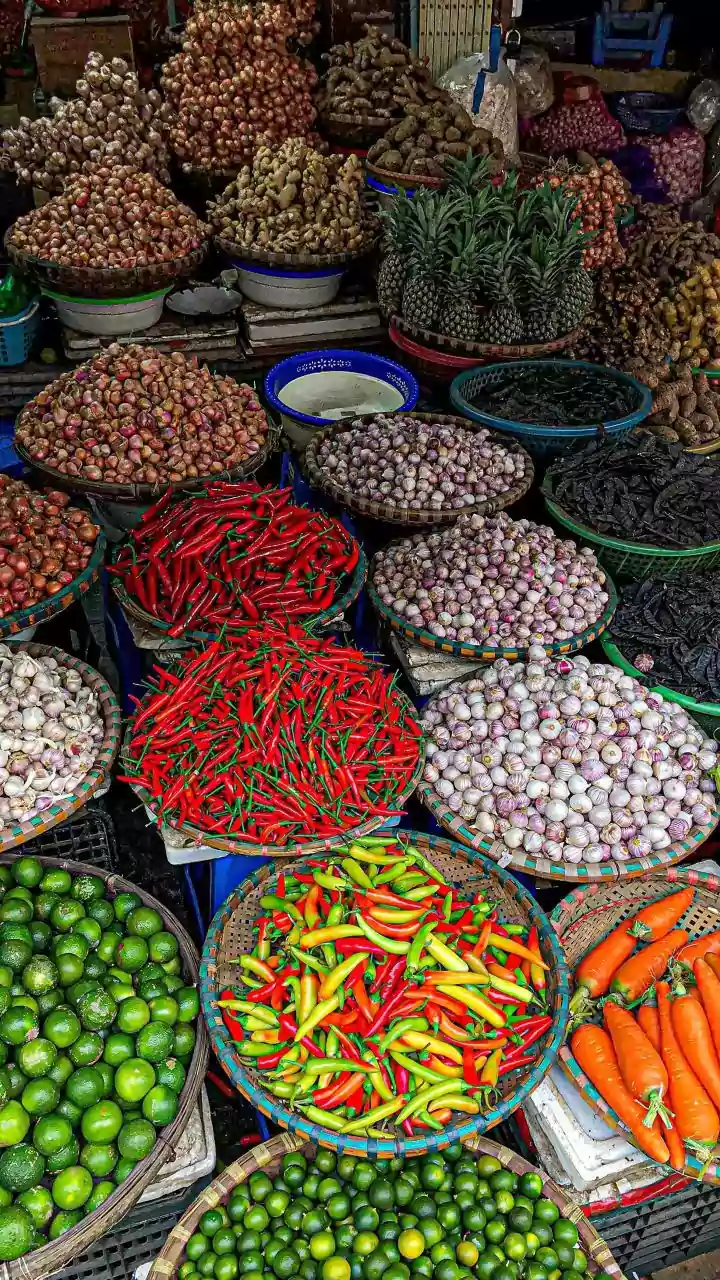
The most powerful tools against food waste are the humble, hardworking staples. Ingredients like potatoes, onions, cabbage, tomatoes, and lemons are culinary chameleons. A potato isn't just for frying; it can be baked, mashed, roasted, turned into gnocchi, or added to soups and stews. Tomatoes that are too soft for a salad are perfect for cooking into a rich pasta sauce or a hearty soup. Cabbage can be used raw for a crunchy slaw, stir-fried, or braised. By stocking your kitchen with these versatile heroes, you build a flexible foundation that allows you to create countless dishes from a core set of ingredients, ensuring everything gets used.
Think Sauces, Stocks, and Sides
Leftover bits and bobs don't have to be waste; they can be treasure. Keep a bag in your freezer for vegetable scraps like onion skins, carrot ends, and celery tops. Once it's full, you can simmer them with water to create a flavourful vegetable stock for free. Wilting herbs like coriander, mint, or parsley can be blended with oil, garlic, and nuts to create a vibrant pesto or chimichurri. That small portion of leftover roasted vegetables from last night's dinner can be chopped and mixed into a slaw, tossed into a stir-fry, or folded into an omelette for a quick and easy lunch.
The Art of the 'Clean-Out' Meal
Designate one meal a week as a 'clean-out' meal. This is your chance to get creative and use up whatever is lingering in the fridge. A stir-fry is a classic choice, as almost any combination of vegetables works well when cooked in a hot pan with some ginger, garlic, and soy sauce. Frittatas, omelettes, and savoury tarts are also excellent vehicles for using up small amounts of cooked meats, cheeses, and vegetables. Soups are another fantastic option; just dice, season, and simmer your leftover produce. This approach not only prevents waste but also hones your skills as an intuitive cook, teaching you to combine flavours and textures on the fly.
A Shift in Shopping Mindset
The fight against forgotten food begins at the grocery store. Before you put an item in your cart, ask yourself: 'What are three things I can make with this?' If you can't quickly name a few uses, consider whether you really need it. This mindful shopping approach helps you avoid impulse buys that lead to waste. Opt for loose fruits and vegetables over pre-packaged ones so you can buy the exact quantity you need. By being more intentional with your purchases and focusing on versatile ingredients, you not only reduce waste but also save money and simplify your cooking routine.