






From Local Lanes to Global Plates
For decades, the international perception of Indian cuisine was largely limited to a handful of restaurant staples like chicken tikka masala and naan. While delicious, these dishes barely scratch the surface of India's vast culinary landscape. The real
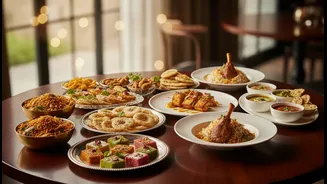
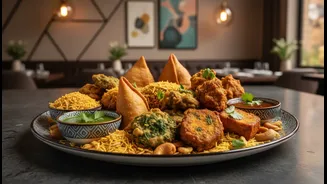
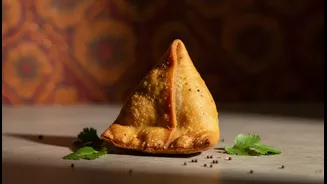
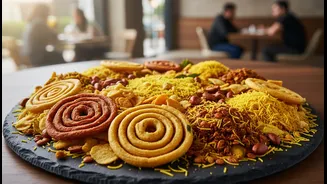
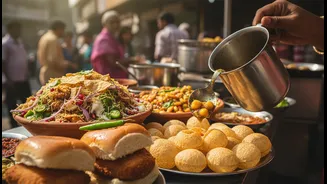
flavour revolution is happening now, and it’s rising from the streets. Beloved snacks like pani puri, vada pav, pav bhaji, and a universe of chaats are no longer hidden gems but are becoming mainstream attractions in cities from London to Los Angeles. This shift marks a new chapter where authenticity is the main ingredient, and the complex, vibrant tastes of street-side vendors are being celebrated on a global scale.
The Trailblazers of Taste
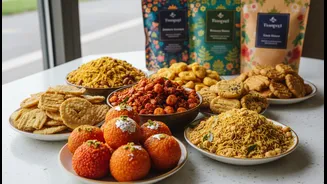
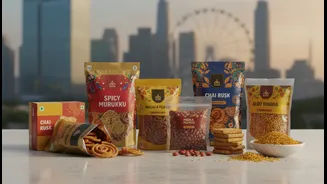
Leading this charge are iconic Indian food brands that have transformed from humble local shops into global powerhouses. Haldiram's, which started as a small sweet and savoury shop in Bikaner in 1937, now has outposts in the UK and beyond. Its recent opening in London saw crowds lining up for classics like chole bhature and raj kachori, proving the immense appetite for genuine Indian flavours. Similarly, chains like Bikanervala and Saravana Bhavan have established a significant international presence, serving everything from Delhi-style chaat to South Indian dosas in locations across the UAE, USA, and Canada. These chains are not just restaurants; they are cultural ambassadors.
Why the World Wants Authentic Flavours
Several factors are fuelling this global craving. Firstly, the growing Indian diaspora has created a strong initial customer base and introduced these dishes to new communities. Secondly, a new generation of global foodies, armed with social media, actively seeks out novel and authentic culinary experiences. They are more interested in the true taste of a region than a watered-down version. This demand for authenticity means chains no longer feel the need to westernize their menus. Instead, they find success by presenting dishes in their true form, balancing spicy, sweet, sour, and savoury notes in a way that is uniquely Indian. The rise of vegetarian and plant-based diets has also helped, as Indian street food offers a vast and flavourful array of meat-free options.
A Smart and Scalable Business Model
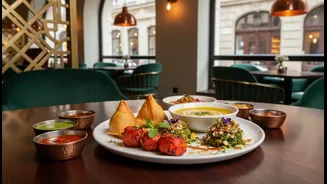
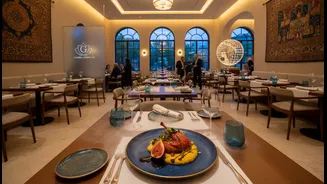
The success of these chains isn't just about taste; it's also about a savvy business approach. They have perfected a fast-casual model that fits modern dining habits. This format provides the quick, flavourful bites characteristic of street food but in a hygienic, standardized, and accessible setting. By focusing on high-volume, quick-turnover items with scalable ingredients, these restaurants can operate efficiently while delivering a consistent experience. They are selling not just a meal but an entire cultural vibe — vibrant, social, and perfect for sharing. This strategy has allowed brands like Curry Up Now in the US and Dishoom in the UK to build loyal followings by presenting traditional flavours in modern, appealing contexts.
The Next Wave of Innovation
The trend continues to evolve, with a new wave of brands focusing on specializing in a single, iconic street food item. Chains dedicated to the Mumbai vada pav, like Goli Vada Pav, or those perfecting the kathi roll are finding international success by doing one thing exceptionally well. Furthermore, fusion concepts are emerging, blending Indian street food elements with other global cuisines, leading to creations like dosa tacos and masala poutine. This creative blending shows the versatility of Indian flavours and their ability to integrate into different culinary traditions, from food trucks in Toronto to minimalist cafes in Tokyo.