






The Daily Salt Limit and Why It Matters
The World Health Organization (WHO) recommends that adults consume less than 5 grams of salt per day, which is about one teaspoon. However, studies show that the average daily salt intake in India is between 8 to 11 grams, nearly double the recommended
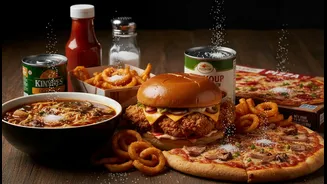
limit. This excess sodium is a major contributor to high blood pressure (hypertension), which in turn increases the risk of heart disease, stroke, and kidney problems. The problem is that most of this salt doesn't come from the salt shaker at home. It's hidden in the processed and packaged foods we eat every day.
The Usual Suspects: Sauces and Pickles
Condiments that are a staple in many Indian households can be loaded with sodium. A single tablespoon of pickle (achar) can pack a significant portion of your daily salt allowance, as salt is a primary preservative. Similarly, papads, whether roasted or fried, are very high in sodium. Sauces and spreads are another major source. Ketchup, soy sauce, and various chutneys add a surprising amount of salt to your meals. Just a small serving of these flavour enhancers can quickly push your sodium intake over the edge without you even realising it.
Snack Attack: When a Small Bite Adds Up
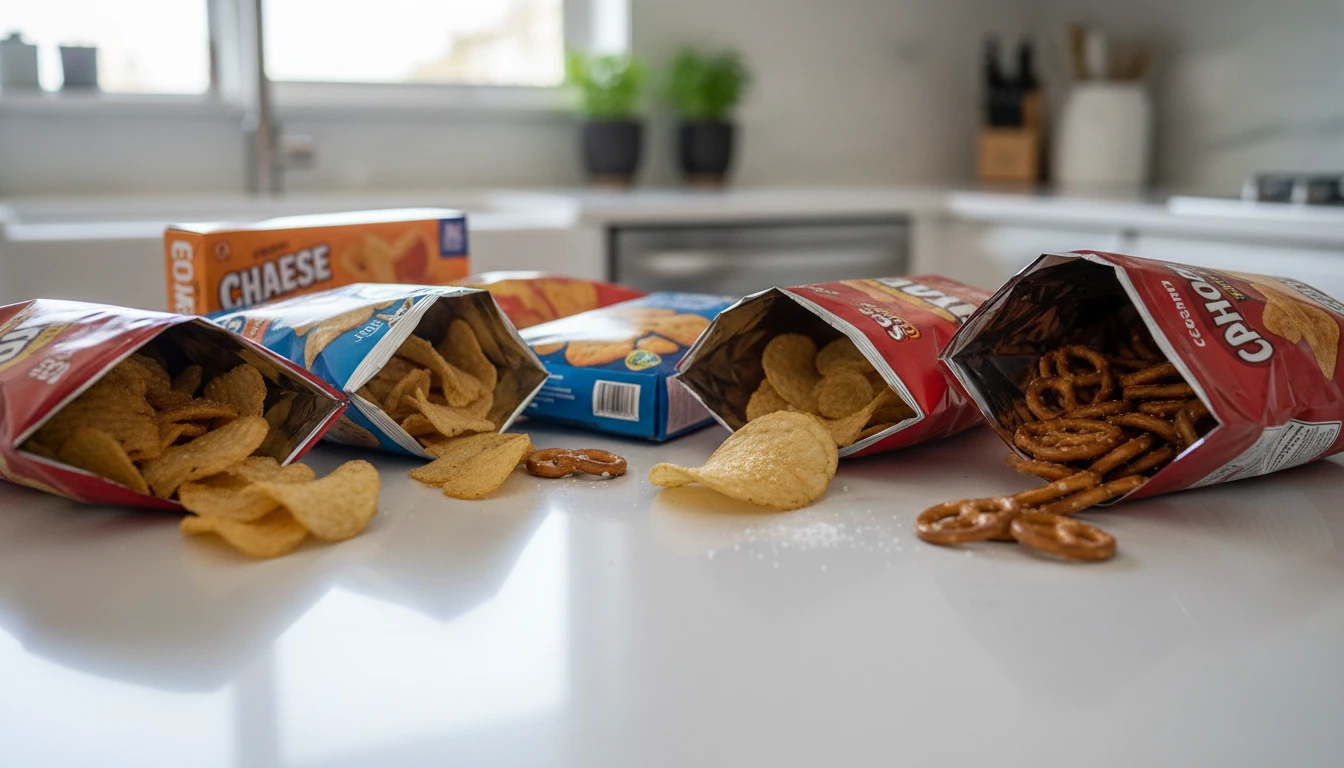
Packaged snacks are a significant source of hidden salt. That seemingly small packet of namkeen, bhujia, or potato chips often contains a high level of sodium to enhance flavour and shelf life. For example, a 50g serving of a typical namkeen mixture or bhujia can contain between 400 to 600 mg of sodium. Even foods that don't taste particularly salty, like biscuits and bread, contain added sodium. The most alarming culprit can be instant noodles, where a single packet's seasoning can contribute over half of the recommended daily salt intake.
The Convenience Trap: Ready-to-Eat Meals
In our busy lives, ready-to-eat meals, from packaged curries and dals to instant soups, are a convenient option. However, this convenience often comes at the cost of high sodium content. Salt is used generously in these products as a preservative and to make the flavours stand out. A single serving of a frozen or ready-made Indian meal can contain anywhere from 600 mg to over 1,100 mg of sodium. Even restaurant and takeaway meals are typically prepared with much more salt than home-cooked food.
How to Become a Salt-Smart Consumer
The first step to controlling your salt intake is awareness. Get into the habit of reading the nutrition labels on packaged foods. Pay close attention to the sodium content, which is listed in milligrams (mg) per serving or per 100g. Be mindful of the serving size mentioned on the package, as it's often smaller than what one might typically consume. Whenever possible, choose fresh ingredients over processed ones. When you cook at home, you have complete control over how much salt goes into your food. The Food Safety and Standards Authority of India (FSSAI) encourages using alternative flavourings like lemon, herbs, and spices such as black pepper or oregano to reduce salt.