






The Meteoric Rise of 10-Minute Delivery
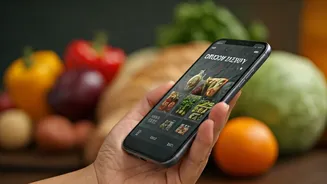
In bustling Indian cities, a new consumer habit has taken firm root: quick commerce, or q-commerce. Platforms like Blinkit, Zepto, Swiggy Instamart, and Flipkart Minutes have transformed urban retail by delivering groceries and other essentials in as little
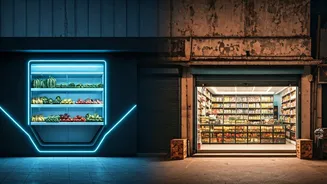
as 10 to 30 minutes. This model, powered by a dense network of 'dark stores'—mini-warehouses dedicated to online orders—has seen explosive growth, particularly since the pandemic accelerated digital adoption. Driven by rising urbanisation, widespread smartphone use, and a growing demand for convenience, India’s q-commerce market has become a dominant force. Recent reports show the sector expanding into Tier 2 and Tier 3 cities, indicating a wider national adoption beyond the metros. What started as a service for emergency top-ups is now a primary shopping channel for many.
The Calculus of Convenience
Why the massive shift? The primary driver is unparalleled convenience. For time-poor urban households, the ability to get anything from milk and bread to electronics delivered almost instantly is a game-changer. This has led to a behavioural shift where consumption becomes more spontaneous. The psychological barrier to making high-value purchases online is also shrinking, with platforms reporting significant sales of items like smartphones and gold coins. This “instant gratification” model is especially popular with Gen Z and millennial consumers, who now constitute a significant portion of the e-retail shopper base. The trend is so powerful that a majority of consumers report they would continue using these services even with fewer discounts, prioritising time saved over money saved.
The Kirana Store Conundrum
This digital disruption poses a direct challenge to India's approximately 13 million kirana stores, the traditional backbone of the country's retail ecosystem. These neighbourhood shops are facing significant revenue pressure, especially in metros, as their customers for impulse buys and daily staples turn to apps. Traders' associations have voiced concerns over predatory pricing and unfair competition, alleging that deep discounts offered by heavily funded q-commerce platforms are harming small retailers. However, the picture is not entirely bleak. Kirana stores still dominate in semi-urban and rural areas and hold over 85% of the grocery market share. Their strengths lie in personal relationships, community trust, and offering credit—services that apps cannot easily replicate.
A Future of Coexistence and Adaptation
Instead of a complete replacement, the future of Indian retail appears to be a hybrid one. Many kirana owners are adapting by embracing technology themselves. This includes adopting digital payments, using WhatsApp for orders, and even partnering with q-commerce platforms to serve as last-mile delivery hubs or micro-fulfilment centres. Some shopkeepers in metro areas have converted their stores into dark stores for platforms like Zepto, finding a new source of income in the changing landscape. At the same time, q-commerce faces its own hurdles, including high operational costs, logistical complexities, and questions around the sustainability of the gig worker model. This suggests that a collaborative ecosystem, where technology empowers traditional stores and q-commerce adapts to local realities, is the most likely outcome.