

The Problem with Polished White Rice
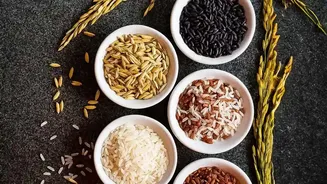
Polished white rice, a daily staple in countless Indian households, is unfortunately a shadow of its whole-grain self. The rigorous milling and polishing process strips away the bran and germ, which are the most nutritious parts of the grain. What's left
is mostly simple starch. This process removes the majority of its natural dietary fiber, vitamins, and minerals. The result is a high-glycemic-index food, meaning it can cause a rapid spike in blood sugar after consumption, followed by a crash that leaves you feeling tired and hungry sooner. For a grain that forms the base of so many meals, its low nutritional density is a missed opportunity for better health.
Meet Your New Kitchen Heroes: Foxtail and Sorghum
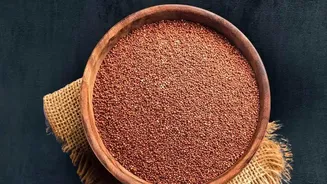
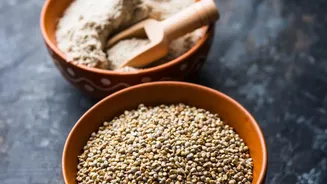
It's time to reacquaint ourselves with two nutritional powerhouses from our own heritage: Foxtail millet, known as Kangni in Hindi or Thinai in Tamil, and Sorghum, commonly called Jowar. These are not new, trendy superfoods; they are ancient grains that have nourished Indians for centuries before mass cultivation of rice and wheat took over. Both are naturally gluten-free, making them suitable for those with sensitivities. More importantly, they are hardy, drought-resistant crops, making them a sustainable and climate-friendly choice for the future of Indian agriculture.
The Nutritional Showdown
When you put these grains side-by-side, the difference is stark. A 100-gram serving of foxtail millet contains around 8 grams of dietary fiber, whereas polished white rice has a mere 0.3 grams. That's over 25 times more fiber. Jowar is also an excellent source of fiber, with about 6.7 grams per 100g. In terms of protein, both millets outperform rice; foxtail millet has nearly double the protein content. Furthermore, millets are packed with essential micronutrients like iron, calcium, and magnesium that are largely absent in polished rice. Perhaps most critically for managing modern lifestyle diseases, millets have a much lower glycemic index (GI). Foxtail millet has a GI of around 50, while white rice scores a high 73, making millets a far better choice for stable blood sugar levels.
Health Benefits Beyond Fiber
The high fiber content is just the beginning. The lower glycemic index of foxtail millet and sorghum makes them incredibly beneficial for managing and preventing diabetes. The slow release of sugar into the bloodstream prevents energy spikes and crashes, keeping you fuller for longer and aiding in weight management. The rich mineral content, including magnesium and potassium, supports heart health by helping to regulate blood pressure. The substantial fiber also acts as a prebiotic, feeding the good bacteria in your gut and promoting a healthy digestive system, which is the cornerstone of overall wellness.
How to Cook and Use Foxtail Millet (Kangni)
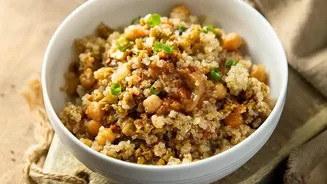
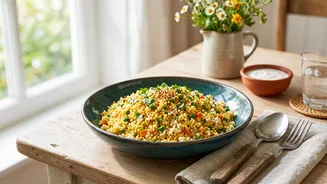
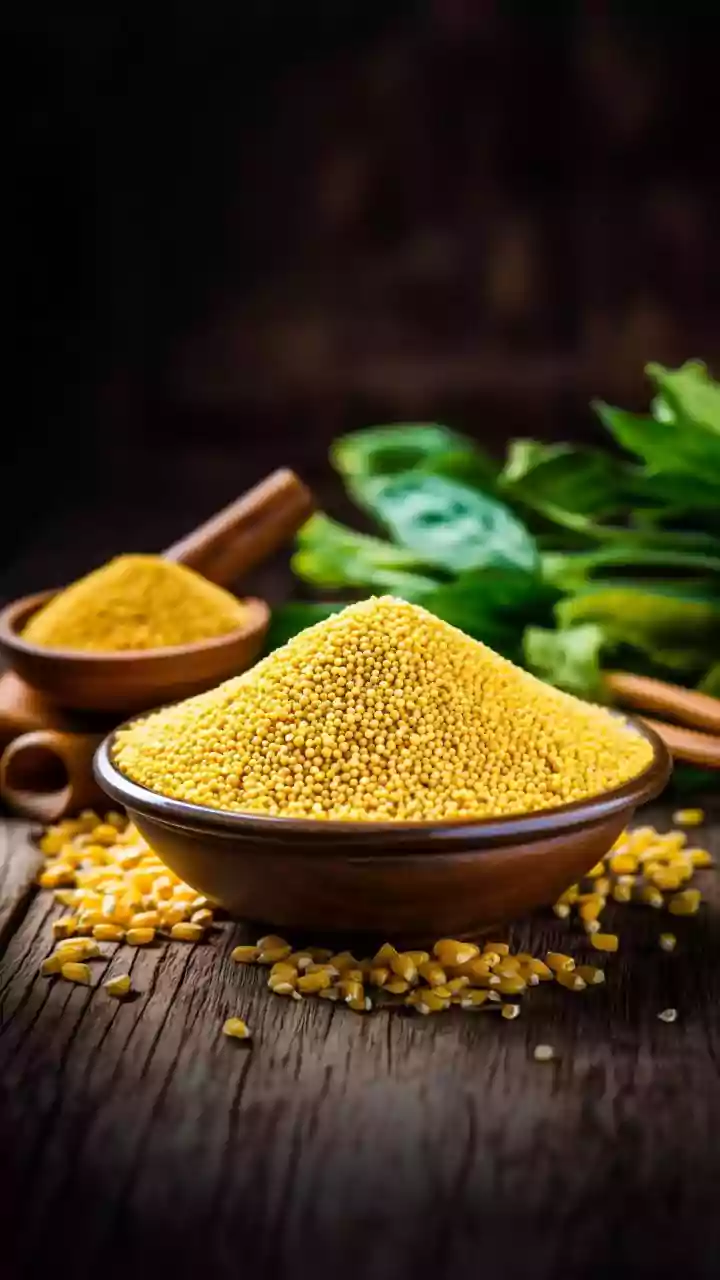
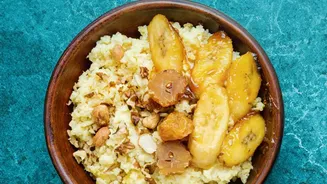
Cooking foxtail millet is simple. Think of it as a direct replacement for rice. The key is to rinse it thoroughly and soak it for at least an hour, though some sources recommend up to six hours to improve texture and digestibility. For every one cup of soaked and drained millet, use about two-and-a-half to three cups of boiling water. Add a pinch of salt, cover the pot, reduce the heat to low, and let it simmer for 15-20 minutes, or until the water is absorbed. Let it rest, covered, for ten minutes, then fluff with a fork. Its slightly nutty flavour pairs wonderfully with dal, curries, and sambar, just like rice.
Incorporating Sorghum (Jowar) into Meals
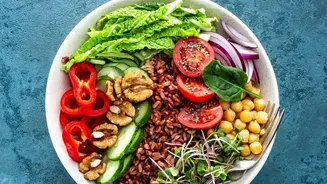
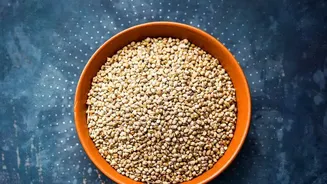
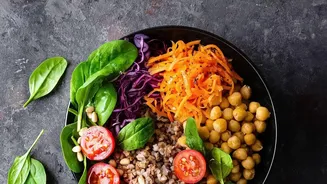
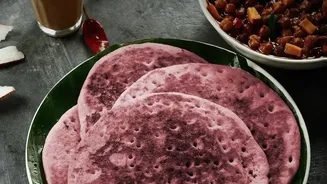
Sorghum can also be cooked as a whole grain, though it's more popularly known in India as a flour for making rotis or bhakri. To use it as a rice substitute, cook one cup of whole sorghum with three cups of water, simmering for about 50-60 minutes until tender and chewy. It has a heartier texture and earthy flavour. A simpler way to start is by using jowar flour. You can mix it with your regular wheat flour to make chapatis, or create dedicated jowar bhakris. You can also use cooked sorghum grains as a base for salads, or add them to soups and stews for extra body and nutrition.