




The Mass Entertainment Blind Spot
General entertainment—streaming services, movie tickets, and mass media—is an enormous market. Global over-the-top (OTT) revenues, for instance, climbed to over US$226 billion in 2025. These figures are staggering, but they represent a form of spending
that is often passive and diffuse. A monthly subscription fee is a low-friction, almost invisible transaction. While it accumulates into billions, the individual act of spending lacks tangible weight. It’s part of the household budget, like a utility bill. The growth in this sector is also slowing as markets mature and consumers show signs of 'subscription fatigue'. The dollars leaving traditional television are not even transferring completely to streaming; for every dollar that leaves linear TV, only about twenty-five cents is reinvested into streaming platforms. This suggests that consumer attention and wallets are being captured elsewhere.
The Boom in Tangible Experiences
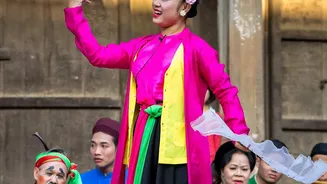
In contrast, spending on live and experiential events is not only growing but is also far more visible. The global live entertainment industry crossed $35 billion in 2025 and continues to grow, fueled by a consumer desire for physical presence and unique moments. This isn't just a post-pandemic rebound; it's a fundamental reset of consumer priorities that elevates experiences over passive consumption. In India, spending on experiences among urban consumers grew dramatically, with a significant portion directed towards learning-based activities and workshops rather than just passive entertainment. People are travelling across continents for concerts, turning them into cultural pilgrimages. This 'experience economy' is built on something streaming cannot replicate: the value of being in a specific place at a specific time, sharing a moment that happens only once.
From Passive Viewers to Active Patrons
Another major shift is the move from being a passive audience member to an active supporter. This is most evident in the creator economy. India's creator economy market was estimated at over USD 15 billion in 2026 and is projected to grow at a compound annual growth rate of 22.4% through 2033. This ecosystem includes millions of active professional creators in India, many of whom are now formalising their operations as registered businesses. Consumers are no longer just watching content; they are directly funding the creators they admire through brand partnerships, virtual gifting, and exclusive content. This spending is direct, personal, and highly visible. It’s a vote of confidence in an individual creator, not an abstract subscription to a massive library. This trend transforms fans into patrons and influencers into entrepreneurs, creating a vibrant, decentralised cultural marketplace.
The Economics of Niche Communities
Beyond big events and star creators, significant cultural spending is flowing into niche hobbies and communities. Across urban India, people are increasingly paying to join running clubs, pottery workshops, and recreational sports leagues. This spending isn't just for the activity itself; it's for the human connection and sense of belonging that is often missing in modern urban life. These hobbies, from K-pop fandom that inspires international travel for concerts and merchandise, to local craft circles, are becoming powerful economic forces. They represent a form of cultural engagement that is both social and deeply personal. While a Netflix subscription provides access to a global catalogue, joining a local board game club provides access to a community. Consumers are showing they are willing to pay a premium for the latter.
Why This Shift Matters
This reallocation of cultural spending signals a deeper change in consumer values. The shift is away from mass-produced, one-size-fits-all entertainment and toward authenticity, community, and participation. Audiences increasingly value authenticity over commercial polish, which helps individual creators build loyal micro-communities. Consumers are prioritising memorable experiences and emotional returns over simple content consumption. They are seeking identity and connection, whether in a stadium of 50,000 people or a small workshop of ten. For businesses, this trend is a critical insight. The future of the culture economy isn't just about owning the most extensive library of content, but about facilitating the most meaningful connections and creating the most memorable moments.