



Understanding Trek Difficulty
Before you pick a trail, it helps to know what makes a trek 'easy' or 'difficult'. Beginner-friendly treks generally involve shorter walking days (4-6 hours), well-defined trails, and a maximum altitude of around 12,500 feet. The altitude gain is gradual,
which helps your body acclimatise. Intermediate treks demand more stamina, with longer trekking days, higher altitudes, and potentially tricky sections that require more effort. Advanced treks are a serious undertaking, characterised by extreme cold (plunging to -20°C or lower), long distances, high altitudes, and the need for technical know-how and peak physical fitness. Always be honest about your fitness and experience to ensure you choose a trek that is rewarding, not overwhelming.
For the First-Timer: Beginner's Bliss
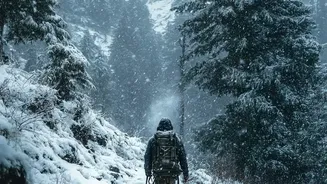
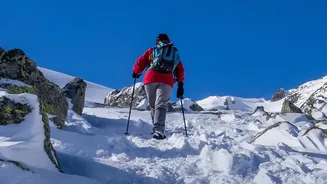
If you are new to Himalayan snow, the 2026-27 winter season offers several fantastic entry points. The Kedarkantha trek in Uttarakhand is famously called the 'Queen of Winter Treks' and for good reason. It's an easy-to-moderate trail that takes you to a proper summit of 12,500 feet over six days. The journey through snow-laden pine forests, past the frozen Juda-ka-Talab lake, and up to a 360-degree summit view is the perfect introduction to the joys of winter trekking. Another excellent choice is the Brahmatal trek, also in Uttarakhand. It’s a similar easy-to-moderate grade, reaching an altitude of about 12,250 feet. Its main attractions are the two frozen alpine lakes, Bekaltal and Brahmatal, and stunning views of mighty peaks like Mt. Trishul and Nanda Ghunti. Both treks require basic fitness but no prior technical skills, as operators provide necessary snow gear like microspikes and gaiters.
The Next Step: Intermediate Challenges
Once you have a couple of beginner treks under your belt and feel ready for more, an intermediate trail is your next goal. The Kuari Pass trek, also known as the Lord Curzon Trail, is a brilliant step up. Classified as easy-to-moderate, its winter version presents a more substantial challenge due to snow, making it a perfect intermediate option. The trek, typically lasting 5-6 days, takes you to an altitude of around 12,500 feet and rewards you with one of the most spectacular panoramic views of the Garhwal Himalayas, including India's highest peak, Nanda Devi. The trail itself is varied, taking you through rhododendron forests, snow-covered meadows, and along scenic ridges. While not technically difficult, the longer days and colder conditions, with night temperatures dropping as low as -8°C to -14°C, demand good physical conditioning and proper layering.
The Expert's Domain: Advanced Expeditions
For seasoned trekkers with significant high-altitude experience, the Chadar trek in Ladakh is the ultimate winter challenge in India. This is not a trek for the faint-hearted and is graded as difficult. The trek involves walking on the frozen surface of the Zanskar River over nine days, covering a distance of approximately 62 kilometres. The primary challenge is the extreme cold, with temperatures plummeting to between -20°C and -30°C. The altitude itself is not excessively high (around 11,123 feet), but the combination of freezing temperatures, the psychological demand of walking on a sheet of ice, and the sheer isolation makes it a formidable expedition. Prior experience in winter trekking, excellent physical fitness, and mental resilience are non-negotiable for attempting the Chadar trek. It’s an otherworldly experience, but one that requires serious preparation and respect for the harsh environment.