




More Than a Vacation, a Connection
For the modern Indian traveller, the definition of a getaway is changing. It's no longer just about ticking destinations off a list. Instead, there's a growing desire for authentic experiences that offer a deeper connection to a place and its people.
This is where cultural travel comes in, offering a vibrant alternative to the well-trodden tourist trail. Engaging with a region's unique celebrations, artisanal heritage, and culinary traditions allows you to see its identity from the inside out. These experiences are not just activities; they are living stories passed down through generations, revealing what makes each corner of India truly distinct. By choosing to explore this way, you move from being a spectator to an active participant in the cultural fabric of the nation.
The Vibrant Rhythm of Regional Festivals
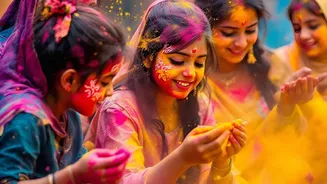
India's calendar is dotted with festivals, and while some are celebrated nationwide, regional festivals offer a concentrated dose of local identity. Take the Hornbill Festival in Nagaland, often called the 'Festival of Festivals'. Held annually in early December, it brings together all of the state's major tribes to the Kisama Heritage Village near Kohima. It’s a spectacular showcase of cultural heritage, from traditional dances and warrior displays to indigenous sports and music. Similarly, the Rann Utsav in Gujarat transforms the stark white salt desert into a cultural wonderland. This festival, typically running from November to March, is a celebration of Kutch's unique culture, featuring folk music, dance performances like Garba, and numerous craft exhibitions set against the stunning backdrop of the moonlit Rann. Attending these events offers a window into the soul of a community, revealing its history, values, and collective spirit.
Artisanal Trails and Living Crafts
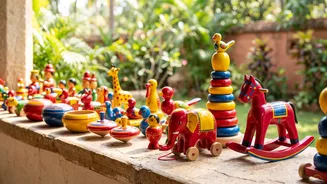
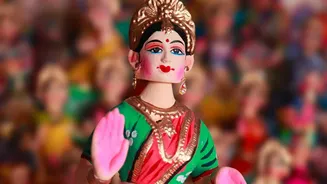
Beyond the energy of festivals, the quiet, skilled hands of artisans tell another story of regional identity. India has a rich tradition of craft villages where art is not just a product but a way of life. A prime example is Raghurajpur in Odisha, India’s first designated heritage crafts village. Just a short drive from Puri, this village is home to a community of artists who specialize in Pattachitra, an ancient form of scroll painting on cloth or palm leaves. Walking through Raghurajpur, you'll see houses with walls adorned with murals, and artists demonstrating their meticulous work, which often depicts mythological stories. The craft has been passed down for generations and is central to the village's identity. Visiting such communities not only supports local artisans but provides a hands-on understanding of the history and aesthetics that define a region.
A Taste of Place and Tradition
Food is perhaps the most accessible and delicious way to connect with local culture. The cuisine of a region is shaped by its geography, climate, and history. In Kerala, the 'Land of Spices', the food is a direct reflection of its coastal landscape and agricultural bounty. Coconut, rice, fresh seafood, and an array of spices like black pepper and cardamom are foundational. Experiencing a traditional 'Sadhya' is a must for any visitor. This is a vegetarian feast served on a banana leaf, featuring numerous small dishes that create a perfect balance of flavours. It's a meal deeply rooted in tradition, especially during festivals like Onam. From the spicy fish curries along the backwaters to the simple but comforting combination of 'Kappa' (tapioca) and fish curry, every dish tells a story of the land and its people.