





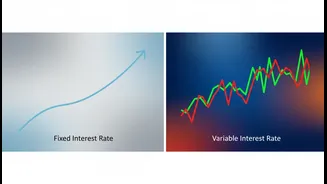



Why Your Loan Rate Isn't Fixed
Most education loans in India come with a floating interest rate, not a fixed one. This means the rate you pay isn't locked in for the entire loan tenure. Instead, it's linked to a benchmark rate set by the lender, which is influenced by the Reserve Bank
of India's (RBI) policies. When the RBI adjusts its key policy rate, known as the repo rate, to manage inflation or stimulate economic growth, banks often pass these changes on to their customers. Recent data shows that after a period of stability, inflation is once again a concern, which could lead the RBI to adjust rates. This direct link means that macroeconomic shifts can, and do, affect your personal monthly budget.
Understanding Floating vs. Fixed Rates
It's crucial to know what kind of loan you have. A fixed interest rate remains the same for the entire repayment period, offering predictable EMIs. A floating rate, however, fluctuates with market conditions. While floating rates are often lower at the start of a loan, they carry the risk of increasing over time. If inflation rises, the RBI might increase the repo rate to control it, causing banks to raise their lending rates. For borrowers with floating rate loans, this means their EMIs could go up, increasing the total interest paid over the life of the loan. Conversely, if rates fall, your EMI could decrease.
How a Small Rate Change Impacts Your EMI
Even a seemingly small increase in your interest rate can have a significant long-term impact. For example, on a Rs 20 lakh loan with a 10-year tenure, an increase from 10% to 11% interest may only seem like a single percentage point, but it translates into a higher Equated Monthly Instalment (EMI) and a substantial increase in the total interest you pay over the years. This can amount to lakhs of rupees in extra cost over the full term of the loan. Using an online EMI calculator can help you visualize how different rate scenarios would affect your monthly payments and overall financial planning.
Proactive Steps to Prepare Now
Instead of waiting for rates to change, you can take control of your loan now. First, review your loan agreement to confirm if your rate is fixed or floating. If it's floating, start tracking economic news and RBI policy announcements. Building an emergency fund is also a wise move; it provides a buffer if your EMIs increase unexpectedly. Another powerful strategy is making partial prepayments. Any extra amount you pay towards the principal reduces the total interest burden and can shorten your loan tenure, saving you a significant amount of money regardless of rate fluctuations.
Is Refinancing a Good Option?
Refinancing involves taking out a new loan to pay off your existing one, ideally at a lower interest rate or with better terms. This can be an excellent strategy, especially if your credit profile has improved since you first took the loan or if other lenders are offering more competitive rates. Securing a stable job after graduation often makes you eligible for better loan terms. However, it's important to do the maths carefully. Consider any processing fees or prepayment penalties on your existing loan, and ensure the new loan's total cost is genuinely lower. The goal is to either reduce your EMI, shorten your tenure, or switch from a floating to a more predictable fixed rate.