






How a Hydrogen Train Actually Works
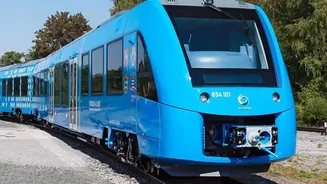
Unlike a diesel engine that burns fuel, a hydrogen train is essentially an electric train that generates its own power onboard. High-pressure hydrogen is stored in tanks, often on the roof, and fed into a fuel cell stack. Inside the fuel cell, the hydrogen reacts
with oxygen taken from the air. This electrochemical reaction produces electricity to power the motors, with the only direct emission being water vapour. Any excess energy generated, for instance during braking, can be stored in onboard batteries to provide a power boost during acceleration, making the system highly efficient. This process eliminates the noise and fumes associated with diesel locomotives.
India's First Step: The Jind-Sonipat Pilot
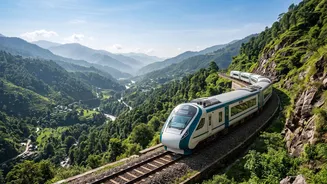
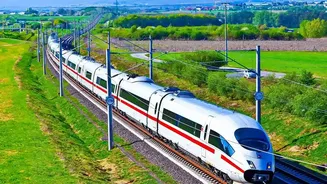
This is not just a theoretical concept; it's already happening on Indian tracks. In July 2026, India launched its first indigenously built hydrogen-powered passenger train on the Jind-Sonipat section in Haryana. The ten-coach train, inaugurated as the 'NaMo Green Rail', demonstrated the feasibility of the technology in Indian conditions. Developed as a pilot project, it includes not just the train but also the necessary hydrogen storage and refuelling infrastructure at Jind, creating a complete ecosystem to test the operational dynamics. This successful trial marks India's entry into a select group of countries, including Germany, China, and Japan, that are actively testing hydrogen rail technology.
The Compelling Case for Clean Air
The most significant advantage of hydrogen locomotives is their environmental impact, or lack thereof. With zero tailpipe emissions, they are a powerful tool in the fight against air pollution. Diesel trains, while essential, release carbon dioxide, nitrogen oxides, and harmful particulate matter. Hydrogen trains eliminate these pollutants at the point of use, which is particularly beneficial for routes that run through populous areas and ecologically sensitive regions. While Indian Railways has made incredible strides in electrifying its broad-gauge network, hydrogen offers a clean alternative for routes where electrification is technically or financially impractical, such as heritage and hill railways.
Aligning with National Goals
The push for hydrogen trains aligns perfectly with India's broader strategic objectives. It directly supports the National Green Hydrogen Mission, which aims to make India a global hub for the production and export of green hydrogen. By creating domestic demand in a high-visibility sector like railways, the government can stimulate the entire green hydrogen ecosystem, from electrolyser manufacturing to building a robust supply chain. Furthermore, it enhances India's energy security by reducing dependence on imported diesel fuel. The 'Hydrogen for Heritage' initiative, which plans to introduce 35 hydrogen trains on iconic routes, serves as a powerful symbol of this commitment while boosting sustainable tourism.
Real-World Hurdles on the Track Ahead
Despite the immense potential, the journey towards a hydrogen-powered railway network is filled with challenges. The primary obstacle is cost. Currently, green hydrogen—produced using renewable energy—is significantly more expensive than diesel. The initial capital investment for retrofitting trains and building a nationwide network of production plants, storage facilities, and refuelling stations is also substantial. Safety is another critical consideration, as hydrogen is highly flammable and requires stringent handling protocols and advanced leak detection systems. India also currently depends on imported components for fuel cells, highlighting the need to develop indigenous manufacturing capabilities to make the technology truly self-reliant and scalable.