






A Modern Twist on an Ancient Habit
For generations, chewing a betel leaf (paan) after eating has been a cultural staple across India. While often associated with less healthy additions like areca nut (supari) and tobacco, the leaf itself is a powerhouse of beneficial compounds. The latest
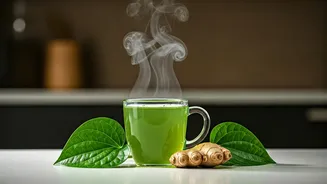
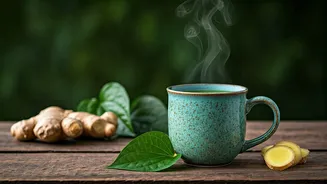
wellness trend strips away the harmful extras and combines the pure essence of betel leaf with another celebrated health drink: green tea. The result is a fragrant, soothing brew that aims to capture the digestive benefits of both ingredients in one simple, healthy cup. This fusion drink is gaining attention as a gentle, natural way to combat bloating, indigestion, and that all-too-familiar feeling of post-meal heaviness.
The Digestive Power of Betel Leaf
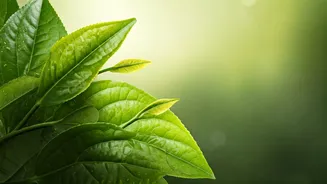
So, what’s the magic in the leaf? Betel leaves (*Piper betle*) are traditionally known to stimulate the production of digestive juices and enzymes, which helps break down food more efficiently. They possess strong carminative properties, meaning they can help prevent the formation of gas in the gastrointestinal tract and facilitate its expulsion, providing relief from flatulence and bloating. Furthermore, studies suggest betel leaf extract has antimicrobial properties that can help maintain a healthy balance of gut flora. The act of chewing the leaf (or in this case, drinking its infusion) also stimulates the release of saliva, the first step in the digestive process. By isolating the leaf from harmful additives, you can tap into these benefits without the associated health risks of traditional paan.
The Well-Known Benefits of Green Tea
Green tea needs little introduction as a health elixir. It is packed with powerful antioxidants called catechins, most notably epigallocatechin gallate (EGCG). These compounds are celebrated for their ability to fight inflammation and protect cells from damage. When it comes to digestion, green tea can play a supportive role. It has been shown to improve gut health by promoting the growth of beneficial bacteria and inhibiting harmful ones. Some studies also suggest that the catechins in green tea can enhance the activity of certain digestive enzymes, like pepsin, which helps digest proteins. Its gentle thermogenic effect can also give your metabolism a slight boost, making it a popular choice for weight management and overall wellness.
Better Together: A Synergistic Brew
Combining betel leaf and green tea isn’t just about mixing two good things; it’s about potential synergy. While the betel leaf works to stimulate digestive secretions and ease gas, the green tea provides a calming, anti-inflammatory backdrop and supports long-term gut health. The fresh, peppery, and slightly bitter notes of the betel leaf are beautifully balanced by the earthy, grassy flavour of green tea, creating a surprisingly pleasant beverage. This combination offers a holistic approach: immediate relief from discomfort from the betel leaf, and sustained gut support from the green tea. It transforms the ritual of a post-meal digestive into a modern, sophisticated wellness practice.
Your Simple Home Recipe
Ready to try this digestive saviour? Making it at home is incredibly simple. You don’t need any fancy equipment, just fresh ingredients. **Ingredients:** - 1-2 fresh, tender betel leaves (make sure they are washed thoroughly) - 1 green tea bag or 1 teaspoon of loose-leaf green tea - 1.5 cups of hot water - Optional: A few drops of honey or lemon for taste **Instructions:** 1. Start by gently tearing the betel leaves into smaller pieces. This helps release their essential oils and compounds into the water. 2. Place the torn betel leaves and the green tea bag (or leaves) into a mug or teapot. 3. Boil the water and let it cool for a minute. Pouring boiling water directly onto green tea can make it bitter. The ideal temperature is around 80-85°C. 4. Pour the hot water over the leaves and let it steep for 3-4 minutes. Steeping for too long can also result in a bitter taste. 5. Strain the tea into a cup. If you used a tea bag, simply remove it along with the betel leaf pieces. 6. Add a little honey or a squeeze of lemon if desired, stir, and enjoy your soothing brew, preferably warm, about 20-30 minutes after a meal.
A Word of Caution
While this drink is natural, moderation is key. It’s best to start with one cup a day to see how your body reacts. Always use fresh, clean betel leaves and ensure they are just the leaves—no areca nut, slaked lime (chuna), or tobacco. Pregnant or breastfeeding women, and individuals with specific medical conditions, should consult their doctor before adding any new herbal remedy to their diet. This tea is a supportive measure for everyday digestive wellness, not a cure for chronic gastrointestinal diseases.