
The Magic of a Single Pan
The appeal of a one-pan dinner is simple: all your ingredients cook together in a single vessel, whether it's a sheet pan, skillet, or pot. This method is exceptionally well-suited for plant-forward eating, which emphasizes vegetables, legumes, and whole
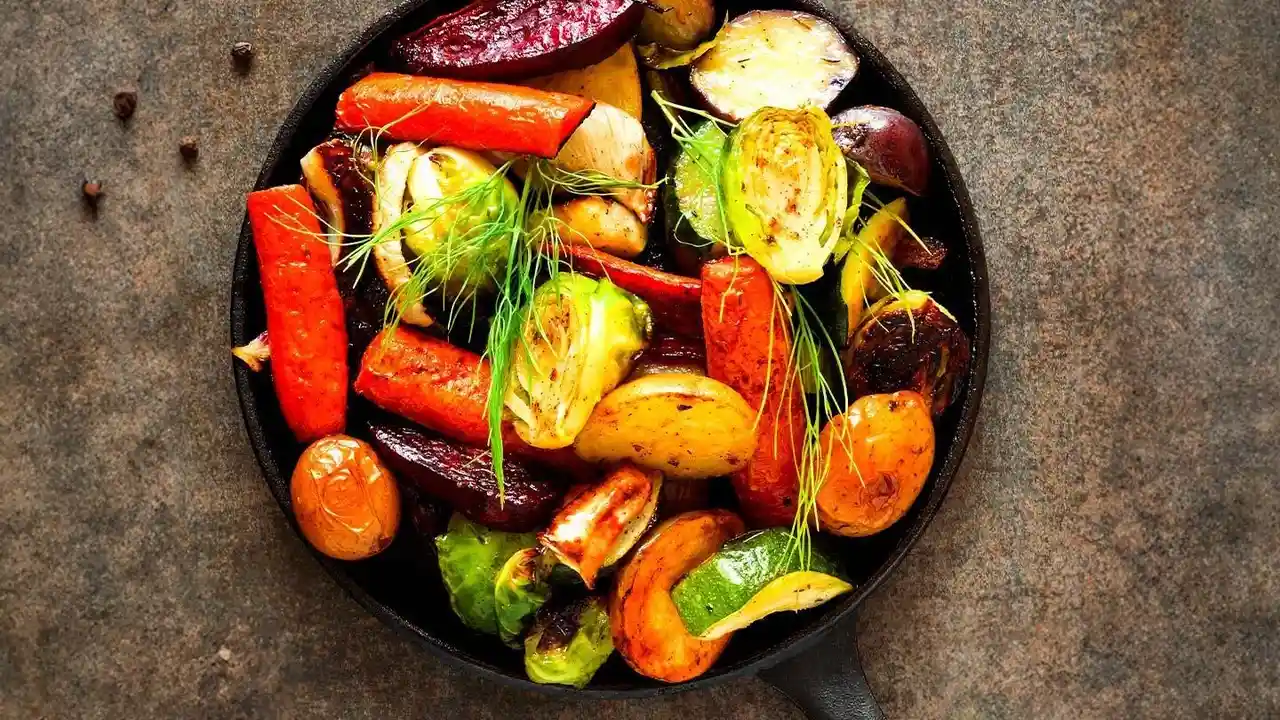
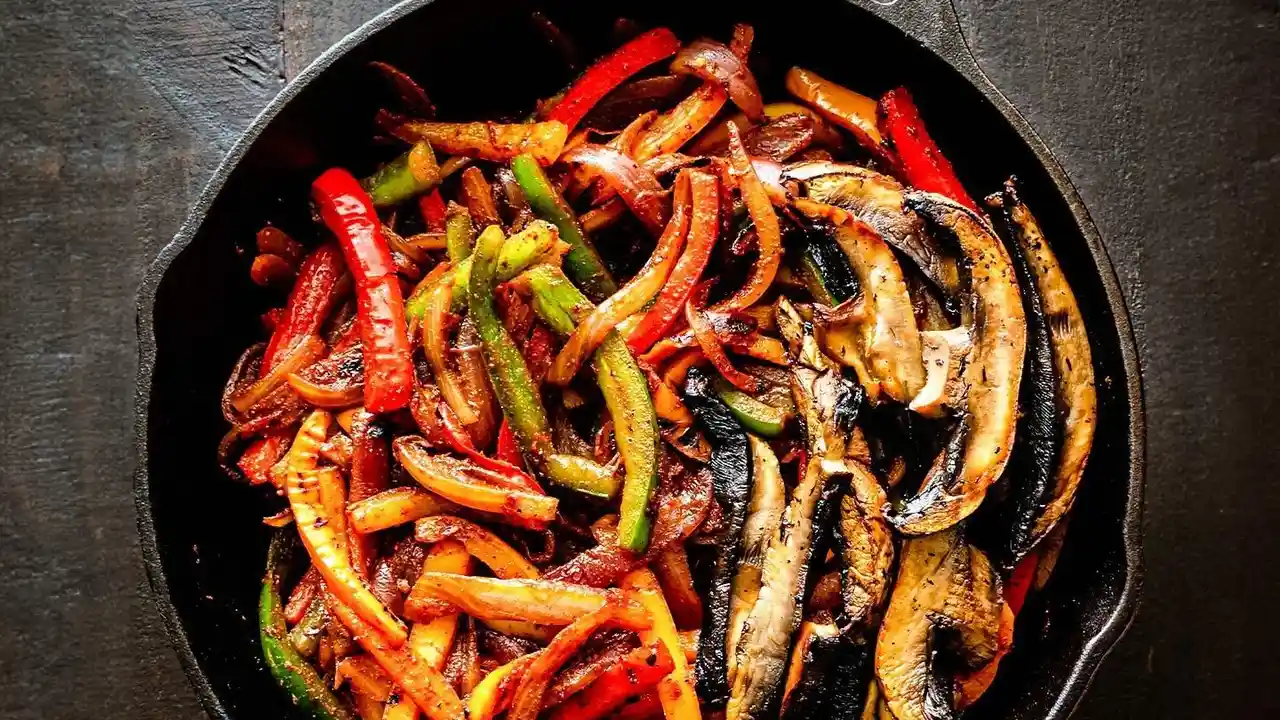
grains. Roasting vegetables at high heat caramelizes their natural sugars, creating deep, concentrated flavour that can turn humble produce into a satisfying main course. For proteins like tofu, chickpeas, or lentils, the single pan allows them to absorb all the seasonings and juices from the surrounding vegetables, making every bite flavourful. The result is a cohesive, nutrient-dense meal with significantly less cleanup, a major victory for any busy weeknight.
Mastering the Sheet Pan
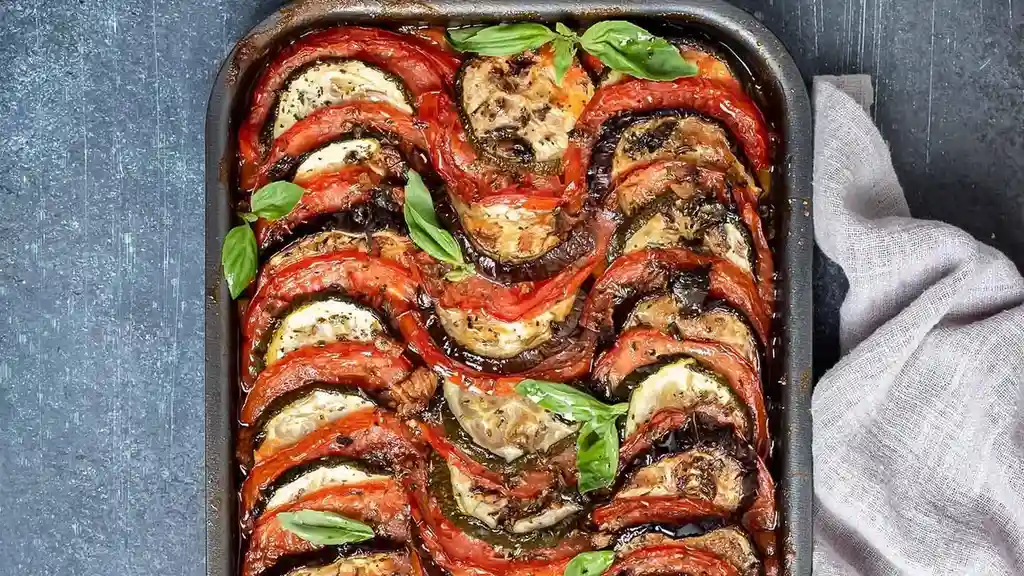
The sheet pan is the undisputed hero of one-pan cooking. To achieve perfectly roasted, non-soggy vegetables, a few key techniques are essential. First, don't overcrowd the pan. Ingredients need space to roast, not steam; if they are packed too tightly, they will become soft and mushy. If necessary, use two sheet pans. Second, cut ingredients strategically. Hardier vegetables like potatoes and carrots need to be cut into smaller pieces than quick-cooking ones like bell peppers or zucchini. Alternatively, you can add ingredients in stages, starting with those that require longer cooking times. Finally, using parchment paper or foil not only prevents sticking but makes cleanup almost nonexistent.
Building a Balanced Plant-Forward Meal
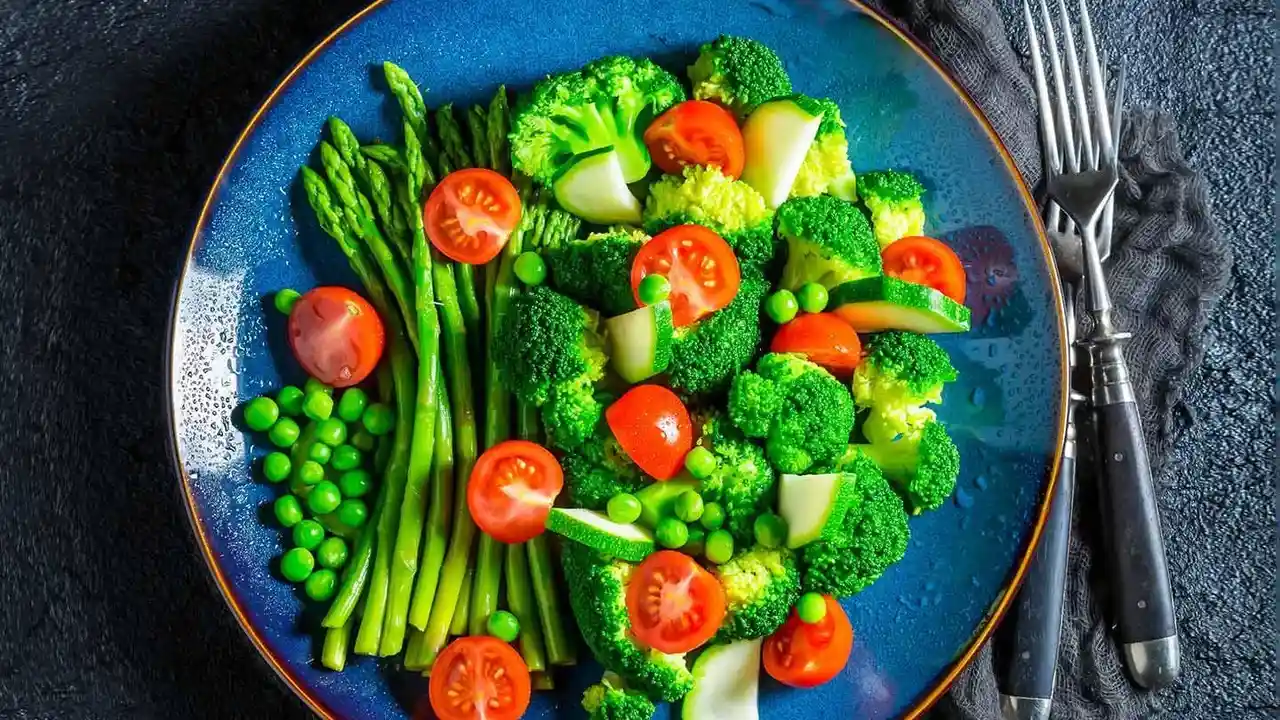
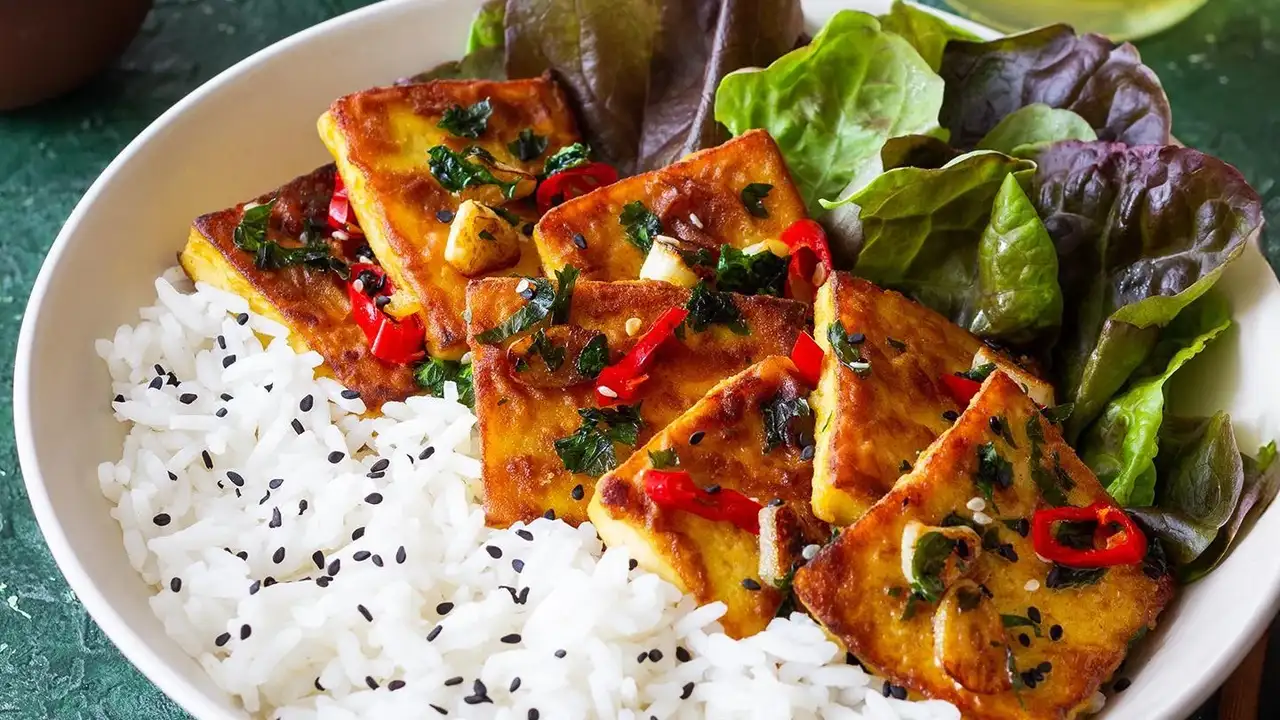
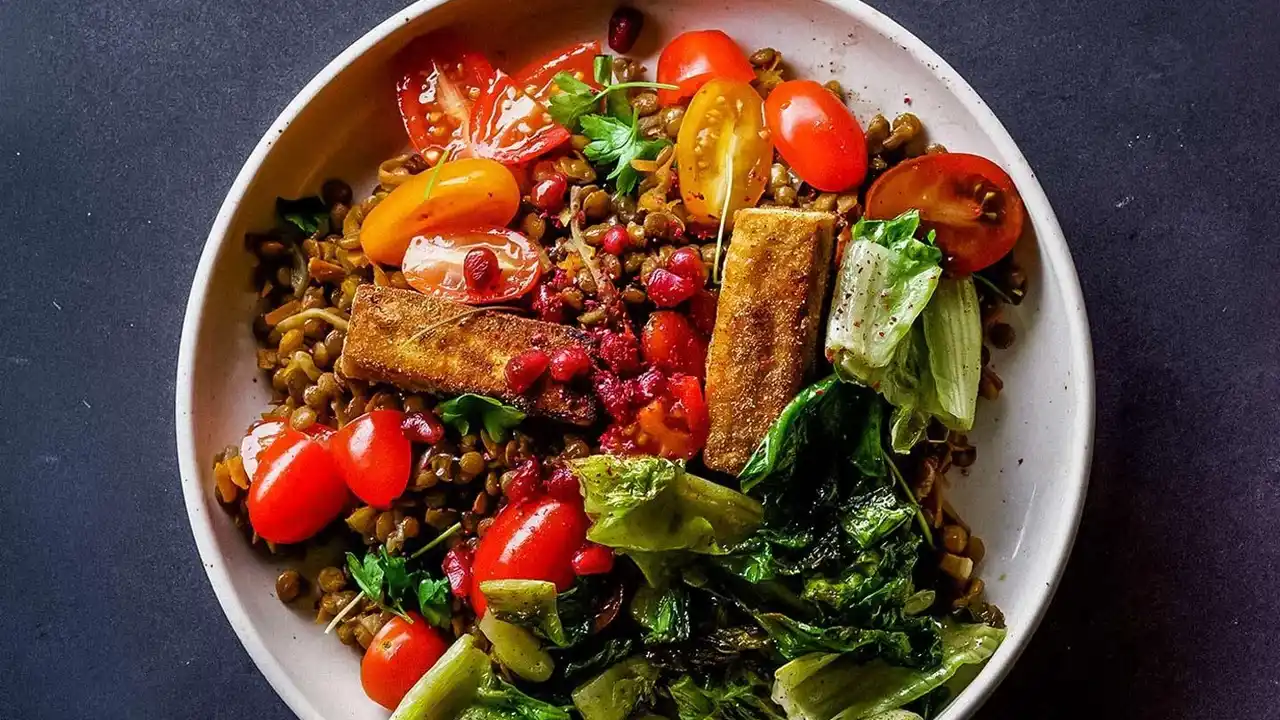
A successful one-pan meal is more than just a random assortment of vegetables; it's a balanced dish. Start with a foundation of hearty, colourful vegetables. Think broccoli, cauliflower, sweet potatoes, bell peppers, and red onions. Next, add a plant-based protein. Cubed extra-firm tofu, rinsed chickpeas, or pre-cooked lentils are all excellent choices that roast well. To make the meal more filling, you can include grains. Quinoa can sometimes be cooked directly in a skillet meal with enough broth, while other grains like farro or rice are best cooked separately and served alongside. A generous drizzle of a high-smoke-point oil, like avocado or coconut oil, is crucial for getting that desirable crispy texture without burning.
Flavour is Everything
With plant-based cooking, seasoning is paramount. Don't be shy with herbs and spices. A simple combination of garlic powder, onion powder, smoked paprika, and dried oregano can elevate any vegetable. For best results, toss your vegetables and protein with oil and seasonings in a large bowl before spreading them on the pan to ensure an even coating. To finish the dish and add a layer of freshness, a final flourish of flavour makes all the difference. A squeeze of fresh lemon juice, a drizzle of balsamic glaze, or a sprinkle of fresh herbs like parsley or cilantro after the pan comes out of the oven can brighten the entire meal and bring all the roasted flavours together.
Beyond the Sheet Pan
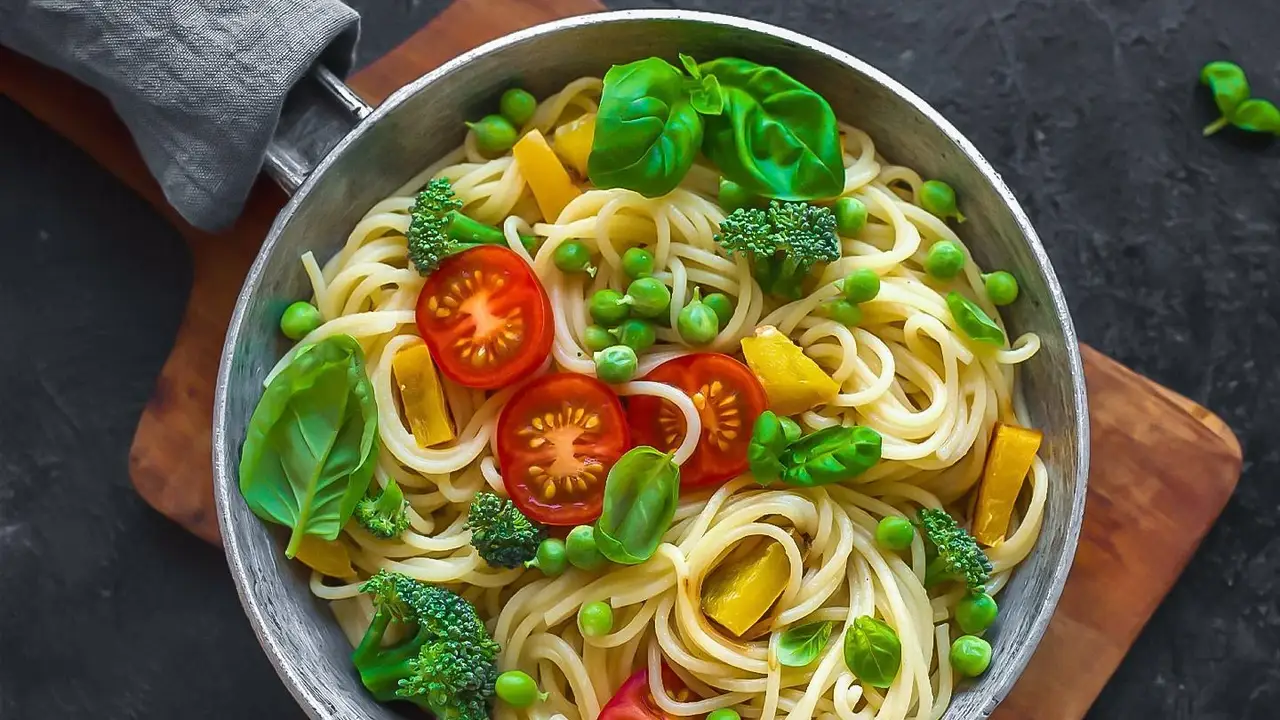
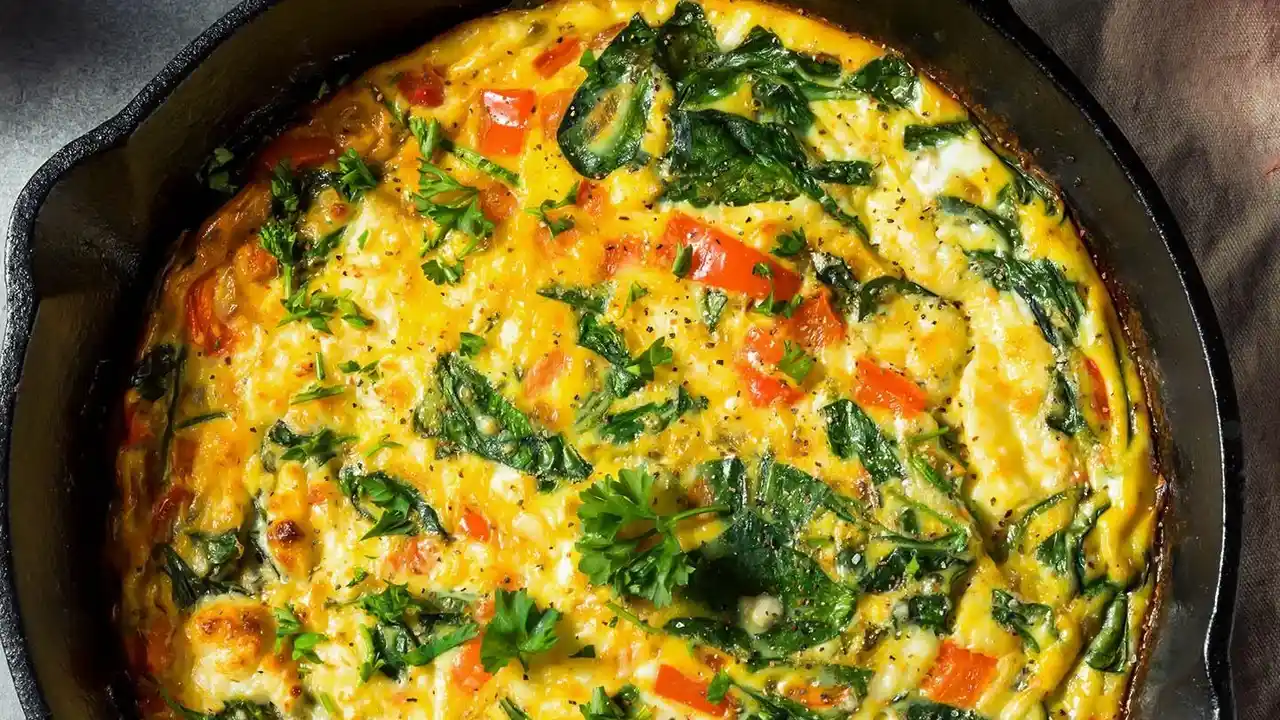
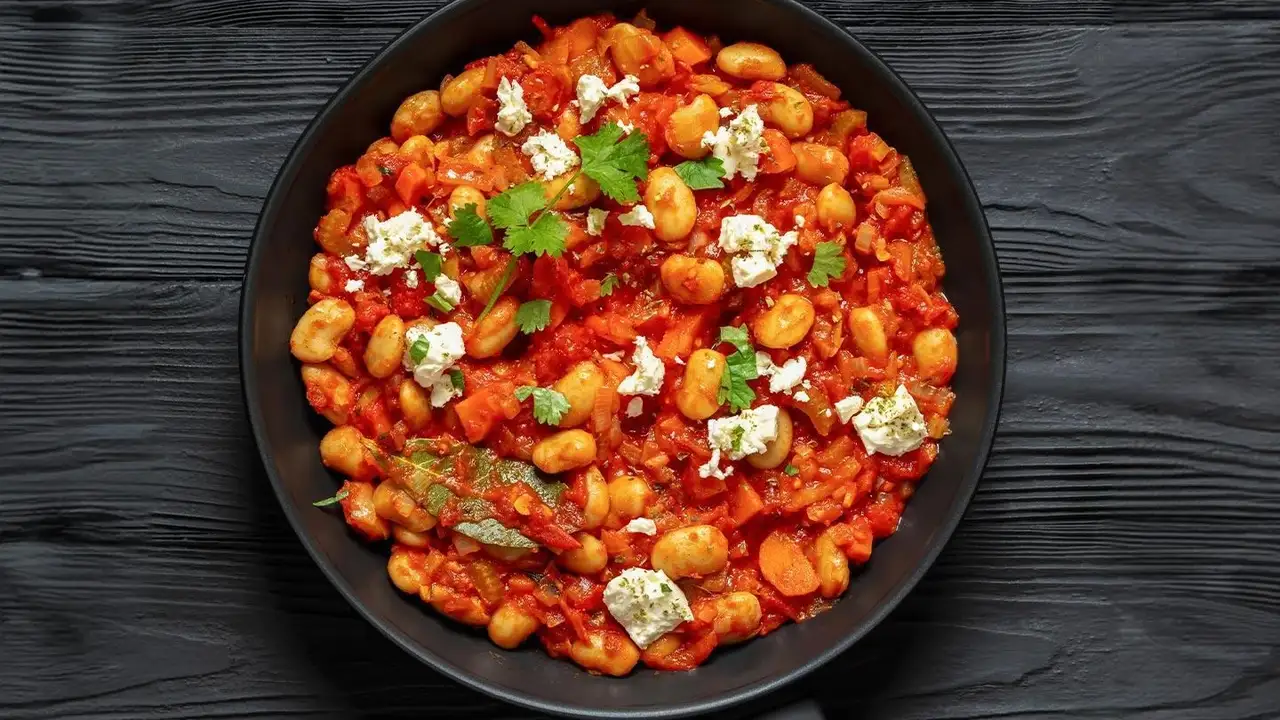
While sheet pans are fantastic, they aren't the only option for one-pan wonders. A large skillet or Dutch oven opens up a world of possibilities for plant-forward pastas, curries, and stews. You can sauté onions and garlic, toast spices, and then add vegetables, legumes, and liquids to simmer into a rich and cohesive meal. Think of a lentil taco skillet, a creamy white bean and spinach pasta, or a coconut mung bean stew. The principle remains the same: building layers of flavour in a single pot, which simplifies the cooking process and minimizes the mess. These types of one-pot meals are perfect for making large batches for meal prep, ensuring you have healthy, delicious food ready for the week.