
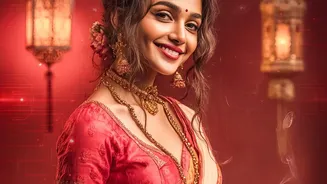

The pressure is on. With wedding season in full swing, the desire for a standout outfit is real. But in the race for the latest trend, are we choosing wisely? It's time to argue for the timeless elegance of classic weaves over fleeting, heavy embroideries.
The Allure of the 'One-Wear' Wonder
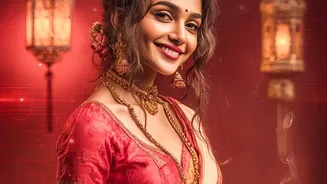
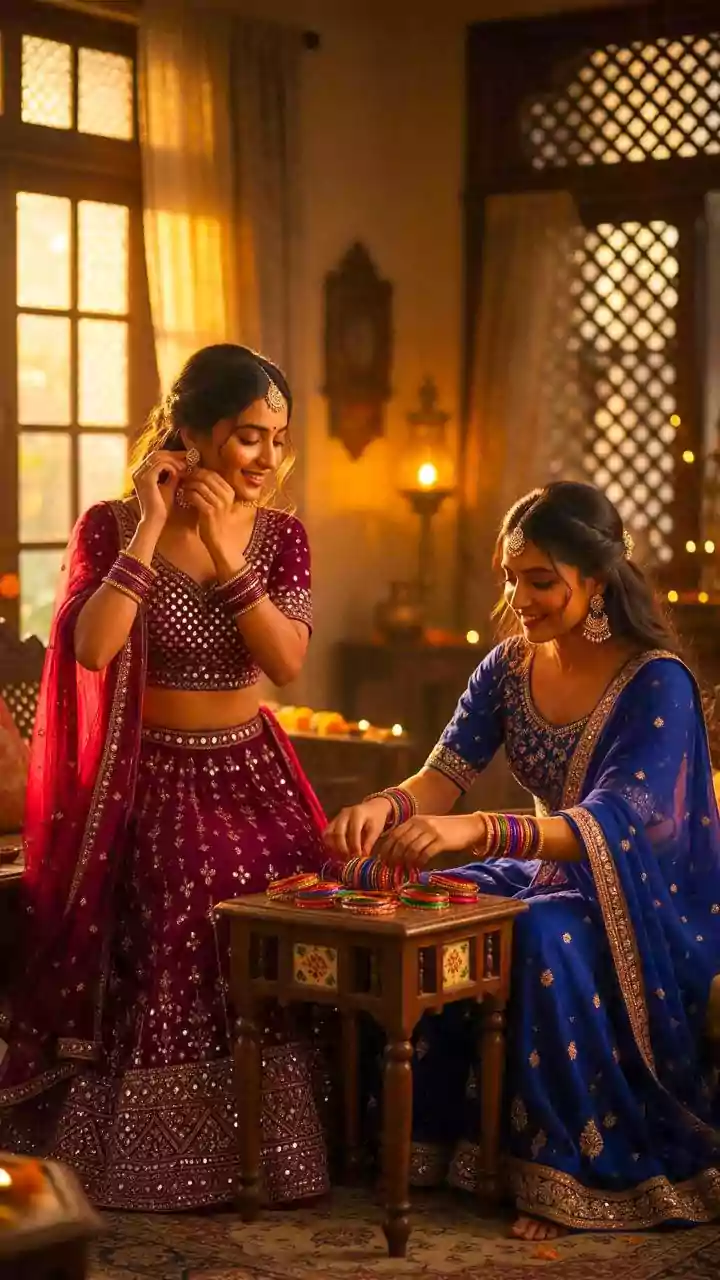
Scroll through social media during wedding season, and you'll be flooded with images of spectacular, heavily embroidered lehengas and gowns. These pieces are undeniably eye-catching, featuring intricate layers of sequins, crystals, and elaborate threadwork that sparkle under the lights. Their appeal is obvious: they feel new, dramatic, and exclusive. For a few hours, they make the wearer feel like the star of the show. This desire for novelty is powerful, driving a multi-million rupee industry focused on producing trend-heavy occasionwear. Designers release new collections each season, and the pressure to be seen in the 'latest' style is immense. The result is a cycle of purchasing elaborate, expensive outfits that are often defined by a very specific, of-the-moment trend.
The Hidden Cost of Heavy Trends
The problem with these trend-focused, heavily embellished garments is what happens after the event. Many are what can be called 'one-wear wonders'. Their distinct, often dramatic designs make them instantly recognisable, leading to a reluctance to wear them again. More importantly, these outfits come with significant hidden costs. The production of synthetic fabrics and intricate, non-biodegradable embellishments carries a heavy environmental price. The fast-fashion model has infiltrated even the luxury wedding market, creating a culture of disposability for what should be investment pieces. A bridal lehenga laden with embroidery can cost anywhere from ₹15,000 to well over ₹5,00,000. When that outfit is worn only once, the cost-per-wear is astronomical. The very trends that make them desirable also ensure they date quickly, destined to languish in a closet, a beautiful but impractical relic of a single day.
Enter the Enduring Elegance of Weaves
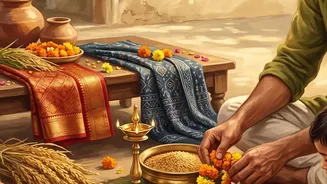
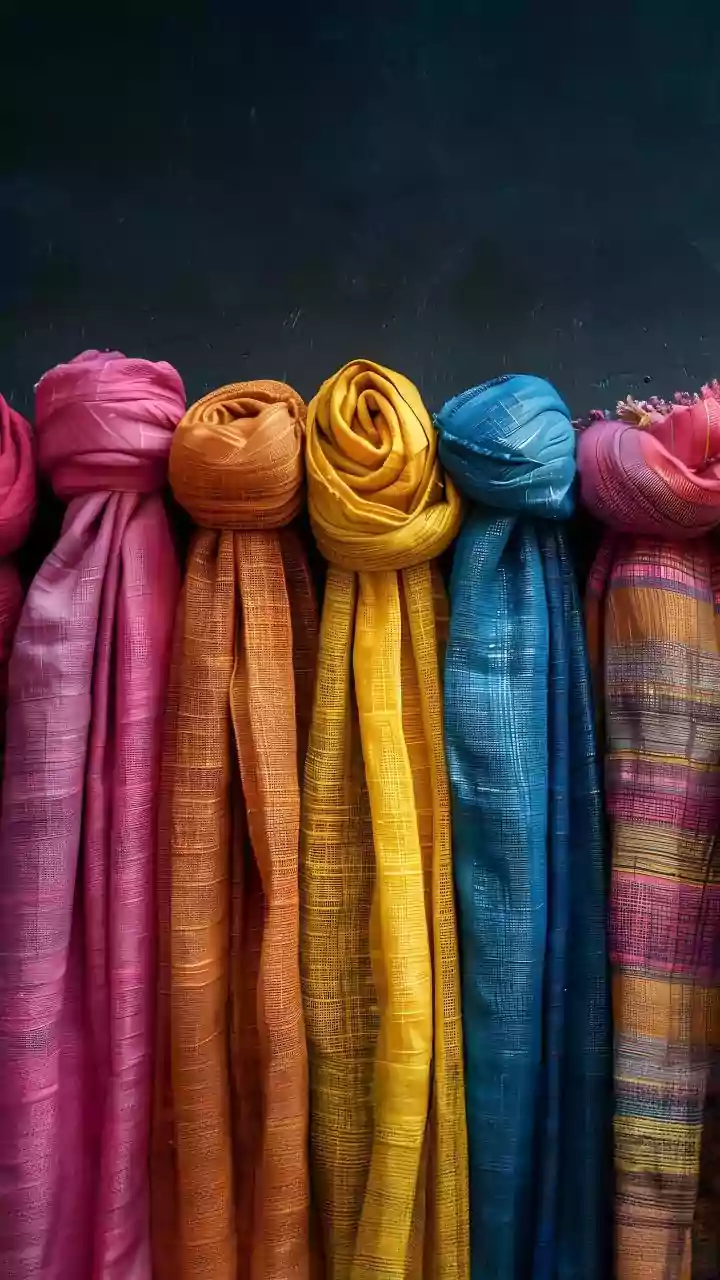
Now, consider the alternative: classic, handwoven textiles. Fabrics like Banarasi silk, Kanjeevaram, Chanderi, and Patola are the backbone of India's textile heritage. A handloom Banarasi, for instance, is not just a piece of clothing; it's a piece of art woven by skilled artisans over weeks or even months. Unlike heavy surface embroidery that can look dated, the beauty of these fabrics is in the weave itself—the lustre of the silk, the intricacy of the brocade, and the richness of the colour. These textiles tell a story of craft and culture. A Kanjeevaram saree from South India or a Banarasi from the North are not just wedding outfits; they are heirlooms, passed down through generations. Their value is not in being trendy, but in being timeless.
The Ultimate Trend: Versatility
The true strength of a classic weave lies in its versatility. While a heavy lehenga is often a single, unchangeable silhouette, a handloom saree is a canvas. The same Banarasi saree can be styled in dozens of ways. For a wedding, you might pair it with a traditional brocade blouse and heavy jewellery. For a festive dinner years later, you could team it with a contemporary corset top or a simple silk shirt and a minimalist belt. The fabric itself remains the star. This concept of rewearability is gaining traction as more people embrace sustainable fashion. A classic weave is a 'buy fewer, wear more' philosophy in action. It can be re-draped, paired with different blouses, or even transformed into other garments like kurtas or skirts for a second life.
A Smarter Investment for Your Wardrobe
From a purely financial perspective, choosing a classic weave is a more intelligent investment. A good quality, handwoven Banarasi or Kanjeevaram saree may have an initial cost comparable to a mid-range designer lehenga, often falling in the ₹25,000 to ₹1,50 enough range for bridal quality. However, its potential for reuse dramatically lowers the cost-per wear over time. An outfit that can be worn for a decade or more across various occasions provides far greater value than an expensive, trend specific piece worn once or twice. By investing in handloom you are not just buying an outfit you are acquiring a piece of heritage craftsmanship that supports artisan communities and holds its value and style for years to come.