
Food often tells a story that transcends politics, connecting us to family, heritage, and memory. Through Sonia Gandhi’s recollection of a festive sweet rice, we find a unique entry point into the rich culinary world of Kashmiri cuisine.
A Memory of Festive Feasts
In a recent conversation
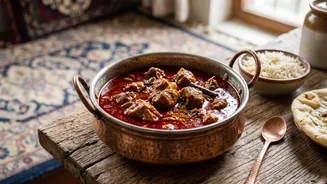
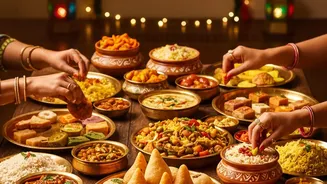
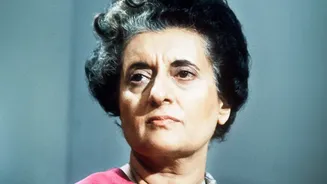
about Diwali traditions, Congress leader Sonia Gandhi reminisced about the festive meals at her late mother-in-law Indira Gandhi’s home. She recalled that on special occasions, the family would always have Kashmiri food, including a particular sweet rice dish. "On festivals we always used to have Kashmiri food and that sweet rice... which we still make, by the way," she noted, sitting alongside her daughter Priyanka Gandhi Vadra. This anecdote highlights a tradition that has been preserved for decades, a culinary thread connecting generations of the Nehru-Gandhi family to their Kashmiri Pandit roots. While Sonia Gandhi has openly spoken about her initial struggle to adapt to the spice and variety of Indian food after moving from Italy, her fondness for specific dishes like Kashmiri kofta, haakh, and this festive sweet rice illustrates a journey of cultural belonging told one meal at a time.
What Exactly Is Modur Pulav?
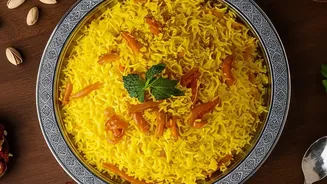
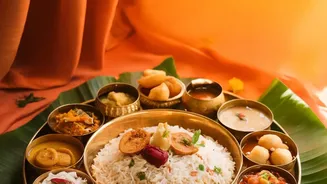
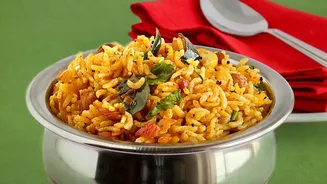
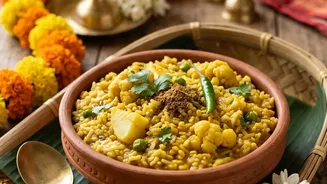
The sweet rice Sonia Gandhi referred to is widely believed to be Modur Pulav, a cornerstone of Kashmiri celebrations. The word 'modur' simply means 'sweet' in the Kashmiri language. Unlike the savoury pulaos common across India, this dish occupies a delightful space between a main course and a dessert. It is made with fragrant basmati rice, which acts as a canvas for a host of luxurious ingredients. The rice is cooked with sugar, ghee, and whole spices like cinnamon and cardamom that impart a warm aroma. Its signature golden-yellow hue comes from a generous infusion of saffron, the prized spice of the Kashmir valley. The dish is then lavishly garnished with nuts and dried fruits like almonds, cashews, and raisins, fried in ghee until fragrant.
A Dish Steeped in Tradition
Modur Pulav is more than just a sweet dish; it is an integral part of Kashmiri Pandit cuisine, prepared for festivals and special ceremonies. The cuisine of Kashmiri Pandits is distinct, often using asafoetida (hing) instead of onion and garlic, and relying on key spices like fennel and dried ginger powder. This pulao is a fixture at celebrations, including weddings and festivals like Shivratri. Its presence on the dining table signifies abundance, hospitality, and joy. The Nehru family's Kashmiri Pandit heritage explains why such a dish would be a staple during their family festivities, a taste of their ancestral home preserved in the heart of New Delhi. For a community where sweets are not overwhelmingly common, the cherished status of Modur Pulav underscores its importance.
Food as a Keeper of Legacy
Sonia Gandhi's memory does more than just shine a light on a delicious dish. It speaks to the power of food to act as a vessel for cultural identity and family history. While Indira Gandhi was not known for her cooking skills, she had a sharp sense of taste and knew exactly how to improve a dish, ensuring the household's culinary standards remained high. The tradition of preparing Modur Pulav was passed down through the family, becoming a non-negotiable part of their festive celebrations. The fact that the family continues to make the sweet rice today shows how recipes can become living heirlooms. They carry stories of love, of belonging, and of the people who gathered around the table, ensuring that the essence of a family's heritage endures long after the meal is over.