







An Escape into Authenticity
There's a growing desire among travellers to experience a place, not just visit it. While luxury hotels offer standardised comfort, they can sometimes feel disconnected from their surroundings. Plantation stays, in contrast, are deeply rooted in Coorg's
identity. Many are family-owned homes or heritage bungalows set within working coffee estates. This setting offers an unfiltered glimpse into the life, culture, and history of the Kodava people. Instead of a check-in desk and a formal lobby, guests are often welcomed into a home, sharing stories with hosts whose families may have cultivated coffee for generations. This trade-off—swapping impersonal efficiency for genuine connection—is at the heart of the trend. Travellers are no longer content to be observers; they want to be participants.
Immersed in Nature's Monsoon Theatre
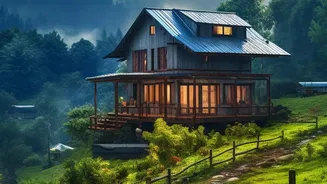
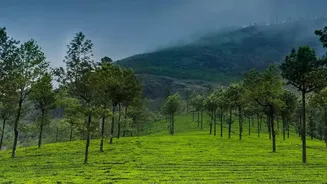
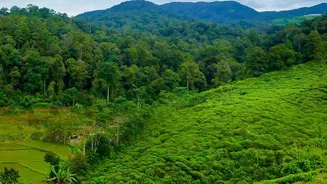
The monsoon is when Coorg is arguably at its most dramatic and beautiful. The landscape erupts in shades of impossible green, waterfalls thunder back to life, and low-hanging clouds turn the valleys into a surreal dreamscape. A luxury hotel might offer a great view of this spectacle from a window, but a plantation stay puts you in the middle of it. Waking up to the sound of rain tapping on the roof, surrounded by acres of coffee plants glistening with water, is an experience that standardized hospitality cannot replicate. Guests can walk trails that wind through the estate, smell the fragrance of rain-soaked soil and coffee blossoms, and witness the ecosystem's vibrant activity firsthand—from colourful birds to butterflies. It’s a multi-sensory immersion that becomes the holiday itself.
The Allure of Kodava Cuisine
One of the most celebrated aspects of a plantation homestay is the food. Unlike the multi-cuisine buffets of large hotels, these stays offer a journey into the heart of authentic Kodava cuisine. Meals are often prepared by the hosts themselves, using family recipes and fresh, local ingredients, some sourced directly from the estate's own gardens. Dishes like Pandi Curry (Coorgi pork curry), Kadambuttu (steamed rice dumplings), and bamboo shoot preparations offer a distinct and memorable taste of the region. This isn't just dining; it's an intimate cultural exchange, where food tells the story of the land and its people. The experience of sharing a home-cooked meal fosters a sense of warmth and belonging that a formal restaurant rarely can.
A Slower, More Mindful Pace
The very architecture of a luxury hotel is often designed for activity—with multiple restaurants, a bustling pool area, and scheduled entertainment. For monsoon travellers seeking refuge from their own busy lives, this can feel like more of the same. Plantation stays, by their very nature, encourage a slower rhythm. With no crowded lobbies or activity schedules, the day is defined by the natural surroundings. Mornings are for leisurely sipping freshly brewed coffee on a verandah, afternoons for reading a book as the rain falls, and evenings for quiet conversations. This peaceful, unhurried environment is becoming the new definition of luxury for many—a chance to disconnect from digital noise and reconnect with oneself and nature. It’s less about a packed itinerary and more about letting the place set the pace.
The Value of Experience over Amenities
Interestingly, this preference isn't always driven by cost. While many homestays are more affordable than five-star resorts, the decision is increasingly about value. Travellers are beginning to question what they're paying for. Is it the infinity pool and the spa, or is it the unique, irreplaceable experience of a place? For a growing number, the value lies in the latter. The 'luxury' of a plantation stay is experiential: a guided walk through the estate with the owner, a lesson in brewing the perfect cup of coffee from bean to cup, and the privacy and tranquility that come from being one of only a handful of guests. They offer a deeper, more personal connection to Coorg that many now consider priceless.