



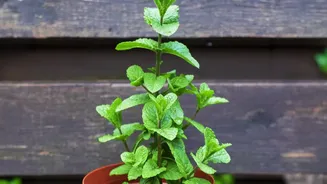
The Right Home: Why Pot Size Is Critical
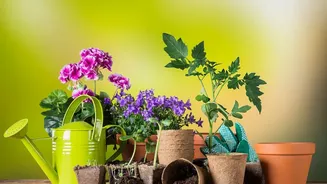
Choosing the right container is the first and most important step. Thai chilli plants, despite their often compact appearance, develop extensive root systems. A pot that's too small will restrict root growth, leading to a stressed plant with a disappointing
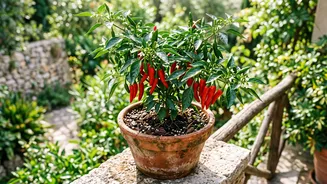
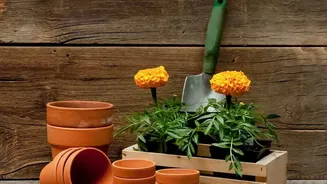
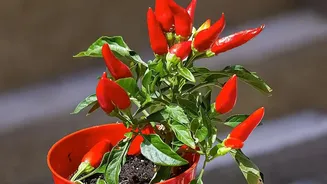
yield. For most Thai chilli varieties, a container that holds at least 10-12 litres is a good starting point. A pot with a depth of at least 12 inches allows the roots to grow downwards comfortably. While smaller 3-gallon (about 11-litre) pots can work, a 5-gallon (around 19-litre) container provides ample room for the roots to thrive, which translates to a stronger, more productive plant. Ensure any pot you choose has plenty of drainage holes at the bottom to prevent water from logging, which can quickly lead to root rot.
Give Them Space: The Importance of Spacing
If you plan to grow multiple chilli plants, giving each one enough personal space is vital. Proper spacing ensures good air circulation, which helps prevent common fungal diseases that thrive in damp, stagnant conditions. It also allows each plant to receive adequate sunlight without being shaded by its neighbours. When planting in a large rectangular planter, space individual Thai chilli plants about 12 to 18 inches apart. For smaller, more compact varieties, you might get away with a slightly closer spacing of 30-35cm (about 12-14 inches). If you are using individual pots, the rule is simple: one plant per pot. Crowding multiple plants into a single small pot is a common mistake that will only lead to competition for water and nutrients, resulting in weaker plants and fewer chillies.
The Perfect Foundation: Soil and Potting Mix
Thai chillies are not overly fussy, but they flourish in soil that is both rich in nutrients and drains well. Their roots do not like to sit in water, so a heavy, clay-like garden soil will not work in a container. The best option is a high-quality organic potting mix, which is designed to be lightweight and provide good aeration. To create an ideal environment, you can use a mix that includes potting soil, organic matter like compost, and a material to improve drainage, such as perlite or vermiculite. A good recipe is to combine two parts potting soil with one part compost. Chilli plants prefer a slightly acidic soil pH, generally between 6.0 and 7.0.
Sunlight and Watering Needs
These plants are sun-lovers, a trait that harks back to their tropical origins. For a healthy plant and a bountiful harvest, place your pots in a location that receives at least six hours of direct sunlight each day. A south-facing balcony or window is often ideal. When it comes to watering, consistency is key. Water the plants deeply whenever the top inch of soil feels dry to the touch. In the peak of summer, container plants can dry out quickly and may need watering every day. However, always check the soil before watering to avoid overdoing it. Inconsistent watering can stress the plant and cause it to drop its flowers before they turn into fruit.
Feeding for a Fiery Harvest
While good soil provides a great start, chillies are hungry plants and will benefit from regular feeding throughout the growing season. Once the seedlings are a few inches tall, you can start applying a balanced liquid fertiliser every few weeks. Look for a general-purpose fertiliser with a balanced NPK (Nitrogen-Phosphorus-Potassium) ratio, such as 10-10-10, during the initial growth phase. Once the plant begins to flower, it's a good idea to switch to a fertiliser that is lower in nitrogen and higher in phosphorus and potassium, like a 5-10-10 formula. This encourages the plant to put its energy into producing more flowers and fruit rather than just growing more leaves.
Pest Patrol and Harvesting
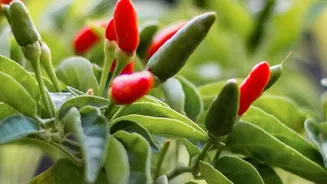
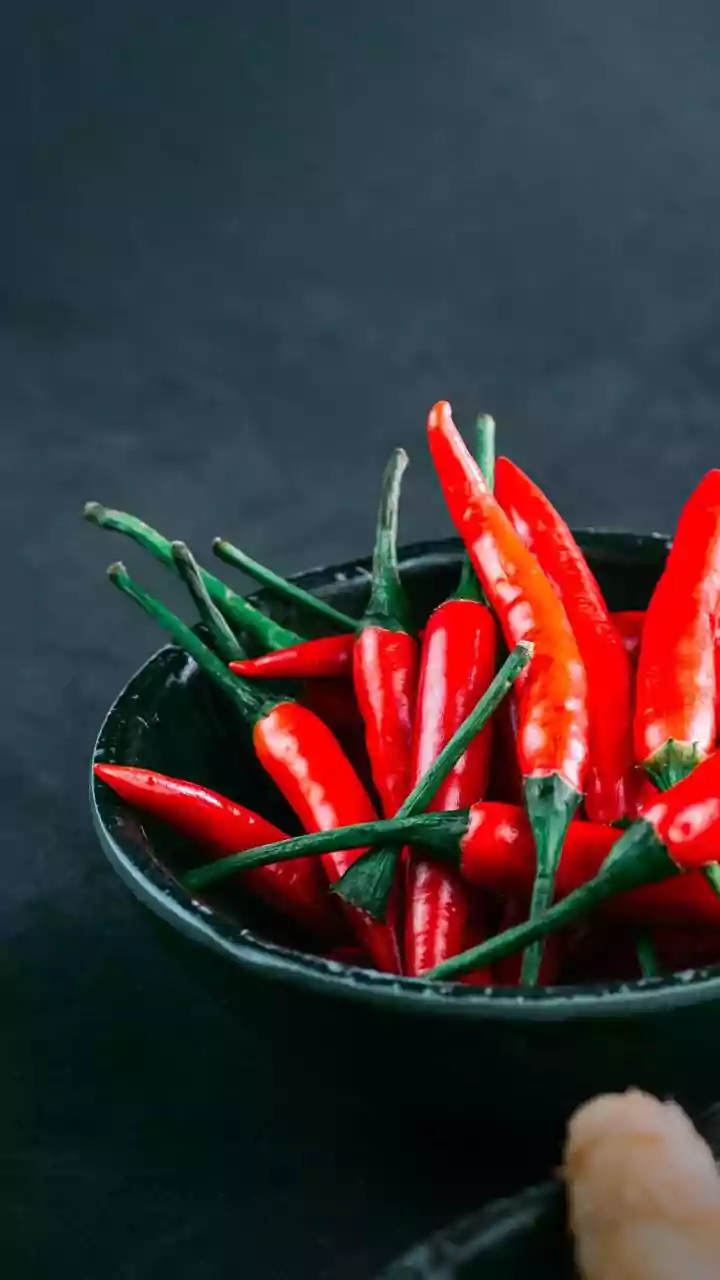
Growing in pots helps to avoid some soil-borne pests, but you should still keep an eye out for common culprits like aphids and spider mites. These tiny insects feed on plant sap and can be managed by wiping them off or using a simple insecticidal soap spray. Good air circulation from proper spacing is one of your best defences against fungal issues. Your patience will be rewarded in about 90 days, when you can start harvesting. Thai chillies can be picked when they are green or you can wait for them to ripen to a vibrant red, which is when they develop their full heat and flavour. Regular harvesting will also encourage the plant to produce more peppers.