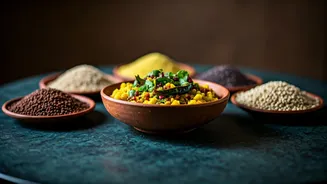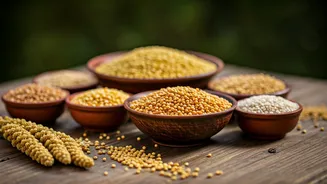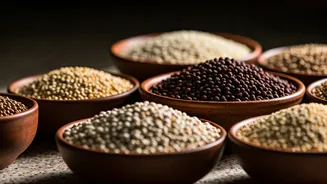



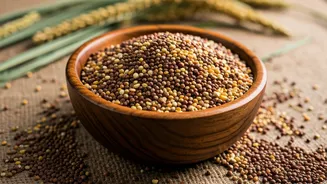
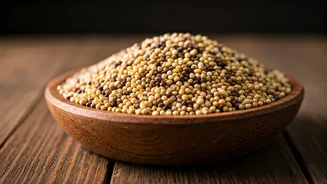


From Ancient Grain to Modern Superfood
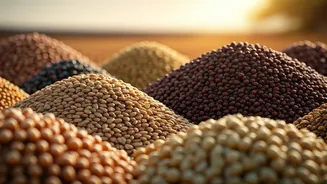
For thousands of years, millets like jowar, bajra, and ragi were central to Indian diets. However, the Green Revolution in the 1960s, which prioritized high-yield crops like rice and wheat, pushed these hardy grains to the sidelines, where they were often
labelled as 'poor man's food'. Fast forward to today, and that perception has been completely turned on its head. The momentum from the 'International Year of Millets' in 2023 continues to build, with consumers and food companies alike rediscovering these nutritional powerhouses. This resurgence is driven by a clear shift in consumer behaviour towards healthier, more natural, and sustainable food choices. The Indian millet market is now experiencing steady growth, with forecasts predicting a compound annual growth rate (CAGR) of over 5% in the coming years.
A Nutritional Powerhouse for Every Plate
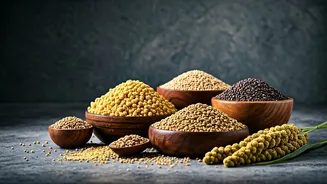
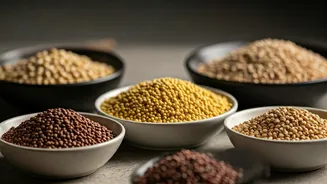
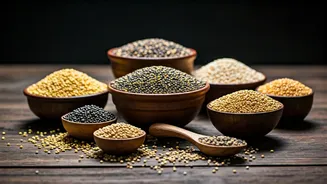
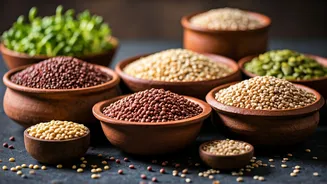
So, what's behind this 'healthy' rise? Millets are packed with nutrients that address many modern health concerns. They are naturally gluten-free, making them an excellent choice for people with celiac disease or gluten sensitivity. Rich in dietary fibre, they aid digestion, promote a feeling of fullness to help with weight management, and support gut health. Furthermore, many millet varieties have a low glycemic index, which helps in managing blood sugar levels, a significant benefit for India's growing diabetic population. Different millets offer unique benefits: Ragi is a fantastic source of calcium, crucial for bone health, while bajra is rich in iron and magnesium, which supports heart health. Jowar is loaded with antioxidants, and varieties like foxtail and barnyard millet are also celebrated for their health-promoting properties.
The New Look of Millets
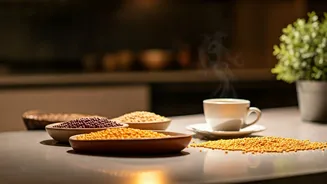
A key factor in the sustained popularity of millets is innovation. Gone are the days when millets were confined to just rotis and porridge. Today, entrepreneurs and food brands are transforming these grains into a vast array of convenient and tasty products that appeal to modern, urban lifestyles. Supermarket shelves and e-commerce platforms are now filled with millet-based breakfast cereals, noodles, pasta, cookies, and ready-to-eat snacks. Brands are launching everything from gourmet millet cookies sweetened with dates and jaggery to nutrient-packed puffs and ready-to-cook meals. This wave of product development is making it easier than ever for consumers to incorporate millets into their daily diet without compromising on taste or convenience.
Good for You, Good for the Planet
The benefits of millets extend beyond personal health to the health of the planet. These crops are famously climate-resilient. They require significantly less water than rice and wheat and can thrive in arid conditions and on less fertile soil, making them an incredibly sustainable agricultural choice. By needing fewer pesticides and chemical inputs, millet cultivation has a lower carbon footprint and helps maintain soil health. This environmental advantage is a powerful draw for eco-conscious consumers and aligns with national goals for promoting sustainable agriculture and ensuring long-term food security. Supporting millets also helps small-scale farmers, providing them with a reliable livelihood from a hardy and dependable crop.