






From Pain Point to Priority
Anyone who has travelled with young children understands the unique stress of the airport environment. Long queues, endless waiting at the gate, and the distinct lack of clean, private spaces for feeding or changing can turn a layover into a nightmare.
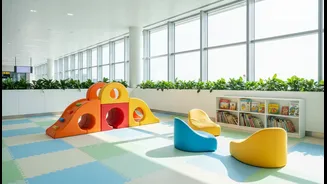
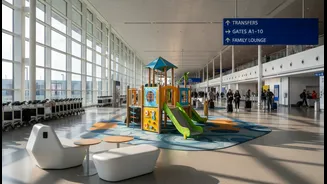
For decades, family needs were an afterthought in airport design, which prioritized speed and efficiency for the business traveller. A sad, forgotten play corner or a poorly equipped family restroom was often the best a travelling parent could hope for. Today, that is changing dramatically. Airports are recognising that families are a significant and valuable market. This shift is turning family needs from a minor consideration into a key component of airport strategy and design, driven by both a desire for better service and sound economics.
The New Global Standard of Care
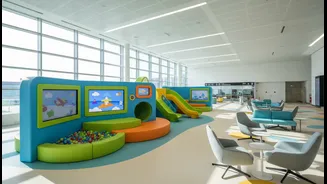
The world's leading airports are setting a new benchmark for what it means to be family-friendly. Singapore's Changi Airport is often cited as the gold standard, offering everything from a butterfly garden and rooftop pool to multiple themed playgrounds and free movie theatres. Amsterdam Schiphol features a 'Baby Care Lounge' with sleeping pods and bathing facilities for infants, while airports like Istanbul provide free strollers, 11 different play areas, and family fast-track security lanes. Beyond play zones, the rise of sensory rooms in airports like Helsinki-Vantaa provides quiet, calming spaces for neurodivergent children or any child feeling overstimulated by the terminal's chaos. These amenities are no longer just perks; they are integral features that demonstrate an airport's commitment to the passenger experience.
Good for Families, Great for Business
Investing in family-friendly facilities is more than just a goodwill gesture; it's a powerful business strategy. When children are entertained and comfortable, parents are more relaxed, less stressed, and more likely to spend money. Studies show that families tend to arrive at the airport earlier and have longer dwell times, which translates to higher spending on food, drinks, and retail. A 2024 report highlighted that 80% of passengers would spend more if they could get through security faster, and 64% of families would be more likely to spend if entertainment facilities were available. Well-designed play areas located near food courts and shops are a deliberate choice to boost sales. By creating a welcoming environment, airports can increase non-aeronautical revenue, build a loyal customer base, and gain a significant competitive edge.
The Indian Airport Experience Evolves
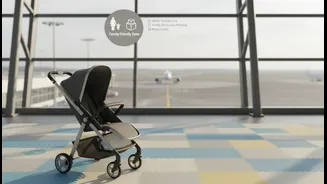
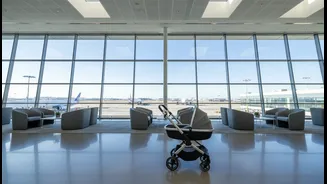
This global trend is taking firm root in India, with major hubs making significant strides. A July 2026 ranking named Hyderabad's Rajiv Gandhi International Airport and Bengaluru's Kempegowda International Airport among the world's top five most family-friendly airports. Hyderabad was praised for its play areas, complimentary baby strollers, and even therapy dogs. Bengaluru's new Terminal 2 is noted for its wide, stroller-friendly corridors and baby care facilities. New Delhi's Indira Gandhi International Airport has launched a 'Family@DEL' program, offering dedicated check-in counters, buggy support, and private baby care rooms across all its terminals. These airports prove that focusing on family travellers is a key part of becoming a world-class travel hub.
How to Find Your Family-Friendly Airport
For parents, these new amenities mean that choosing a flight is no longer just about price and schedule. The airport itself has become a crucial part of the decision. Before booking, families are advised to check airport websites, which often have detailed maps showing the locations of play areas, nursing rooms, and family restrooms. It’s important to check not only what amenities are available, but also where they are located in relation to your departure gate and what their operating hours are, as some facilities may not be open 24/7. Airport-specific apps can provide real-time information, helping you plan your journey through the terminal. By doing a little research, parents can transform a potentially stressful layover into an enjoyable part of the family vacation.