


The Genius of Dry Bread
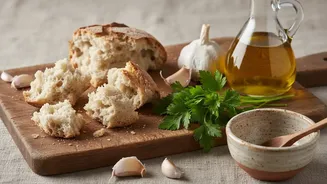
It might seem counterintuitive, but stale bread is far superior to fresh for this kind of dish. When bread is fresh, its soft, moist interior is already saturated. Trying to soak it in broth often results in a mushy, pasty texture. Stale bread, on the
other hand, has undergone a process called starch retrogradation. As bread cools and ages, its starch molecules recrystallize and push out moisture, making the structure firm and dry. This process turns the loaf into a porous, sponge-like medium, perfectly engineered to soak up every drop of flavorful broth without immediately falling apart. The result is a dish with a wonderfully soft, savory, and structured texture, not a uniform mush.
A Rich History of Frugal Flavor
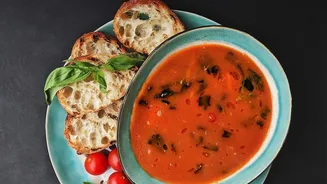
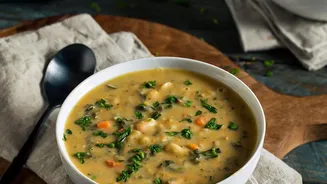
Using stale bread to thicken soups and stews is a time-honored tradition in many cultures, born from a desire to waste nothing. This practice, often referred to as cucina povera or 'peasant cooking' in Italy, has given us some of the world's most comforting dishes. Think of Ribollita, a hearty Tuscan vegetable and bean soup that's 're-boiled' with stale bread to create a substantial, nourishing meal. Or consider the French Panade, a rustic casserole where stale bread is layered with caramelized onions and rich stock, then baked with a generous topping of cheese until bubbly and golden. These dishes prove that using leftovers isn't just frugal; it’s the secret to incredible depth of flavor.
Building Your Soup Casserole
Creating your own soup casserole is more of a method than a strict recipe, allowing for endless creativity. Start by tearing or cubing your stale bread—sourdough, ciabatta, or any crusty artisan loaf works beautifully. Arrange the pieces in a buttered baking dish. Now for the most important element: the broth. Because the bread will absorb so much liquid, you need a broth that is bold and deeply flavorful. A rich chicken, beef, or a mushroom-based vegetable stock is ideal. For extra flavor, begin by caramelizing onions and garlic in the pan, then deglaze with a splash of white wine before adding your stock. This creates a savory foundation that will permeate the bread.
Layering Flavors and Textures
This is where you can get creative and use up other ingredients you have on hand. After laying down your bread, spread your flavor agents over the top. Caramelized onions are classic, but you could also add sautéed mushrooms, wilted greens like kale or chard, or cooked beans such as cannellini. If you eat meat, leftover shredded chicken or cooked sausage would be excellent additions. Once your layers are built, slowly ladle the hot broth over everything, giving the bread a few moments to begin absorbing the liquid. Press down gently to ensure everything is submerged. For a final, decadent touch, sprinkle a generous amount of cheese on top. Gruyère, Parmesan, and Fontina are fantastic choices that will melt into a glorious crust.
Baking to Golden Perfection
Bake your casserole in a moderately hot oven, around 190°C (375°F). For the first part of the bake, you can cover the dish with foil to trap steam and help the bread fully soften. After about 30 minutes, remove the foil to allow the top to become golden brown and bubbly, which might take another 15 to 20 minutes. The finished dish should be beautifully browned on top, with a soft, almost pudding-like consistency underneath. Letting it rest for a few minutes after it comes out of the oven will help it set and make it easier to serve. The final result is a meal that is greater than the sum of its parts: a testament to the magic that happens when a humble, stale loaf meets a rich, savory broth.