


The Sun's 11-Year Heartbeat
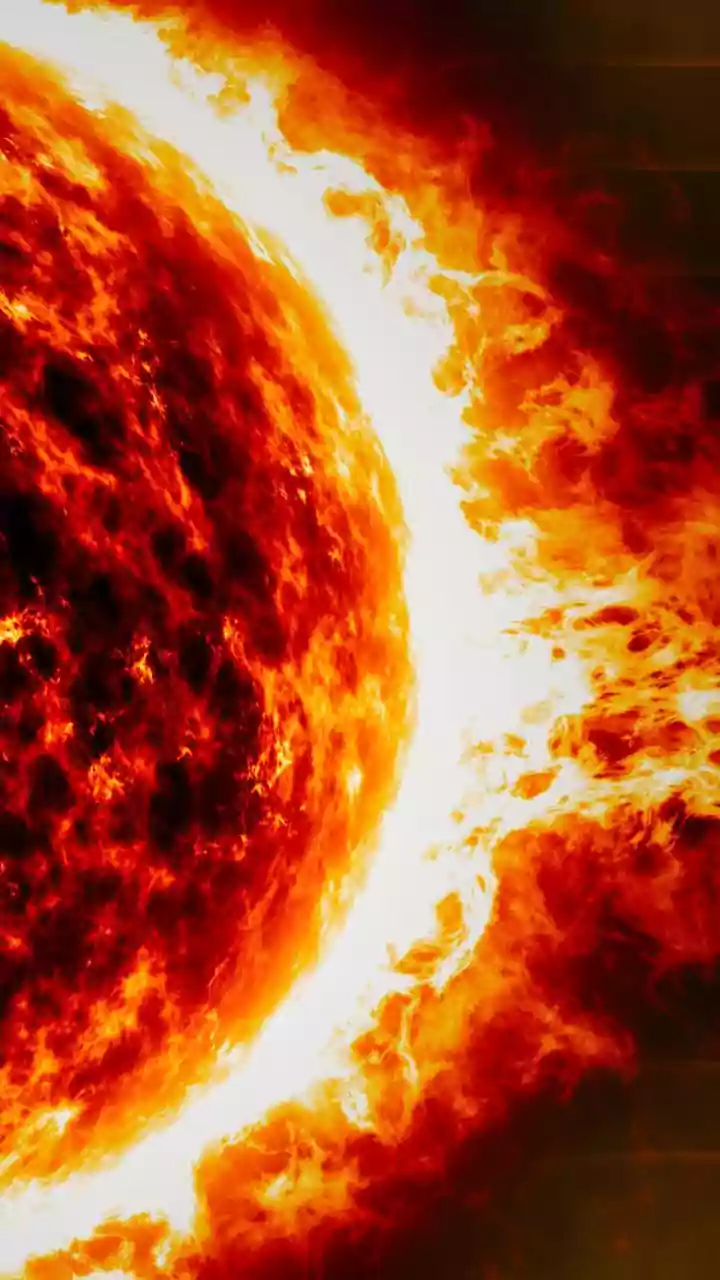
Approximately every 11 years, the sun goes through a complete personality change. This is known as the solar cycle. It begins with a 'solar minimum', a quiet period with very few sunspots and flares. Then, activity slowly ramps up to a 'solar maximum',
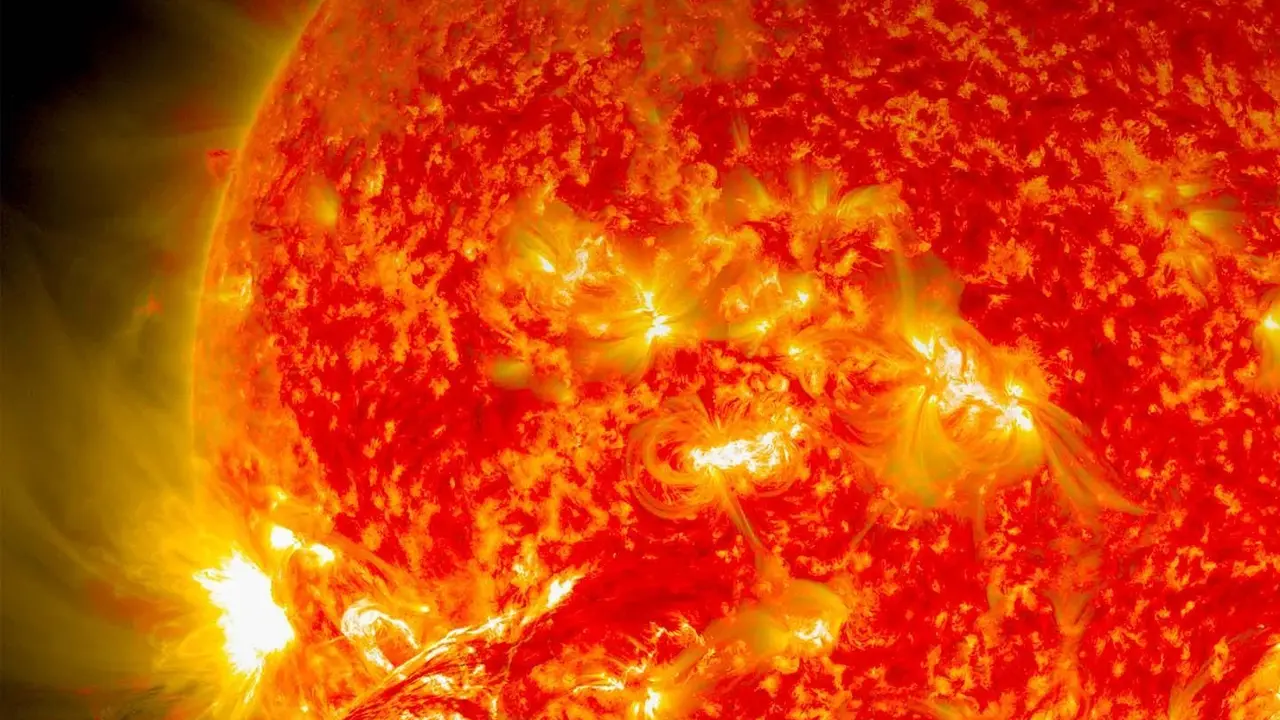
a chaotic peak where the sun's surface is churning with energy, before calming down again. The driving force behind this is the sun's magnetic field, which gets progressively tangled and twisted due to the star's rotation. About every 11 years, this magnetic confusion gets so intense that the sun's north and south poles completely flip. This entire process, from one quiet minimum to the next, constitutes one cycle. We are currently in Solar Cycle 25, which began in December 2019 and has been more active than initially predicted, with its peak activity phase spanning from 2024 into early 2026.
Flares and Ejections: The Sun's One-Two Punch
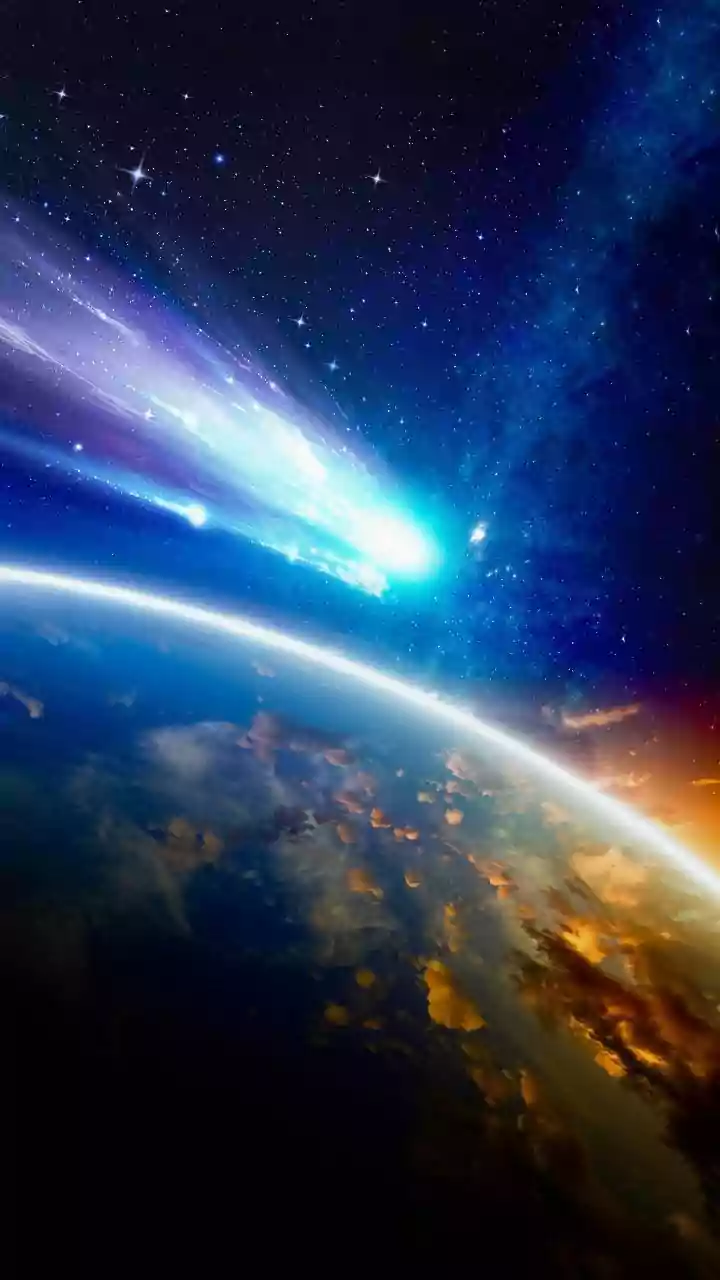
During the solar maximum, the sun is prone to violent outbursts. These primarily come in two forms: solar flares and coronal mass ejections (CMEs). A solar flare is an intense burst of radiation—a giant flash of energy that travels at the speed of light. If aimed at Earth, this radiation can reach us in about eight minutes, disrupting radio and GPS signals by disturbing the planet's upper atmosphere. CMEs are different. They are massive clouds of solar plasma and magnetic fields that are hurled into space. While slower than flares—taking anywhere from 15 hours to several days to reach Earth—they carry a much bigger punch. It is these CMEs that cause the most significant 'space weather' events, known as geomagnetic storms, when they collide with Earth’s magnetic field.
How Solar Storms Threaten Satellites
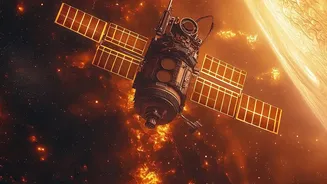
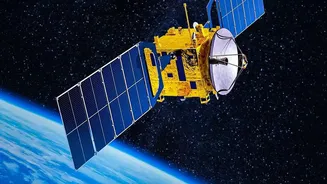
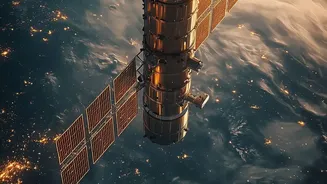
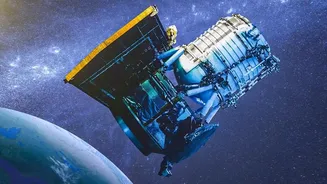
For the more than 15,000 active satellites orbiting Earth, a geomagnetic storm is a multi-pronged threat. The most significant danger for those in low-Earth orbit (LEO) is increased atmospheric drag. The energy from a solar storm heats and expands Earth's upper atmosphere. This means satellites suddenly fly through denser air, which acts like a brake, causing them to lose altitude. During a major storm, a satellite can lose as much altitude in one day as it normally would in a year. This decay can shorten a satellite's lifespan or, in worst-case scenarios, cause it to re-enter the atmosphere prematurely. In February 2022, a relatively minor storm caused the loss of up to 40 newly launched Starlink satellites for this very reason. Beyond drag, charged particles can damage sensitive electronics, degrade solar panels, and cause phantom commands that make a satellite malfunction.
Our Watchful Eyes on the Ground
While we can't stop a solar storm, we can prepare for one. This is where ground-based space weather monitoring becomes essential. A global network of observatories and instruments constantly watches the sun. These facilities track the formation of sunspots, which are often precursors to flares and CMEs. By observing an eruption as it happens, scientists can forecast its potential impact on Earth. Since CMEs take time to travel, agencies like NOAA's Space Weather Prediction Center (SWPC) can issue warnings hours or even days in advance. This lead time is critical. It allows satellite operators to put their spacecraft into a safe mode, postpone manoeuvres, or prepare to correct their orbits after the storm passes. It also gives power grid operators and airlines time to take protective measures against induced electrical currents and communication blackouts.