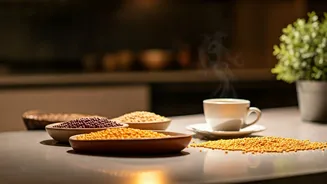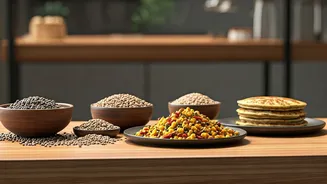





From Forgotten Grain to Superfood Star
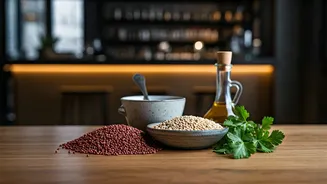
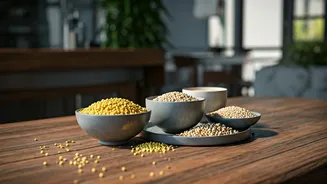
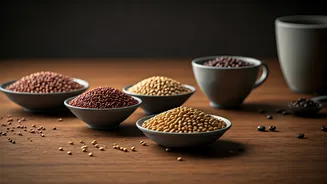
For generations, millets like jowar, bajra, and ragi were dietary staples across India, especially in rural communities. However, with the Green Revolution's focus on rice and wheat, these hardy grains were gradually relegated to the background of the country's
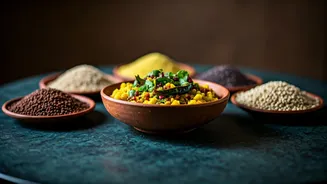
food story. Now, the narrative is changing. Rebranded as 'nutri-cereals' and 'ancient grains', millets are shedding their image as 'gaon ka khana' (village food) and stepping into the urban spotlight. This comeback is fueled by a collective shift in consciousness, where tradition is being rediscovered and presented in a way that resonates with the modern world.
The Health-Conscious Consumer's Choice
A major driver of this trend is a growing focus on health and wellness among urban Indians. Millets are a nutritional powerhouse, packed with protein, fibre, vitamins, and minerals like iron and calcium. They are naturally gluten-free, making them a great option for people with celiac disease or gluten sensitivity. Furthermore, their low glycemic index helps in managing blood sugar levels, which is a significant benefit for a population increasingly dealing with lifestyle diseases like diabetes. This impressive health profile makes millets a perfect fit for consumers who are moving beyond calorie counting to understand what their food actually does for their bodies.
A Timely Push from the Top
The resurgence of millets isn't just a grassroots movement; it has received significant backing from national and international initiatives. The United Nations, at India's request, declared 2023 the 'International Year of Millets'. This move created a massive wave of awareness, encouraging farmers to cultivate these grains and chefs to innovate with them. The Indian government has actively promoted millets, even featuring them in menus for global events like the G20 summit, showcasing their versatility and positioning India as a 'Global Hub for Millets'. This top-down promotion has successfully boosted the 'brand image' of millets, creating a ripple effect that has reached local cafes and restaurants.
Unleashing Culinary Creativity
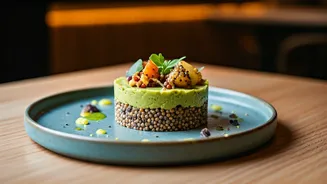
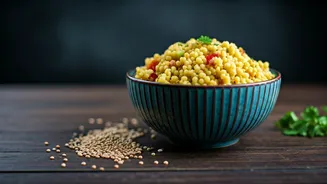
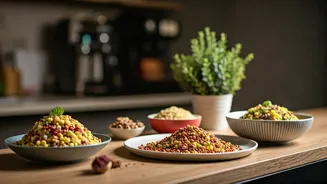
Chefs and cafe owners are at the forefront of this movement, transforming millets into dishes that are both delicious and approachable for modern palates. Instead of traditional preparations, menus now feature innovative creations like millet risotto, ragi brownies, jowar pizza bases, and foxtail millet salads. Cafes like Aarambh Cafe and Greenr in Delhi are reinventing comfort foods, offering millet vada pav or barnyard millet bowls. This culinary creativity is crucial; it makes the transition to healthier eating feel like an exciting discovery rather than a sacrifice, introducing a wider audience to the versatility of these grains.
Good for You, Good for the Planet
The appeal of millets extends beyond personal health to planetary well-being. These grains are climate-resilient super crops. They are incredibly hardy, capable of growing in arid regions and poor soil with significantly less water than rice or wheat—some studies suggest they need 70-80% less water. They also require fewer chemical fertilisers and pesticides, which helps maintain soil health and biodiversity. As urban consumers become more conscious of their ecological footprint, the sustainability angle makes millets an even more attractive choice, aligning modern dining with environmental responsibility.