




The Midnight Jewel of the Monsoon
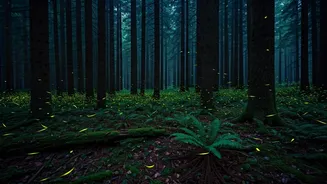
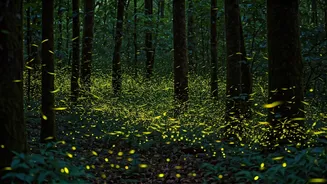
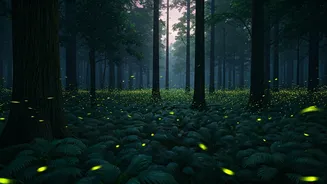
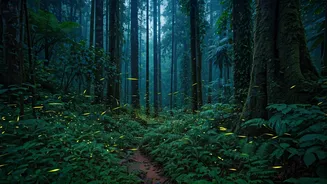
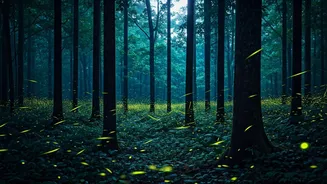
We call them 'jugnu.' They are the unsung stars of the monsoon, tiny beetles that transform forests and fields into enchanted realms. For a few precious weeks, as humidity hangs heavy in the air, these fireflies embark on a spectacular light show. They flicker
in the foliage of mango and jamun trees, pulse in rhythm over rice paddies, and create a silent, moving galaxy just for those patient enough to watch. Their arrival is a cherished part of monsoon folklore, a natural spectacle that feels more like magic than biology. It's a reminder that some of the greatest wonders don't require a screen or a ticket, just a dark night and open eyes.
The Science Behind the Sparkle
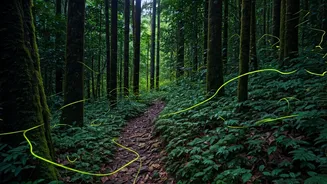
But what is this magic? It’s a chemical romance called bioluminescence. Inside the firefly's lower abdomen, a substance called luciferin mixes with an enzyme, luciferase, and oxygen to produce light without heat. This 'cold light' is incredibly efficient, far more than any light bulb man has invented. This is not just for show. The flashing patterns are a complex language. Each species has its own unique code—a series of flashes and pauses. Males fly around, advertising their presence with their specific signal, while females, often perched on leaves or blades of grass, flash back to show their interest. It’s an intricate, silent conversation, a desperate and beautiful dance to find a mate in the brief window of their adult lives.
A Monsoon Love Affair
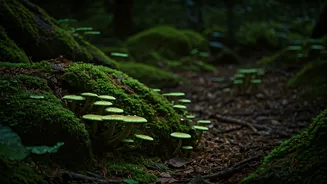
Fireflies are intrinsically linked to the monsoon. Their life cycle is timed perfectly with the rains. The larvae spend most of their lives underground or in leaf litter, feasting on snails and slugs. The arrival of the monsoon, with its increased moisture and humidity, provides the perfect trigger for them to pupate and emerge as winged adults. The soft, damp soil is crucial for the females to lay their eggs, ensuring the next generation. This is why their appearance is so brief and so tied to this specific season. They are truly children of the rain, their entire existence a testament to the life-giving power of the monsoon.
Where to See the Spectacle
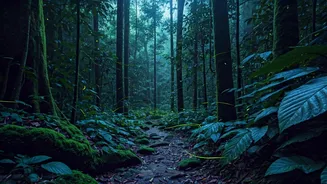
While fireflies once filled the nights in many parts of India, witnessing a truly grand spectacle now often requires a journey. Regions in the Western Ghats, particularly in Maharashtra, have become famous for their firefly festivals. Villages like Purushwadi, Bhandardara, and Rajmachi attract thousands of nature lovers between late May and June. Here, conscious eco-tourism initiatives allow visitors to witness the phenomenon without disturbing the insects' delicate habitat. These organised trips provide a chance to see millions of fireflies lighting up entire forests, an experience that feels primordial and deeply moving. Similar pockets of magic can be found in the hills of Uttarakhand and parts of West Bengal, wherever the forest is dark and healthy enough to support them.
A Fading Glow
The phrase 'won't stay long' has a double meaning. It refers to their short, seasonal lifespan, but also, tragically, to their declining numbers. The jugnu is facing a silent crisis. The biggest culprit is light pollution. The constant glow from our cities, highways, and even rural streetlights confuses them, disrupting their mating signals. A male flashing for a mate cannot compete with a 100-watt bulb. Habitat loss is another major threat, as forests and wetlands are cleared for agriculture and urban expansion. Finally, the widespread use of chemical pesticides eradicates their food sources and poisons them directly. The magical light of the firefly is an indicator of a healthy ecosystem. Where they disappear, it is a sign that our environment is in trouble.