




Beyond Bare Walls: Minimalism Redefined
For years, minimalism was associated with stark white walls, sharp corners, and an almost clinical emptiness. It was a style that looked incredible in photographs but often felt unwelcoming in reality. The new minimalism, often called 'warm minimalism,'
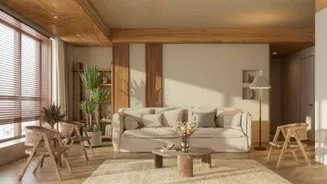
represents a significant shift. It blends the clean, uncluttered principles of traditional minimalism with an emphasis on comfort, character, and livability. The philosophy has changed from simply subtracting items to intentionally curating a space where every piece serves a purpose, whether functional or emotional. The goal is no longer a sparse showroom but a serene, soulful sanctuary that feels personal and lived-in.
The Practicality Principle
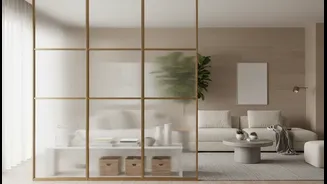
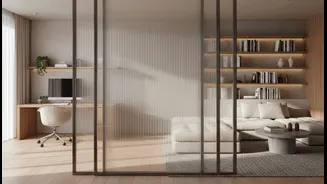
A core tenet of the new minimalist home is functionality. Furniture is chosen not just for its clean lines, but for its utility in daily life. This means embracing pieces with hidden storage, like ottomans that hold blankets or bed frames with built-in drawers, to keep surfaces clear without sacrificing essentials. Multi-purpose furniture is also key; think of a dining table that doubles as a workspace or a console that serves as both storage and a display area. The emphasis is on creating a home that is easy to navigate and use. Rather than open shelves that gather dust and clutter, this approach favours closed, integrated storage that makes tidying up simple and keeps visual noise to a minimum.
Injecting Warmth with Texture and Colour
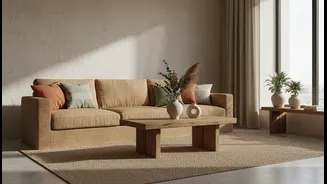
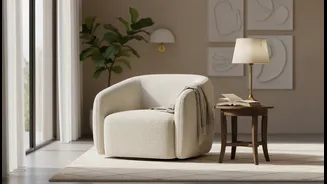
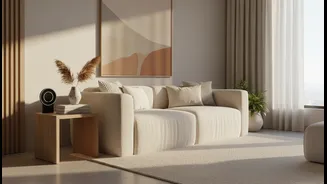
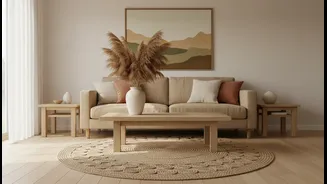
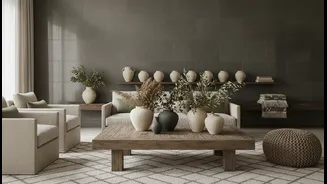
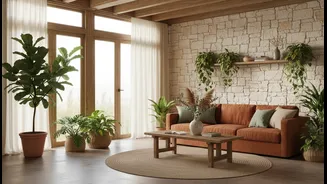
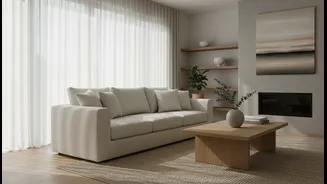
Perhaps the biggest departure from old-school minimalism is the embrace of warmth through texture and a richer colour palette. Stark whites and cool greys are replaced by a foundation of warm neutrals like cream, beige, sand, and taupe. These colours create a soothing backdrop for layers of texture that add depth and interest. Think natural materials like wood, wool, linen, and rattan. A chunky knit throw on a sofa, curtains made of natural linen that soften sunlight, or a wool rug underfoot can make a space feel instantly more inviting. Metals shift from polished chrome to warmer tones like brass or antiqued gold, and decorative items lean towards handmade ceramics with organic, imperfect shapes.
Designing for Effortless Maintenance
A home that is easy to maintain is inherently more calming. The new minimalism prioritizes choices that reduce cleaning time and daily friction. This involves selecting durable materials for surfaces, like wood and stone that age gracefully, and avoiding glossy finishes that show every fingerprint. A key strategy is to have a designated home for everything, which simplifies the process of tidying. This also means being ruthless about what comes into the house in the first place, questioning 'just in case' items and focusing on quality over quantity. By creating simple systems for managing daily clutter, like a designated drop zone for keys and mail, the home remains organized with minimal effort.
The Art of Curated Personalisation
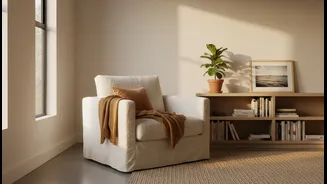
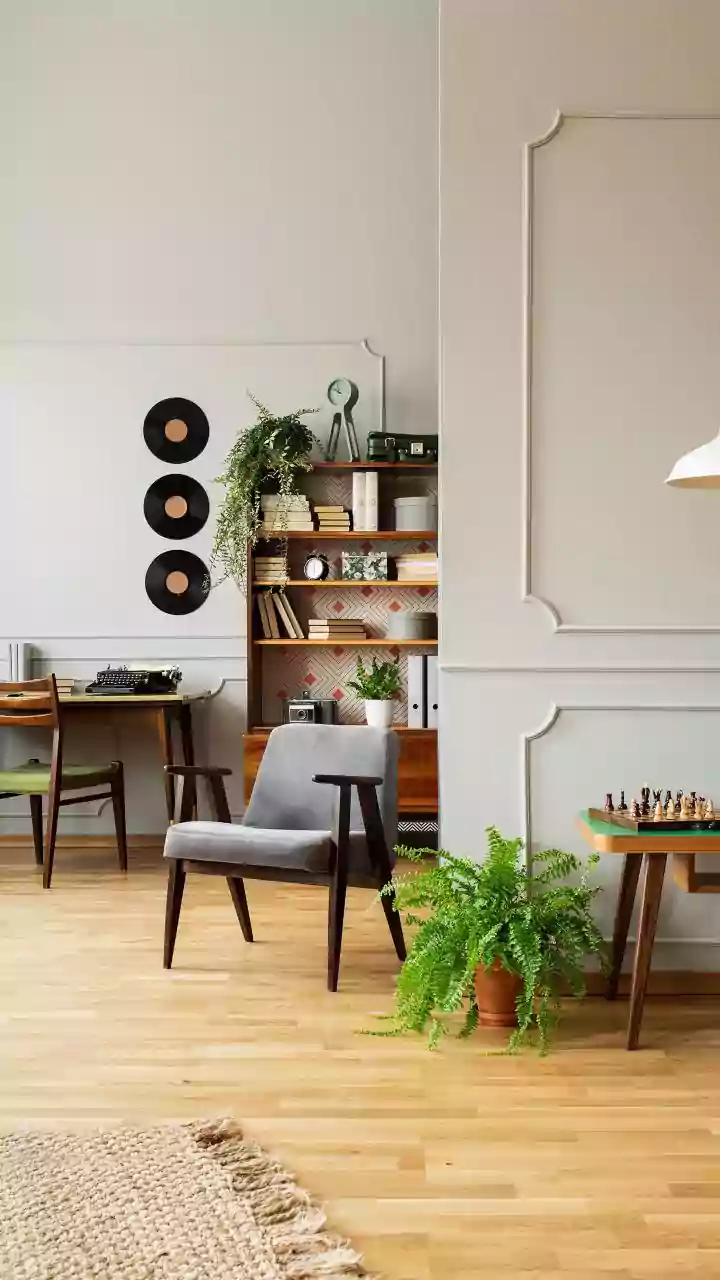
Warm minimalism is not about erasing personality; it's about giving your most cherished items space to shine. Instead of a collection of trend-based accessories, this style encourages displaying a few meaningful objects. These could be treasures from travels, vintage finds, or a single piece of art that you love. Even plants are viewed as living sculptures that add an organic shape and a touch of green to a room. The question is no longer “what can I get rid of?” but “does this item bring me joy or serve a real purpose?”. By curating your collections and being intentional with decor, the space becomes a true reflection of you, feeling both personal and uncluttered.