






The Policy That Unlocked The Stars
In a decisive move to accelerate its space ambitions, the Indian government overhauled its Foreign Direct Investment (FDI) policy for the space sector in early 2024. Previously, foreign investment was highly restricted, primarily limited to the government approval
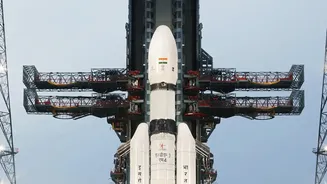
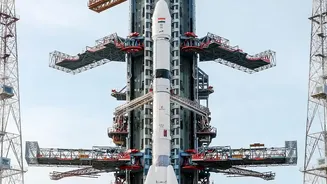
route. The new framework creates a tiered system designed to attract global capital and expertise. Now, up to 100% FDI is permitted under the automatic route for manufacturing components and systems for satellites and ground segments. For more complex activities, such as manufacturing and operating satellites, the automatic route is open for up to 74% FDI. For launch vehicles and the creation of spaceports, the cap for automatic investment is set at 49%. This liberalization is a clear signal that India is moving from a primarily state-run space program to fostering a vibrant, private-sector-driven ecosystem. The goal is to enhance the ease of doing business and integrate India into the global space economy.
Fueling A 'Make In India' Manufacturing Boom
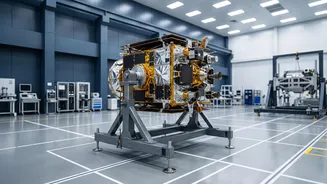
The most immediate impact of this influx of foreign capital is expected in the manufacturing domain. Allowing up to 100% FDI in space component manufacturing is a powerful catalyst for the 'Make in India' initiative. It incentivizes global firms to not only invest in Indian companies but also to establish their own manufacturing facilities in the country. This will help build a robust domestic supply chain, reducing reliance on imports for critical components. Indian Micro, Small, and Medium Enterprises (MSMEs), which have traditionally served as sub-contractors, now have the opportunity to upgrade their infrastructure with foreign capital, meet international quality standards, and export aerospace hardware globally. This shift promises to create a globally competitive industrial base for everything from sophisticated satellite parts to launch vehicle subsystems.
An Engine For Innovation And Technology Transfer
Foreign investment is about more than just money; it is a conduit for technology, expertise, and innovation. As global space giants partner with or invest in Indian firms, they bring with them advanced manufacturing techniques, proprietary technologies, and efficient R&D practices. This collaboration will be crucial for the more than 400 space startups now active in India. With access to new capital and technology, these startups can accelerate their development cycles for new launch vehicles, satellite constellations, and space-based data applications. This policy shift allows ISRO to focus more on its core mission of advanced research and exploration, while the private sector, bolstered by foreign partners, handles the operational and commercial aspects.
Creating A New Galaxy Of High-Skilled Jobs
The expansion of manufacturing and innovation will directly translate into significant employment generation. Projections suggest the Indian space ecosystem could create over 200,000 new jobs as it grows towards a projected value of over USD 40 billion by 2033. These roles will span a wide spectrum of skills. While there will be high demand for aerospace engineers and rocket scientists, the growth will also create thousands of jobs for technicians in high-precision manufacturing, software engineers for data analytics platforms, and specialists in ground station operations. The policy also encourages talent mobility, drawing skilled professionals from adjacent sectors like automotive engineering, electronics, and data analytics into the growing space industry.
India’s New Position In The Global Space Race
By opening its space sector, India is not just aiming for economic growth; it is making a strategic play to increase its share of the global space economy, which is projected to surpass USD 1.8 trillion by 2035. The government's ambition is to grow India's portion from about 2% to 8%. A self-reliant and commercially strong space industry enhances national capabilities and reduces dependency on other nations for satellite launches and data services. The liberalized FDI policy positions India as a competitive, cost-effective hub for space manufacturing and services. This move is designed to attract partners from around the world, strengthening India's role as a major power in the 21st-century space race.