


A Taste of Tradition in a Modern World
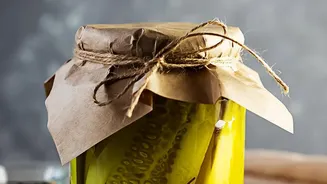
For centuries, the ritual of pickle-making, or 'achaar' preparation, was a cornerstone of Indian households. Grandmothers would spend weeks sourcing seasonal produce, hand-grinding spices, and patiently letting the mixture cure in large ceramic jars known
as 'barnis' or 'jaadis'. This wasn't just about food preservation; it was a communal activity and a way to pass down family stories. However, with the rise of urbanization and mass-produced foods, this slow, deliberate art began to fade. Now, a growing movement of artisanal pickle makers is bringing it back. Spurred by a renewed interest in wellness, nostalgia, and authentic flavours, these entrepreneurs are rejecting artificial preservatives and rediscovering the health benefits of natural fermentation.
The Science of Sun and Spice
Unlike many commercially available pickles that use vinegar for a quick cure, the traditional Indian method relies on lacto-fermentation. This ancient technique involves using salt, spices, and oil to create an environment where beneficial bacteria, like Lactobacillus, can thrive. When jars of freshly mixed pickles are left in the sun, the warmth encourages these microbes to break down the natural sugars in the fruits or vegetables. This process not only preserves the pickle but also creates lactic acid, which gives it a characteristic tangy flavour. More importantly, it turns the pickle into a probiotic-rich food that can aid digestion, improve gut health, and boost immunity. These artisanal makers are championing this method, celebrating pickles not just as a condiment, but as a functional, healthy food.
Meet the New Keepers of the Craft
Across India's metropolises, passionate food lovers are turning their family recipes into small-batch businesses. In Chennai, brands like Just Sides, started during the pandemic, focus on sourcing ingredients directly from farms to create traditional thokkus and pickles. In New Delhi, sisters Prerna and Preetika Chawla of Pickle Shickle honour their Coorgi and Burmese heritage with unique offerings like pork pickle and a crispy onion-garlic chili oil. Meanwhile, brands like The Little Farm Co. emphasize their all-natural process, using sun-drying, cold-pressed oils, and natural sweeteners like jaggery. These makers often use social media and direct-to-consumer websites to share their stories and reach customers who crave authentic, preservative-free products, bridging the gap between ancestral kitchens and modern urban life.
Beyond Mango and Lime
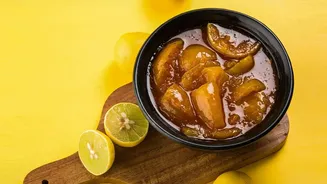
While mango and lime pickles remain timeless classics, this revival is also shining a light on India's incredible pickle diversity. Artisans are exploring a vast array of regional specialties that reflect the unique produce and flavour profiles of different states. You can now find everything from pungent bamboo shoot pickles from the Northeast to sweet and sour Gujarati lemon pickles, fiery Punjabi stuffed red chilies, and even jackfruit, lotus stem, and prawn pickles. Some makers are even getting creative by giving traditional recipes a slight twist, like Sheila Chacko Kallivayalil in Kerala, who adds North Indian elements to her family's brinjal pickle recipe. This exploration not only offers consumers exciting new tastes but also helps preserve the culinary biodiversity of the subcontinent.