




What is a Preprint, Anyway?
Think of a preprint as a sneak peek of a scientific discovery. It's a full research paper that scientists share on public servers, like bioRxiv or medRxiv, before it has gone through the formal, time-consuming process of peer review. For decades, the gold
standard for scientific credibility has been peer review, where independent experts in the same field scrutinise a study's methods, data, and conclusions before it gets published in a journal. This process can take months or even years. Preprints flip the script by making research available almost instantly. This allows scientists to claim priority for their work, get early feedback from a global community, and disseminate findings rapidly—a feature that became crucial during the COVID-19 pandemic.
The Landmark 70,000-Preprint Study
Given the rise of preprints, a key question has lingered: how reliable is this unvetted science? A groundbreaking new analysis posted to the bioRxiv server in July 2026 provides the most comprehensive answer to date. Researchers analysed 72,644 biomedical preprints and their final, peer-reviewed published versions. Using advanced AI, they compared the main claims in the abstracts. The findings were striking: the central conclusion remained largely unchanged in about 90% of studies. Only about 10% of papers saw their primary claim substantially revised after peer review. The study also found that papers that first appeared as preprints were retracted from journals at roughly half the rate of those that didn't, suggesting that the early, open exposure might help catch errors.
The Pandemic's Accelerating Influence
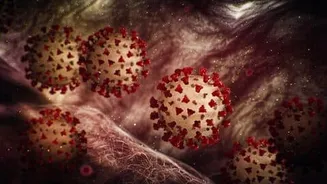
The preprint revolution was turbocharged by the COVID-19 crisis. In the first 10 months of the pandemic alone, over 30,000 preprints related to the virus were posted. At certain points, preprints accounted for a quarter or more of all COVID-19 research. This flood of information allowed scientists, doctors, and policymakers to access critical data on topics like virus transmission and treatment efficacy in near real-time. It dramatically accelerated the pace of discovery when the world needed it most. However, this speed came with risks. The rapid dissemination of unreviewed science also led to the spread of misinformation, as some flawed or controversial preprints were picked up by the media and shared widely online.
Speed vs. Scrutiny: The Great Debate
The debate around preprints centres on a fundamental trade-off: speed versus scrutiny. The primary benefit is accelerating science. The main risk is that preliminary findings might be flawed or misinterpreted by the public and media before experts have a chance to weigh in. Studies have shown that during the pandemic, media coverage of preprints exploded, but the way journalists explained their preliminary nature was often inconsistent. This created a challenge, as research shows that only about one in five people can accurately define what a preprint is, highlighting a gap in public understanding. Post-pandemic, there is evidence that journalists have become more cautious about reporting on preprints, suggesting a new awareness of the potential pitfalls.
The Future of How We Get Our Science
The rise of preprints represents a permanent shift in scientific communication. While major journals and the peer-review process remain central, preprints have carved out an essential role. The large-scale analysis of over 70,000 studies provides strong evidence that they are, for the most part, a reliable source of information whose core findings hold up to scrutiny. For the public, this means learning to approach science news with a new level of awareness. When you see a headline about a new study, it's worth checking if it's based on a preprint. This doesn't mean the findings are wrong, but it does mean they are preliminary and part of a conversation that is still evolving. This transparency is ultimately a good thing, offering a real-time window into the scientific process itself.