

1. Gaganyaan: India's Giant Leap into Human Spaceflight
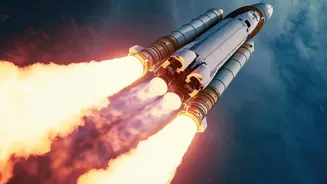
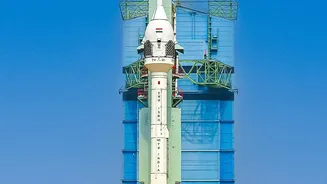
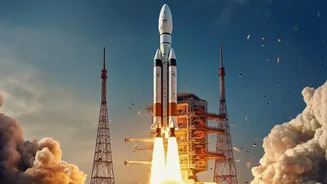
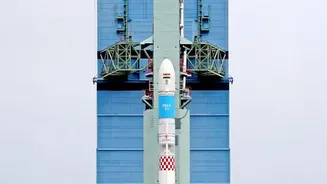
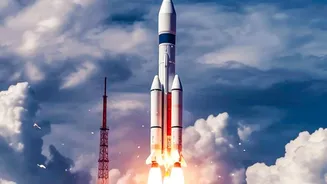
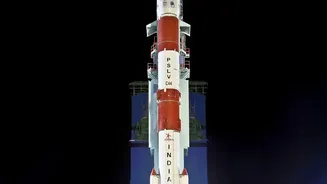
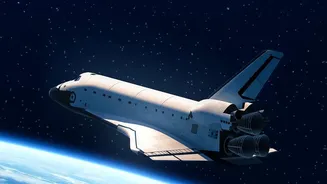
The most anticipated mission is undoubtedly Gaganyaan, which aims to make India the fourth nation to independently send humans into space. The program is proceeding with a series of uncrewed test flights before the first crewed mission. The initial uncrewed flight,
G1, is a critical step, planned to launch in 2026. These tests will validate the human-rated LVM3 rocket, the orbital module, and life support systems. The goal is to launch a crew of two to three astronauts into a 400-kilometer orbit for a mission lasting several days before safely returning them to Earth. The first crewed flight is anticipated around 2027, marking a monumental milestone for the nation.
2. Chandrayaan-4: Bringing a Piece of the Moon to Earth
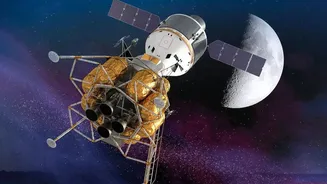
Building on the incredible success of its lunar exploration programme, ISRO is planning Chandrayaan-4, a highly complex lunar sample return mission. The objective is to land near the Moon's south pole, collect soil and rock samples using a robotic arm, and bring them back to Earth for detailed scientific analysis. This ambitious mission involves five different spacecraft modules and will require two separate launches using the powerful LVM3 rocket. The planned timeline for this challenging endeavour is around 2028, further cementing India's expertise in lunar exploration.
3. Shukrayaan-1: Unveiling the Secrets of Venus
ISRO is setting its sights on Earth's mysterious 'twin sister' with Shukrayaan-1, India's first mission to Venus. The planet's thick, toxic atmosphere and extreme surface temperatures make it a challenging but fascinating target. The mission aims to study Venus's dense atmosphere, its surface and subsurface features, and its interaction with the solar wind. Shukrayaan-1 will carry a ground-penetrating radar, a world-first for Venus exploration, to map what lies beneath the clouds. With a launch window targeted for 2028, this orbiter mission seeks to understand why Venus became so inhospitable while Earth flourished.
4. Mangalyaan-2: A Bold Return to the Red Planet
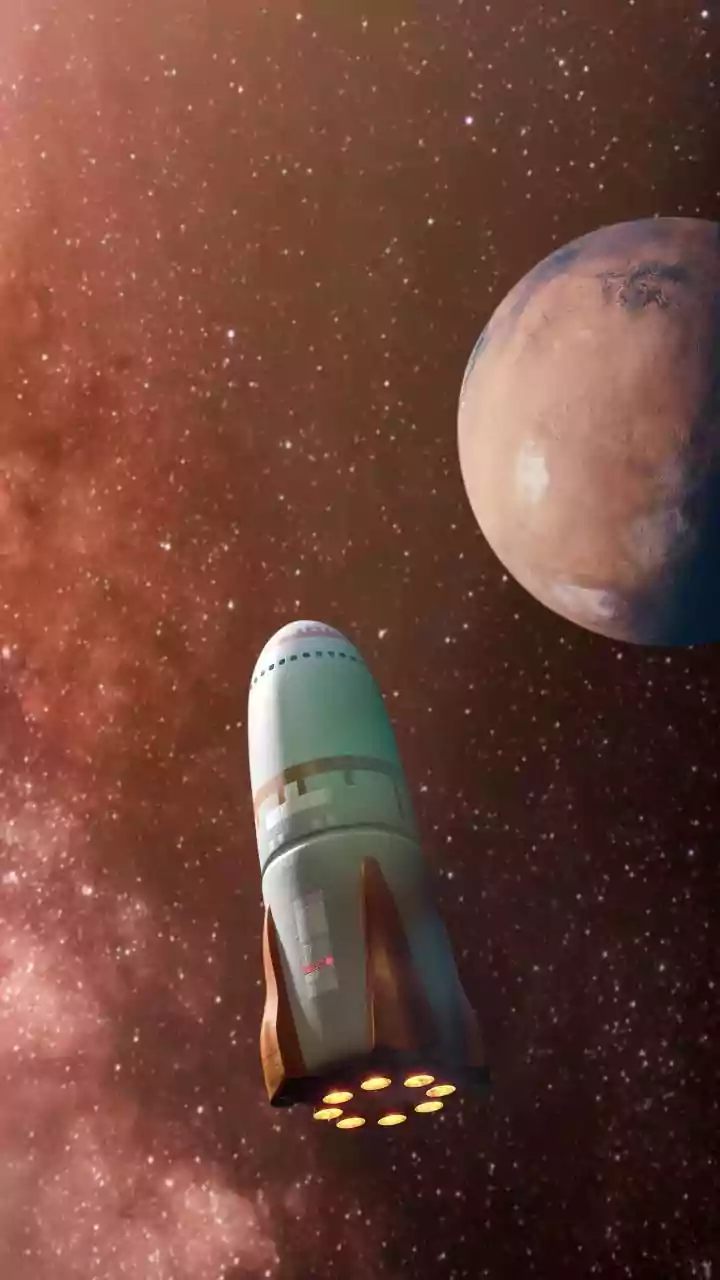
After the historic success of the first Mars Orbiter Mission (MOM), India is preparing to go back with Mangalyaan-2. This time, the ambition is even greater: to attempt India's first soft landing on the Martian surface. Unlike its predecessor, which was solely an orbiter, Mangalyaan-2 is planned to include a lander and potentially a rover. The mission will focus on developing advanced landing systems to survive Mars's thin atmosphere. While the launch is planned for around 2030, it represents a significant technological leap, placing India in an elite group of nations that have successfully landed on Mars.
5. NISAR: A Global Partnership to Study Earth
The NASA-ISRO Synthetic Aperture Radar (NISAR) mission is a landmark collaboration between the two space agencies. This advanced Earth observation satellite is equipped with dual-frequency radar to provide incredibly detailed, all-weather data on our planet's changing surfaces. NISAR will monitor subtle changes in ecosystems, ice sheets, and the Earth's crust, providing crucial data for understanding climate change, natural hazards like earthquakes and volcanoes, and resource management. It is one of the most expensive Earth-imaging satellites ever built and a testament to the growing India-US space partnership.
6. SPADEX: Mastering the Art of Space Docking
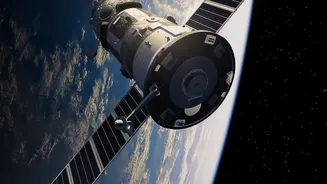
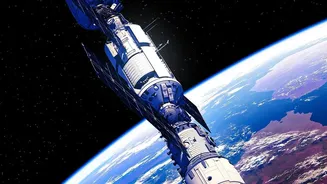
The Space Docking Experiment (SPADEX) is a critical technology-demonstration mission. It involves launching two small satellites and having them perform autonomous rendezvous and docking manoeuvres in orbit. This capability is a fundamental building block for future, more complex missions. Mastering docking is essential for building a future Indian space station (the Bharatiya Antariksh Station), conducting in-space servicing of satellites, and assembling larger structures for interplanetary missions. SPADEX is a vital step towards long-term human presence in space and sustainable space operations.
7. LUPEX: A Joint Lunar Rover Mission
The Lunar Polar Exploration Mission (LUPEX) is another exciting international collaboration, this time between ISRO and the Japanese Aerospace Exploration Agency (JAXA). The mission plans to send a lander and a rover to the Moon's south pole to investigate the presence, quantity, and quality of water ice. ISRO is responsible for developing the lander, while JAXA is building the rover. This joint effort will leverage the strengths of both agencies to conduct in-depth analysis of lunar resources, which are seen as key for future long-term exploration of the Moon.