




1. Dedicated Pet Zones and Nooks
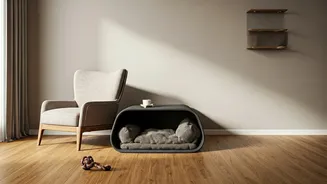
The idea of a pet simply fitting into our lives is fading. Instead, dedicated spaces are being carved out for them from the blueprint stage. This isn't just a cushion; it's 'barkitecture'. Think custom-built sleeping nooks under the stairs, a window seat
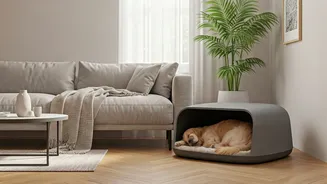
with a durable perch for the cat to sunbathe, or a quiet, cosy corner of the living room designed specifically for an anxious dog. Architects and interior designers are increasingly being asked to integrate these 'pet dens' into cabinetry and furniture, making them a seamless part of the home's design while giving the animal a secure, personal space to retreat to.
2. The Rise of Performance Materials
Style used to be sacrificed at the altar of practicality when pets were involved. Not anymore. The market for high-performance, pet-friendly materials has exploded. Homeowners are opting for luxury vinyl tile or engineered hardwood that resists scratches from claws, and sofas upholstered in performance fabrics. These modern textiles are stain-resistant, liquid-repellent, easy to clean, and durable enough to withstand enthusiastic greetings and zoomies. The best part? They now come in a vast array of colours and textures, meaning you don’t have to choose between a beautiful home and a happy pet.
3. Integrated Feeding and Washing Stations
Tripping over food and water bowls is a classic pet owner problem being designed out of existence. The modern pet-friendly home features integrated solutions. Kitchen islands are being designed with recessed alcoves at the base for food and water bowls, keeping them out of the main walkway. Some high-end designs even include a dedicated water tap at floor level connected to a filtration system. Similarly, the utility area or mudroom is being transformed. Many new homes and renovations now include a dedicated pet-washing station—a low, tiled shower stall with a handheld sprayer—to clean muddy paws before they track dirt through the house.
4. Prioritising Safety and Enrichment
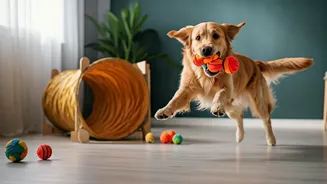
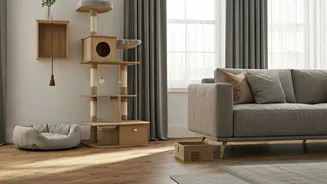
A pet-centric home is a safe home. This means rethinking everything from balconies to gardens. 'Catios'—enclosed patios for cats—are becoming increasingly popular in urban apartments, allowing felines safe access to fresh air and outdoor stimulation. For dog owners, it means secure fencing and choosing pet-safe plants for the garden, avoiding common toxic varieties. Enrichment is also key. Designers are incorporating vertical spaces for cats to climb, using wall-mounted shelves and perches, and creating textured surfaces or 'digging pits' in outdoor areas for dogs to express their natural behaviours.
5. Smart Homes for Smarter Pet Care
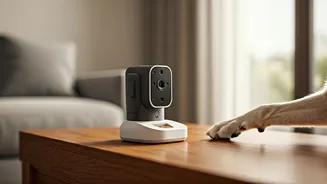
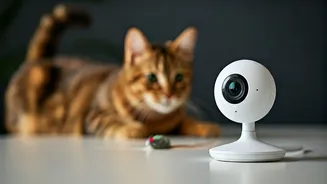
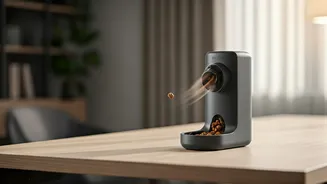
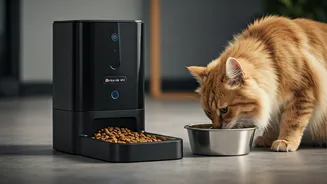
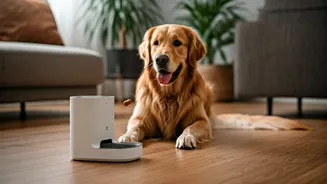
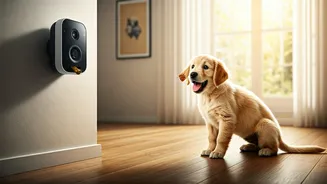
Technology is playing a huge role in the pet-centric home. It’s no longer just about security cameras to watch your pet. Today’s smart homes allow for a new level of remote care. Automated feeders dispense precise portions at scheduled times. Smart thermostats can be adjusted remotely to ensure the home is comfortable for a pet left alone. Interactive cameras allow owners to not only see and talk to their pets but also dispense treats with the tap of an app. These technologies provide peace of mind and help integrate pet care seamlessly into a busy modern lifestyle.