



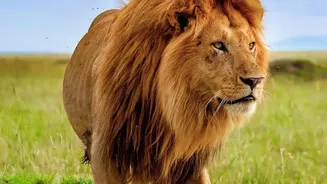
A Pride with Nowhere to Go
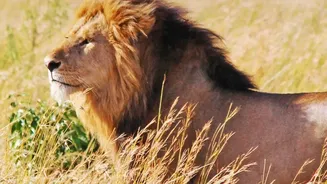
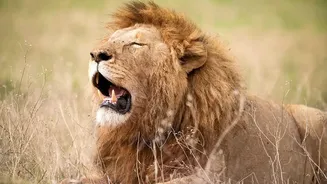
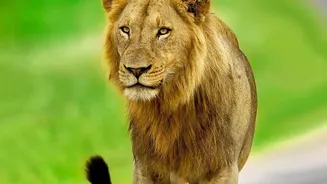
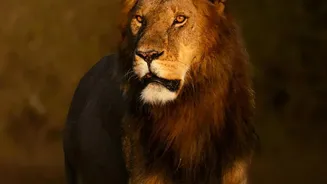
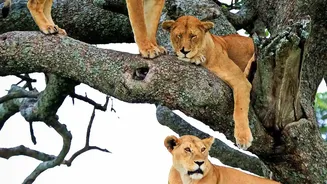
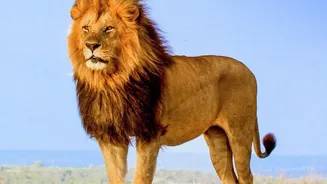
The conservation of the Asiatic lion is one of India's greatest success stories. From a perilous low of just a few dozen individuals a century ago, the population has rebounded to over 670 by the 2020 census, with unofficial estimates now higher. This
success, however, has created a new challenge: overcrowding. The lions' only home, the Gir National Park and surrounding landscape, is overflowing. This concentration in a single area makes the entire species dangerously vulnerable to catastrophic events like disease outbreaks or natural disasters. A canine distemper virus outbreak in 2018 highlighted these exact risks, leading to the deaths of multiple lions and reinforcing what experts have warned for years: the lions need a second home.
The Search for a Second Home
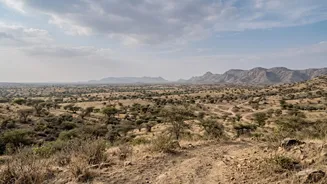
The idea of establishing a second, geographically separate population is not new. For years, the Kuno National Park in Madhya Pradesh was prepared for this purpose, a move even mandated by the Supreme Court in 2013 to mitigate risks. However, the translocation from Gujarat to Madhya Pradesh never materialised, a subject of prolonged debate between the states. Meanwhile, under the national 'Project Lion' initiative, which aims to secure the species' future, attention turned back to a location within Gujarat: the Barda Wildlife Sanctuary. Located about 100 kilometres from Gir, Barda has been on the conservation map as a potential lion habitat since the 1990s. Recent developments have now pushed it to the forefront of India's lion conservation strategy.
Why Barda is Now in the Spotlight
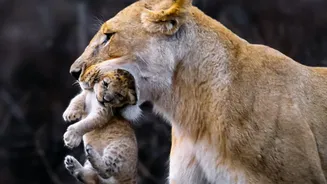
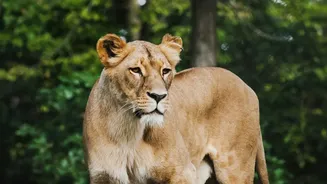
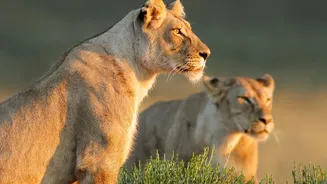
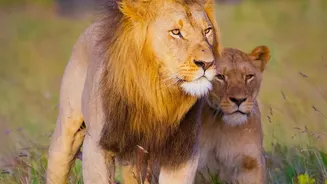
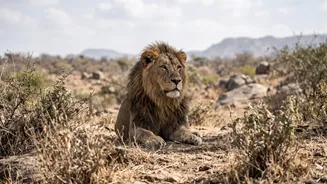
After an absence of nearly 144 years, lions have naturally begun returning to Barda. This began with the dispersal of a lone male in January 2023, a momentous event that confirmed the sanctuary's potential as a suitable habitat. Following this natural return, the Gujarat Forest Department introduced five females to help establish a breeding population. As of October 2026, the sanctuary is now home to a small but growing population of 17 lions, including cubs. A recent study published in the journal 'PLOS One' confirmed that Barda's mix of forests and grasslands, coupled with ongoing habitat improvement work, makes it a promising stronghold for the species' long-term survival.
Building a Viable Habitat
Making Barda a permanent home requires more than just moving lions. A key component is ensuring a sufficient food source. The forest department has been actively augmenting the prey base by translocating hundreds of spotted deer (chital) and sambar from Gir and through captive breeding programs. A recent study noted that while the current wild prey is dominated by wild pigs, these augmentation efforts are critical for long-term success. Furthermore, scientific monitoring is a core part of the strategy. At least six lions have been fitted with radio collars to track their movement, habitat use, and social behaviour, providing invaluable data for managing the new population.
The Road Ahead: Challenges and Hopes
Despite the promise, challenges remain. A key step involves the voluntary and successful rehabilitation of pastoralist communities, known as Maldharis, who live within the sanctuary, to create an undisturbed core area for the lions. Some experts also raise concerns that Barda's proximity to Gir—just 100 km away—may not offer sufficient protection from fast-spreading epidemics. However, the establishment of this second population within Gujarat is seen as a crucial first step. The Wildlife Institute of India has assessed that the larger Barda landscape can eventually support a population of around 40 lions. This makes the project a vital insurance policy, diversifying the lions' habitat and securing a brighter future for this iconic species.