


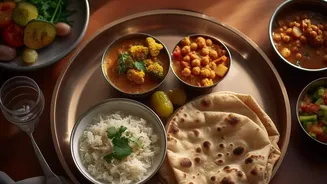
The Modern Kitchen's Dilemma
The pressure on traditional Indian cooking has little to do with taste and everything to do with time. In an age of nuclear families, dual-income households, and shrinking windows for meal preparation, the unhurried mornings that once allowed for elaborate
culinary processes are a thing of the past. The challenge is clear: how to recreate the authentic, wholesome flavours of home without spending hours grinding spices or slow-cooking curries. The desire for these traditional meals hasn't faded; in fact, interest remains incredibly high. This has sparked a quiet revolution in the Indian kitchen, where innovation isn't replacing tradition but rather creating new pathways to enjoy it.
Smarter Ingredients, Faster Meals
One of the most significant shifts is the rise of ready-to-cook (RTC) and semi-prepared ingredients. The market is now flooded with options that drastically cut down preparation time. This includes everything from pre-chopped vegetables and peeled garlic to high-quality ginger-garlic pastes and tamarind pulp. Beyond the basics, brands now offer RTC kits for complex dishes like biryani and pav bhaji, which come with pre-measured spices and core ingredients. Similarly, freeze-dried technology is being used by companies to create instant meal packets for dishes like dal makhani and palak paneer that promise authentic flavour in just five minutes by adding hot water. These products bridge the gap between a fully home-cooked meal and a takeaway, offering a convenient middle ground without sacrificing the essence of the dish.
The One-Pot Revolution
The concept of one-pot meals has been a game-changer for weeknight cooking. Traditional recipes that once required multiple steps and pans are being reimagined for efficiency. The 'Easy Skillet Chicken Biryani' or a 'One Pan Indian Coconut Chicken Curry' are perfect examples of this trend, delivering complex flavours without the complex cleanup. The humble pressure cooker, a long-time staple, continues to be essential for quickly cooking dals and meats. More recently, electric pressure cookers and multi-cookers have gained popularity, allowing for set-and-forget cooking of everything from khichdi to rich curries, freeing up valuable time and reducing the mental load of constant monitoring.
Technology as a Helping Hand
Modern appliances have become the new custodians of culinary tradition. A process that took a grandmother the better part of a morning on a stone grinder, like making idli batter, can now be done in minutes with a powerful blender. Air fryers, once seen as a western import, are now commonly used to make healthier versions of beloved snacks like samosas, pakoras, and tikkis with minimal oil. This technology doesn't just offer convenience; it makes cooking less exhausting and more accessible. Induction cooktops with pre-set Indian cooking modes for dishes like idli or curry further simplify the process, ensuring consistent results and removing the guesswork from traditional techniques.
Health Takes Centre Stage
As lifestyles have become more sedentary, there's a growing awareness of health and nutrition. Traditional dishes are being adapted to be lighter and more aligned with modern wellness goals. This includes using less oil, baking instead of deep-frying, and swapping refined grains for whole grains like millets. Many recipes now focus on highlighting the natural health benefits of Indian spices like turmeric, cumin, and ginger, which are known for their anti-inflammatory properties. For example, a classic Chicken 65 can be baked instead of fried, and a rich dal can be prepared with a lighter tadka. This shift ensures that even comfort foods can be part of a balanced, everyday diet without the guilt.