





As winter settles in, the crisp, cold air often brings an unwelcome guest into our homes: dryness. This low humidity can lead to more than just chapped lips; it affects everything from our respiratory health to our overall comfort.
Why Winter Air Feels So Dry
The science behind dry
winter air is straightforward. Cold air naturally holds less moisture than warm air. When this chilly outdoor air enters our homes and is warmed by heaters, its relative humidity plummets. This process creates an indoor environment that is often far drier than we realise, stripping moisture from every available source, including our bodies. This lack of humidity is the root cause of many common winter discomforts.
How Your Body Reacts to Low Humidity
When the air lacks moisture, it can lead to a variety of physical symptoms. The mucous membranes lining your nose and throat can dry out, causing a scratchy throat, cough, and nasal irritation. This dryness can also make you more susceptible to nosebleeds and can worsen symptoms of asthma, sinusitis, and bronchitis. Beyond respiratory issues, low humidity is a well-known culprit for dry, itchy skin, chapped lips, and eye irritation. Some studies even suggest a link between low humidity and increased stress levels.
Finding the Ideal Humidity Balance
For optimal health and comfort, experts recommend maintaining an indoor relative humidity level between 30% and 50%. Levels below 30% are considered too dry, while levels above 60% can encourage the growth of mould and dust mites. The easiest way to know your home's humidity level is by using a small, inexpensive device called a hygrometer. This will give you a clear reading and help you decide if you need to add more moisture to your air.
Simple, No-Cost Ways to Add Moisture
Before investing in any equipment, you can take several simple steps to naturally increase the humidity in your home. After a hot shower, leave the bathroom door open to let the steam disperse into other rooms. You can also air_dry your laundry on an indoor rack, which slowly releases moisture as the clothes dry. Another easy trick is to place bowls of water near heat sources or on sunny windowsills; the water will evaporate and add moisture to the air. Even cooking on the stovetop by boiling water for pasta or making soup can help.
Using a Humidifier for a bigger boost
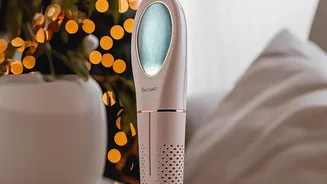
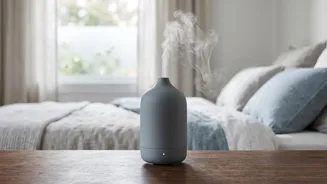
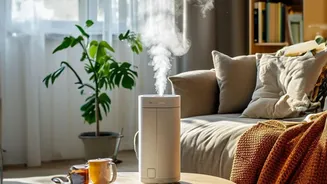
For a more significant and controlled impact, a humidifier is the most effective tool. There are several types, including cool mist, warm mist (steam vaporizers), and ultrasonic models. Cool mist humidifiers are generally safer for homes with children, while warm mist versions have the benefit of boiling water, which can kill germs before releasing steam. When choosing one, consider the size of your room to ensure it’s powerful enough for the space.
The Importance of Humidifier Safety and Cleaning
While humidifiers are beneficial, they require regular maintenance to prevent becoming a source of mould and bacteria. It is crucial to clean your humidifier every few days according to the manufacturer's instructions. Using distilled or demineralised water instead of tap water can significantly reduce mineral buildup and inhibit microbial growth. Make it a habit to rinse and refill the tank daily with fresh water. Never let the humidity level in a room exceed 50%, as this can create an environment where mould thrives.