







The AI Sift: Beyond Keywords
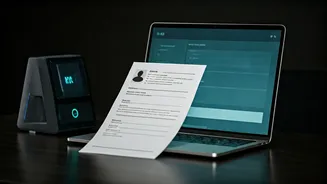
The most widespread use of AI in hiring is within Applicant Tracking Systems (ATS). For years, these systems scanned resumes for specific keywords. Today’s AI-powered ATS is far more sophisticated. It uses natural language processing to understand the context
of your experience, analyzing not just what skills you list, but your career trajectory and the impact of your work. These tools can parse and rank thousands of applications in minutes, a task that would take human recruiters days. For large Indian companies facing a high volume of applicants for every opening, this efficiency is a game-changer, significantly reducing the time it takes to create a shortlist.
The Automated Interviewer Arrives
Beyond resume screening, AI is also entering the interview stage. Many companies now use one-way, or asynchronous, video interviews where candidates record answers to preset questions on their own time. AI platforms can then analyze these recordings, assessing not just the content of the answers but also speech patterns, tone, and other behavioural cues. Some advanced systems even feature AI avatars that conduct conversational interviews, asking dynamic follow-up questions based on a candidate's responses. The goal is to automate the initial screening phase, allowing HR teams to focus their energy on a smaller pool of top-contending candidates.
The Double-Edged Sword: Efficiency vs. Bias
The promise of AI in recruitment is a faster, more objective process. By automating repetitive tasks, companies can fill roles more quickly and, in theory, reduce the human biases that can creep into hiring decisions. However, the reality is more complex. AI systems learn from data, and if that data reflects historical hiring biases, the AI can learn and even amplify them. Studies have found that some AI tools can discriminate based on race, gender, and age, systematically disadvantaging qualified candidates from underrepresented groups. This has led to a major challenge: ensuring that the quest for efficiency doesn't create new forms of systemic discrimination.
A Guide for the Modern Indian Job Seeker
For job seekers in India, adapting to this new reality is crucial. The first step is to optimize your resume for AI. This means using a clean, simple format without tables or graphics that can confuse parsers. Tailor your resume for each application by incorporating keywords and phrases directly from the job description, but weave them in naturally rather than just listing them. When facing an AI-powered video interview, focus on clear, concise communication. Since the AI may be analyzing your delivery, maintain a professional demeanour and speak clearly. The good news is that Indian professionals are showing high confidence in their ability to adapt, with a strong desire to upskill in AI.