



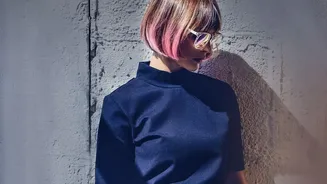

What Defines a Textured Fringe?
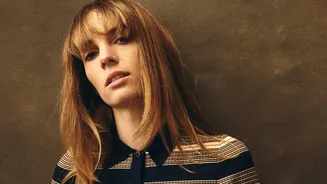
Unlike a traditional blunt fringe that's cut in a sharp, uniform line, a textured fringe is all about softness and imperfection. Stylists use techniques like point-cutting or razoring to create subtle, varied lengths and choppy ends. The result is a fringe that looks
more lived-in and natural, with pieces that separate and move. This less rigid structure is what makes it so versatile and forgiving. Instead of a heavy, solid block of hair, a textured fringe allows for lightness and dimension, framing the face in a much softer way.
The Appeal of an 'Imperfect' Cut
One of the biggest advantages of a textured fringe is its easy-going nature. Because it's not a single, precise line, it grows out much more gracefully than a blunt cut, often blending into face-framing layers as it gets longer. This means fewer urgent trips to the salon for trims; a textured style can often go six to eight weeks between appointments, whereas a blunt fringe needs maintenance every three to four weeks. The style is also incredibly adaptable, working with your hair's natural movement rather than against it, which makes daily styling far less demanding.
Finding the Right Fringe for Your Face Shape
While textured fringes are famously versatile, certain styles can be tailored to flatter different face shapes. For round faces, a longer or side-swept fringe can create an elongating effect. Square faces benefit from soft, choppy edges that soften a strong jawline; avoid anything too heavy or straight-across. Those with heart-shaped faces can balance a wider forehead with wispy or curtain bangs. Meanwhile, oval faces are the most versatile and can pull off nearly any style, from wispy to bold.
Matching the Fringe to Your Hair Type
Hair texture plays a major role in how a fringe behaves. For fine or thin hair, a light, wispy fringe can create the illusion of more volume and movement without sacrificing density. Heavy, blunt cuts should be avoided as they can make fine hair look sparse. Those with thick hair can handle more weight, but texturizing is key to preventing the fringe from looking too bulky or like a helmet. For wavy and curly hair, the key is to work with the natural curl pattern. Cutting the fringe dry allows the stylist to see how the hair will naturally sit, preventing it from springing up too short.
Popular Styles to Consider
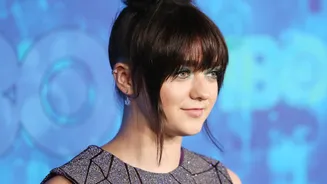
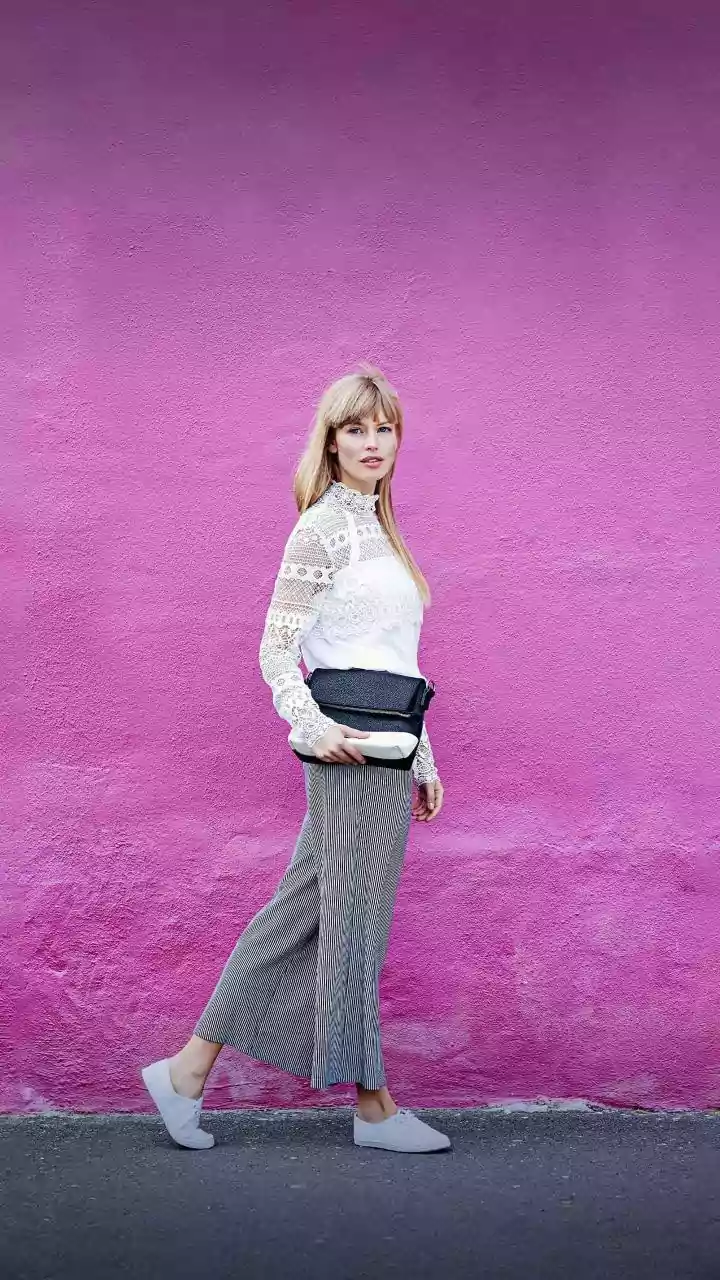
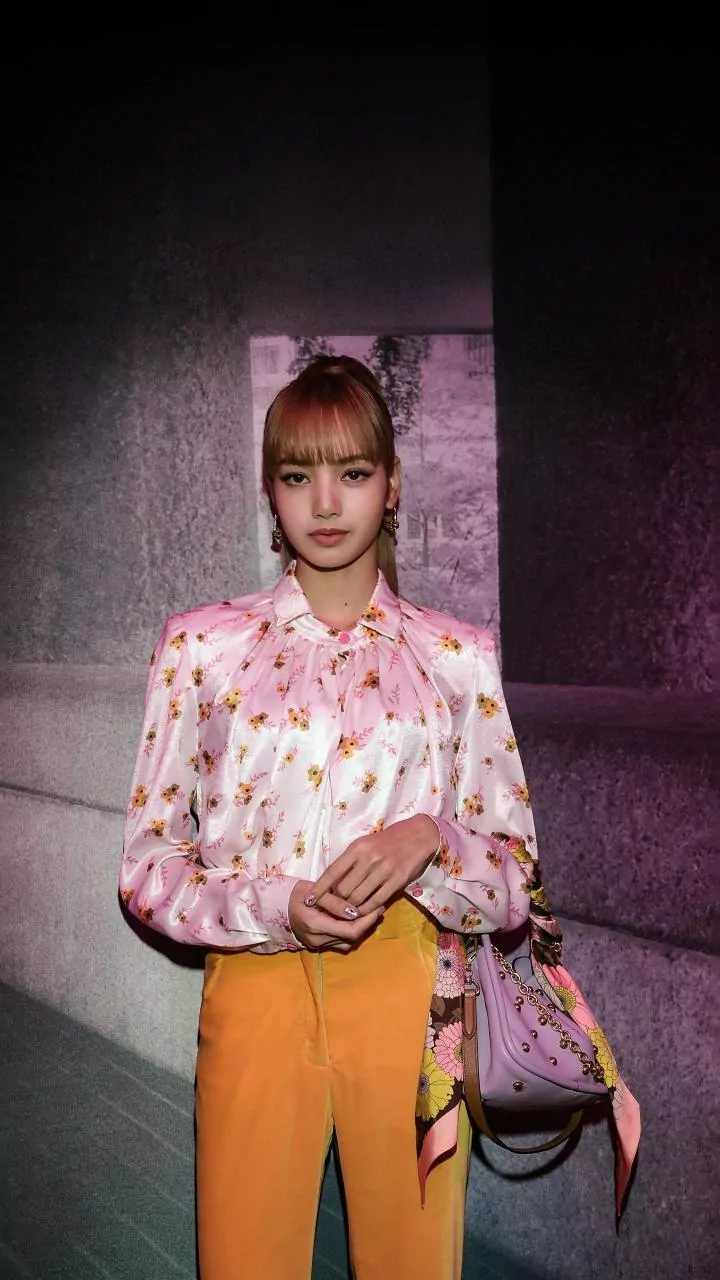
Several types of textured fringes have become salon staples. Curtain bangs, famously worn by stars like Dakota Johnson and Zendaya, are parted in the middle and swept to the sides, blending seamlessly with the rest of the hair. Wispy bangs are a softer, more feathery option, perfect for those wanting a delicate, low-commitment look. A choppy fringe is more intentionally uneven, offering a relaxed and slightly edgy vibe that has been popularised by celebrities like Joe Keery. Finally, the shaggy fringe, often paired with a wolf cut or shag, features heavier layers for an undone, rock-and-roll finish.
How to Style and Maintain Your Fringe
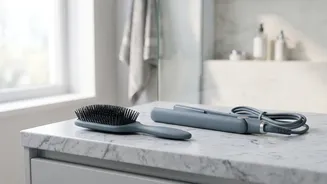
Styling a textured fringe is often about enhancing its natural movement. For many, simply air-drying is enough. If you do blow-dry, aim the nozzle in the direction you want the hair to fall to prevent it from splitting. A texturizing spray or dry shampoo can be used to add grit and separation. For finer hair, a thickening spray can add volume without weight. To refresh on the second day, you can often just work a little more product through with your fingers or lightly mist with water. Remember to avoid heavy conditioners on your fringe, as they can weigh it down.