


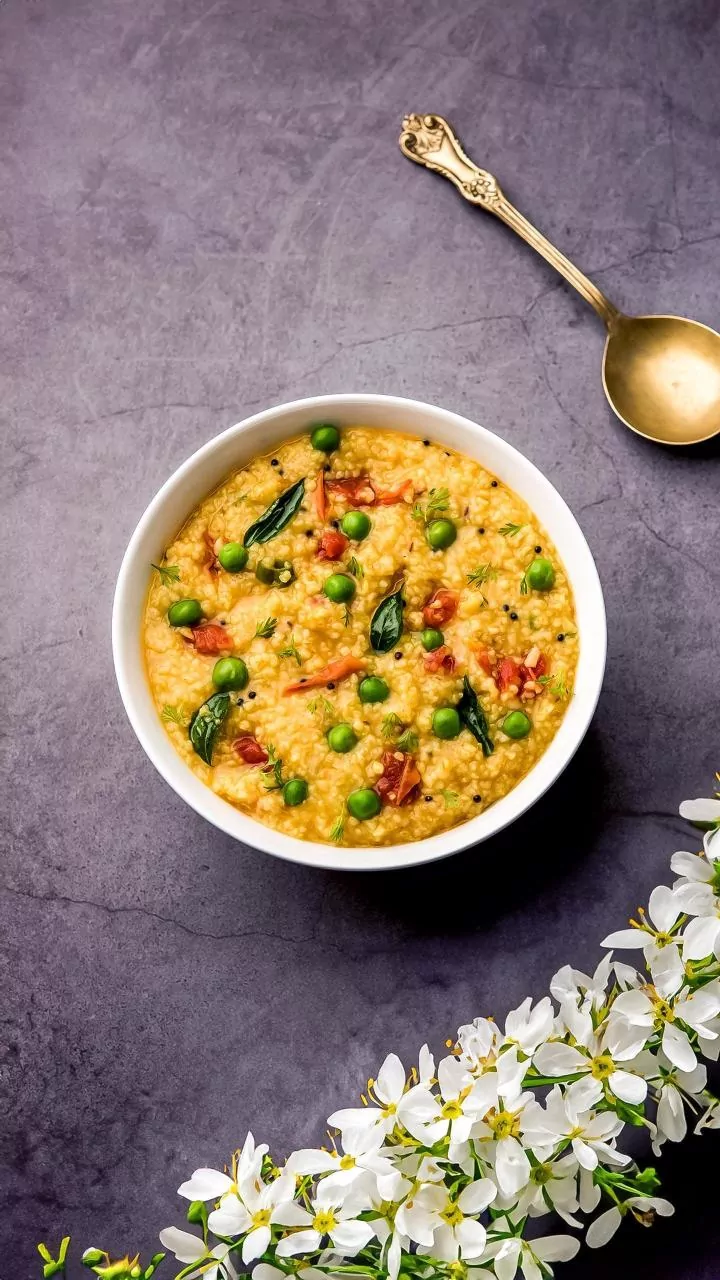

Tired of the same old lunch? Millet pulao is a fantastic, nutritious alternative to rice. It’s light, packed with flavour, and incredibly wholesome. But the key is getting that perfect, fluffy texture. Here’s how to do it right.
Why Millet Pulao Is a Smart Choice
Before we get into the
'how', let's talk about the 'why'. Millets are ancient grains that are making a huge comeback, and for good reason. They are naturally gluten-free, making them an excellent choice for those with dietary sensitivities. More importantly, they are a nutritional powerhouse. Millets are high in fibre, which aids digestion and keeps you feeling full longer, preventing that post-lunch slump. They are also a good source of protein and essential minerals. Unlike polished white rice, millets have a lower glycemic index, which means they release energy slowly and help maintain stable blood sugar levels. Swapping rice for millet in your pulao instantly transforms it from a simple carb-heavy dish into a genuinely balanced and satisfying meal.
Choose Your Millet Wisely
Not all millets behave the same way when cooked. For a pulao, where you want separate, fluffy grains, some varieties work better than others. Foxtail millet (kangni), little millet (kutki), and barnyard millet (samak/sanwa) are top contenders. These types tend to hold their shape well after cooking and are known for their ability to become light and fluffy, rather than turning into a sticky porridge. While other millets like pearl millet (bajra) or finger millet (ragi) are incredibly nutritious, they are better suited for rotis, porridges, or dosas. For your first attempt at a fluffy pulao, sticking to foxtail or little millet is a safe and delicious bet.
The Non-Negotiable Step: Soaking
If you remember only one tip, let it be this: always soak your millet. Rushing this step is the primary reason for sticky or hard-to-digest results. Rinsing the millet thoroughly a few times is the first step, just like you would with rice. Then, soak it in ample water for a minimum of 30 minutes, though an hour is even better. Soaking does two crucial things. First, it helps to break down phytic acid, an anti-nutrient found in grains that can interfere with mineral absorption. Second, it kick-starts the hydration process, allowing the grains to cook more evenly and swell into perfectly separate, fluffy morsels instead of a lumpy mass. It’s a simple, passive step that makes all the difference.
Mastering the Millet_to_Water Ratio
The second most critical factor for fluffy pulao is the water ratio. Too much water leads to mush, while too little results in undercooked, hard grains. For a perfect pulao texture, a 1:2 ratio of millet to water is the gold standard. This means for every one cup of soaked and drained millet, you should add two cups of water. This ratio works reliably for foxtail, little, and barnyard millets when cooking in an open pot or a pressure cooker. You can use water, a light vegetable broth, or even coconut milk for a richer flavour, but keep the 1:2 proportion consistent to start. Once you're more comfortable, you can adjust slightly based on your preference.
The Cooking Process Perfected
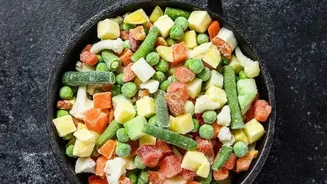
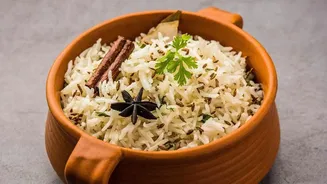
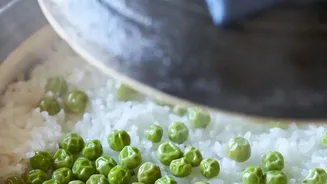
To build your pulao, start by heating ghee or oil in a pan or pressure cooker. Sauté whole spices like cumin seeds, cloves, and a bay leaf until fragrant. Add sliced onions and cook until golden, followed by ginger-garlic paste and your choice of chopped vegetables like carrots, peas, and beans. Sauté for a few minutes. Now, add your soaked and drained millet. Gently roast the millet with the vegetables for about a minute; this helps in making the grains distinct. Finally, add the water (in the 1:2 ratio) and salt to taste.
If using a pressure cooker, cook on medium flame for 1–2 whistles. If using a pot, bring it to a boil,
then cover with a tight lid,
reduce the flame to low,
and let it simmer for about $15–$20 minutes or until all the water is absorbed.
Do not be tempted to stir the millet while it's cooking.
The Final Touch: Rest and Fluff
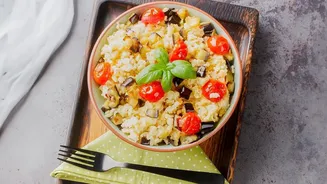
Once the cooking time is up,' turn off the heat but do not open the lid immediately.' This resting period is just as important as the cooking itself.' Let the pulao sit,' covered and undisturbed,' for at least $5 to $10 minutes.' This allows the grains to absorb any residual steam,' firm up,' and finish cooking gently.' This crucial pause prevents the grains from breaking or becoming mushy when you fluff them.' After it has rested,' open the lid and use a fork—never a spoon—to gently fluff the millet.' The tines of the fork separate the grains perfectly without mashing them.' Garnish with fresh coriander,' and your perfectly fluffy millet pulao is ready to serve.