





Embrace the Monsoon, Respect the Risk
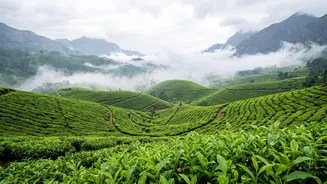
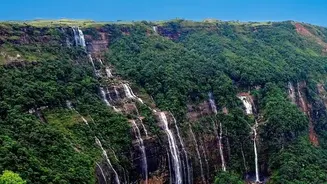
Travelling during the monsoon (typically June to September) can be a uniquely rewarding experience. Popular destinations are less crowded, and accommodation is often cheaper. Landscapes in places like Kerala, Coorg, and parts of Rajasthan are vibrantly
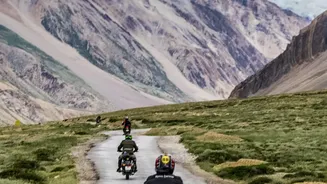
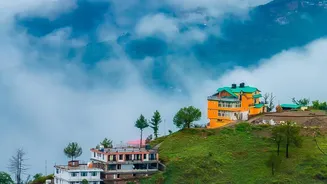
green and beautiful. However, the season also brings challenges. Heavy rains can lead to flooded roads, delayed or cancelled transport, and in hilly regions, dangerous landslides. Areas like the Himalayas, including popular spots in Uttarakhand and Himachal Pradesh, can be particularly risky. The goal isn't to avoid the monsoon altogether, but to choose your destination wisely and plan with an awareness of the potential weather-related disruptions.
Start with Official Sources: The IMD
Before you even think about booking, your first stop should be the India Meteorological Department (IMD). As the government's official weather agency, its forecasts are the most reliable foundation for your planning. The IMD website (mausam.imd.gov.in) and its 'Mausam' mobile app provide detailed five-day, district-wise forecasts. Pay close attention to their colour-coded warnings. A 'Yellow' alert means 'Be Aware,' suggesting you monitor conditions. An 'Orange' alert means 'Be Prepared' for potentially disruptive weather. A 'Red' alert signifies 'Take Action' and is a strong signal to postpone your trip, as it warns of severe conditions that pose a risk to life and property.
Your Pre-Booking Weather Checklist
Simply seeing a rain icon on a generic weather app is not enough. A few days before you book, perform a more thorough check. Look at the forecast not just for your destination town, but for the entire district and the travel route to get there. Are you crossing any mountain passes (ghats) or coastal highways known for disruptions? Use supplementary weather apps for hyper-local, hourly forecasts, which can be useful for on-the-go planning. Some of the most reliable apps for the Indian context include Skymet Weather, AccuWeather, and The Weather Channel, alongside the official Mausam app. AccuWeather's 'MinuteCast' feature, for instance, can provide a minute-by-minute precipitation forecast for the next couple of hours.
Confirm Conditions on the Ground
A forecast gives you a scientific prediction, but local knowledge provides the reality. Before and after booking, call your hotel or homestay directly. Ask them about the current weather, the condition of the approach roads, and if local life and travel are proceeding normally. Local taxi drivers, transport operators, and even police advisories are invaluable sources of real-time information. Many traffic police departments now post live updates on social media about road closures or waterlogging. This ground-level intelligence can be the difference between a smooth journey and getting stranded.
Plan for Flexibility: Your Financial & Itinerary Safety Net
Monsoon weather is inherently unpredictable. One of the biggest mistakes is packing your itinerary too tightly with no room for delays. Always build in buffer days. This is especially crucial if you have a flight to catch at the end of your trip. When booking hotels and flights, prioritise options with flexible cancellation or rescheduling policies. Although the monsoon is often an off-season with lower prices, a non-refundable booking can become a sunk cost if a red alert forces you to cancel. Travel insurance that covers trip interruptions due to weather can also offer peace of mind.
Essential Packing and Safety on the Road
Your packing should reflect the forecast. Quick-drying clothes, a reliable raincoat, waterproof footwear, and a waterproof cover for your backpack are non-negotiable. Also, carry a power bank, a basic first-aid kit with mosquito repellent, and any personal medicines. If you're planning a road trip, ensure your car's tyres, brakes, and wipers are in excellent condition. Avoid driving in hilly areas at night during heavy rain due to poor visibility and the risk of falling debris. Never attempt to drive through a flooded road; the depth and current can be dangerously deceptive.