



From Trash to Treasure
In many parts of the world, cooking with watermelon rind is a time-honoured way to use the entire fruit, reducing food waste and adding extra nutrients to a meal. The rind itself is packed with vitamins A, B6, and C, as well as potassium and zinc. It
also contains citrulline, an amino acid that can help improve blood flow. When cooked, the rind's flavour is mild and slightly vegetal, often compared to a cucumber or summer squash, with a firm, crisp texture that holds up well in stir-fries. Its ability to absorb the flavours of sauces and spices makes it an incredibly versatile ingredient for any aspiring cook.
How to Prepare the Rind
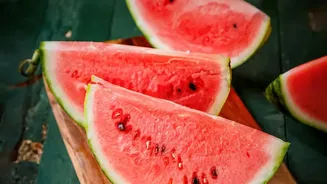
Preparing the rind is the most important step, but it's easier than you might think. First, wash the outside of the watermelon thoroughly. After you've enjoyed the sweet pink flesh, take the remaining rind and use a vegetable peeler or a paring knife to remove the tough, dark green outer skin. You want to be left with the firm, pale white part. It's okay if a very thin blush of pink remains, but too much will make the rind mushy when cooked. From here, you can slice it into thin strips, julienne it, or cut it into small, bite-sized cubes. For a stir-fry, thin strips about two inches long work perfectly.
A Simple Stir-Fry Sauce
The beauty of watermelon rind is how well it carries a sauce. For a beginner-friendly stir-fry, you don't need a long list of complicated ingredients. A classic, flavourful sauce can be whisked together in minutes. In a small bowl, combine two tablespoons of low-sodium soy sauce, one tablespoon of honey or maple syrup, a teaspoon of sesame oil, and a minced clove of garlic and a teaspoon of grated ginger. For a bit of tang, add a splash of rice wine vinegar. This simple combination provides the perfect balance of salty, sweet, and aromatic flavours to coat the rind.
Your First Watermelon Rind Stir-Fry
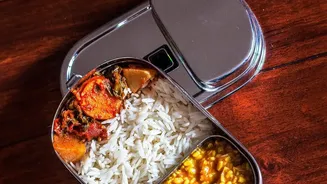
Heat a tablespoon of neutral oil, like avocado or canola, in a wok or large skillet over medium-high heat. Add your prepared watermelon rind strips to the hot pan. Stir-fry for about five to six minutes, stirring occasionally, until the rind starts to soften and become slightly translucent. You can also add other quick-cooking vegetables like sliced carrots, bell peppers, or broccoli florets at this stage. Once the rind is tender-crisp, pour your prepared sauce over everything and continue to stir-fry for another minute or two until the sauce thickens and glazes the vegetables. The dish is ready when the rind is cooked through but still has a pleasant crunch. Serve immediately with steamed rice.
Tips for Success and Variations
One common tip from experienced cooks is to lightly salt the prepared rind strips and let them sit in a colander for about 15-20 minutes before cooking. This process draws out excess water, which helps the rind stay crunchier during the stir-fry and prevents the final dish from becoming watery. Once you've mastered the basic recipe, feel free to experiment. Add protein like sliced chicken, beef, shrimp, or tofu for a more substantial meal. Throw in some sliced green onions, fresh basil, or cilantro at the end for a burst of freshness. For a little heat, add a pinch of red pepper flakes or a dash of sriracha to your sauce. The possibilities are endless.