


In a rare and personal moment, Sonia Gandhi shared a cherished culinary tradition, pulling back the curtain on a sweet Kashmiri rice dish that connects her family to its roots and reveals the enduring power of food to preserve history.
A Diwali Tradition Revealed
In a recent video
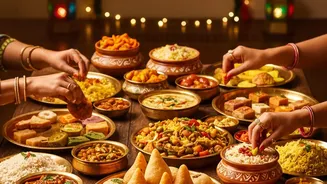
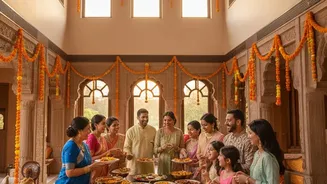
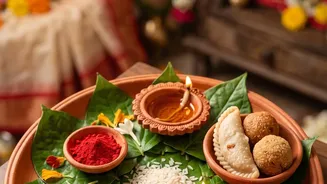
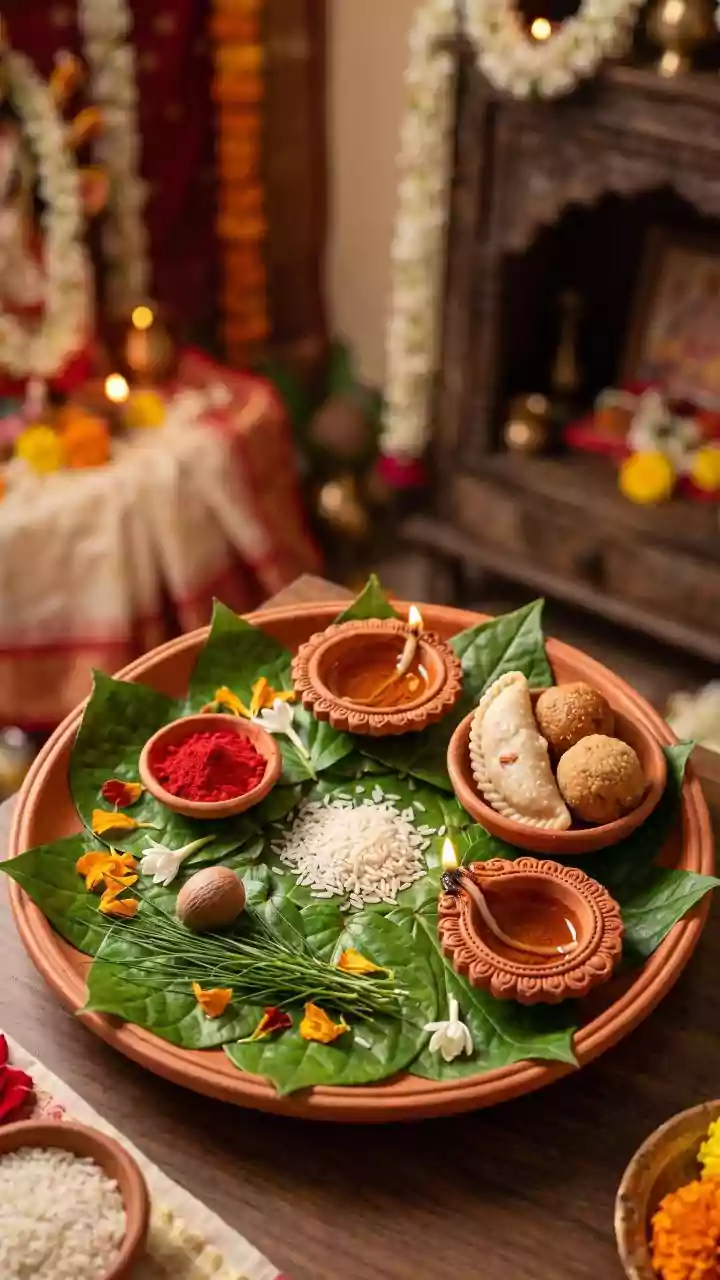
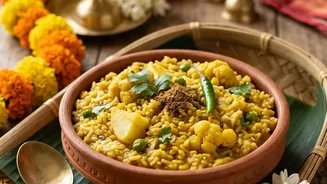
conversation with her daughter Priyanka Gandhi Vadra and granddaughter Miraya Vadra, Sonia Gandhi reminisced about Diwali celebrations at 1, Safdarjung Road, the former residence of her mother-in-law, Indira Gandhi. Amid memories of lighting diyas and the absence of modern string lights, she shared a detail that spoke volumes about the family's heritage. “On festivals, we always used to have Kashmiri food and that sweet rice… which we still make, by the way,” she recalled. This revelation, part of a series of anecdotes released around her new memoir, 'Belonging: A Journey of Love', offers a warm, personal insight into a family often seen only through a political lens.
The Nehru Family's Kashmiri Connection
The tradition of preparing Kashmiri food is deeply rooted in the Nehru-Gandhi family’s history. They are descendants of Kashmiri Pandits, with their earliest recorded ancestor, Raj Kaul, having migrated from Kashmir to Delhi in the early 18th century. The family name 'Nehru' itself is believed to have been derived from their residence's location near a canal, or 'nahar'. Though generations have passed since the family lived in Kashmir, this culinary practice, highlighted by Sonia Gandhi, shows a conscious effort to keep ancestral traditions alive. This particular sweet rice dish serves as a tangible link to their Kashmiri Brahmin origins, a golden thread of flavour connecting the present day to a distant past.
Modur Pulav: A Taste of Celebration
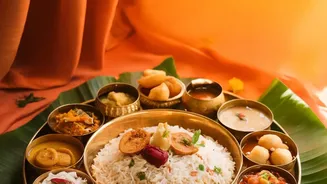
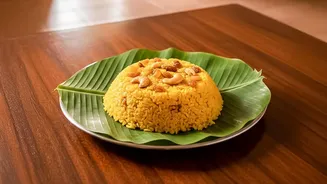
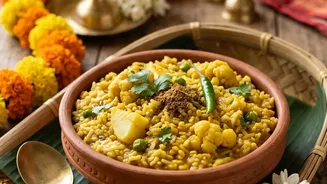
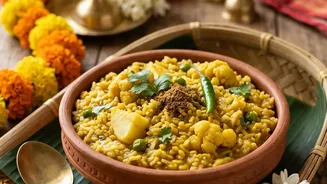
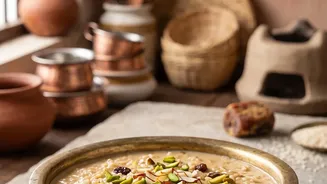
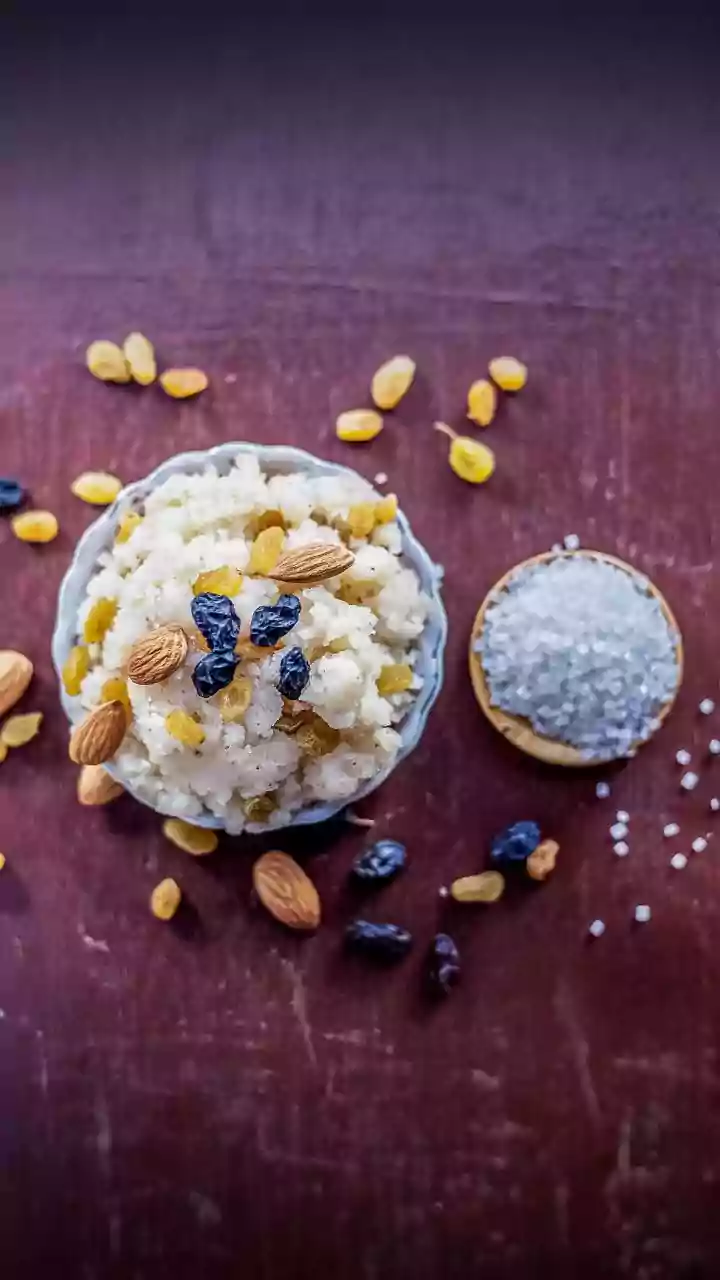
While Sonia Gandhi did not name the specific dish, it is widely believed to be Modur Pulav, a famed sweet rice from Kashmiri cuisine. The name 'Zarda' for similar sweet rice dishes comes from the Persian word 'zard', which means yellow, a nod to the vibrant hue imparted by its most precious ingredient: saffron. Modur Pulav is a celebratory dish, often served at weddings and festivals. It is prepared with fragrant basmati rice, ghee, sugar, and a host of aromatic whole spices like cardamom and cinnamon. The dish is then generously garnished with nuts and dried fruits such as almonds, cashews, and raisins, making it a rich and fragrant delicacy that embodies the spirit of festivity.
More Than Just a Recipe
The act of consistently preparing this dish, as Sonia Gandhi noted, is more than just about taste. It is a powerful act of cultural preservation. For a family that has been at the center of Indian public life for nearly a century, and for Sonia Gandhi herself, who has spoken about her journey of adapting to India, food has been a constant thread. In her memoir, she describes how she slowly came to love Indian cuisine after finding it spicy and unfamiliar at first. The continuation of this specific Kashmiri tradition, initiated by Indira Gandhi, is a small but meaningful symbol of how family recipes carry identity, memory, and a sense of belonging across generations, homes, and the tides of changing times.