






Mistake 1: Ignoring Your Diet and Hydration
One of the biggest mistakes during the monsoon is continuing with summer eating habits. The high humidity weakens our digestion, and the risk of water-borne diseases like typhoid, cholera, and jaundice skyrockets. That street-side pani puri or fruit chaat
may seem tempting, but uncooked food prepared with unfiltered water is a major gamble. **The Fix:** Stick to light, home-cooked meals. Incorporate immunity-boosting foods like ginger, garlic, and turmeric into your cooking. Avoid raw vegetables in salads unless thoroughly washed with clean water. Most importantly, ensure your drinking water is safe. Either boil your water, use a reliable water purifier, or stick to bottled water when you're unsure of the source. Staying hydrated is key, but ensure the water you drink is clean.
Mistake 2: Neglecting Pre-Monsoon Home Prep
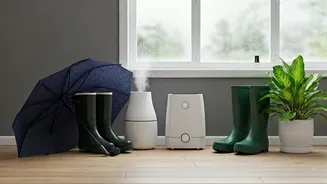
Many people wait until the first leak appears to think about home maintenance. By then, it's often too late to prevent damage. Clogged drains and terraces can lead to flooding and structural issues, while unchecked dampness creates a breeding ground for mould and mildew, which can trigger allergies and respiratory problems. **The Fix:** Before the heavy rains set in, do a thorough check. Clear out your drains, gutters, and balconies to ensure proper water flow. Check your roof and walls for any cracks and have them sealed. Prune any large trees near your house that could have branches fall during a storm. Inside, ensure proper ventilation to combat dampness and consider using dehumidifiers or moisture-absorbing products in closets and closed spaces.
Mistake 3: Forgetting About Your Vehicle
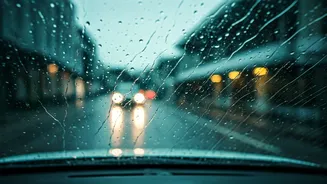
A car or two-wheeler breaking down is always an inconvenience, but it's a nightmare in the middle of a downpour on a waterlogged street. Common mistakes include driving with worn-out tyres, faulty wipers, and weak brakes, all of which are extremely hazardous on wet, slippery roads. **The Fix:** Service your vehicle before the monsoon begins. Check your tyre treads for adequate grip; replace them if they are bald. Ensure your windscreen wipers are working perfectly and replace the blades if they leave streaks. Have your brakes, headlights, and battery checked by a mechanic. When driving, go slow, avoid flooded roads where possible, and never restart your engine if it has stalled in deep water—you risk severe engine damage.
Mistake 4: Wearing the Wrong Clothes and Footwear
Denim jeans, leather shoes, and heavy cottons are terrible choices for the rainy season. They take forever to dry, can lead to skin irritation, and create a damp, uncomfortable feeling all day. Wearing closed, wet shoes is also a direct invitation for fungal infections on your feet. **The Fix:** Opt for light, synthetic fabrics like polyester or nylon that dry quickly. Instead of jeans, try wearing trousers or skirts made of these materials. For footwear, ditch the leather and canvas. Choose waterproof rubber or PVC sandals, floaters, or gumboots. This not only keeps your feet dry but also prevents nasty infections and provides better grip on slippery surfaces. Always remember to wash your feet with soap and dry them thoroughly after coming in from the rain.
Mistake 5: Underestimating Electrical and Mosquito Dangers
The monsoon brings two significant household dangers: electrical faults and mosquitoes. Ignoring exposed wires or using electronics with damp hands can lead to shocks or short circuits. Similarly, small pools of stagnant water around the home—in plant pots, old tyres, or coolers—become breeding grounds for mosquitoes carrying diseases like dengue, malaria, and chikungunya. **The Fix:** For electrical safety, have an electrician check your home's wiring, especially any outdoor connections. Use a surge protector for expensive electronics to guard against voltage fluctuations during thunderstorms. To combat mosquitoes, do a weekly check of your home and surroundings. Empty any containers with stagnant water. Use mosquito nets, repellents, and wear long-sleeved clothing, especially during dawn and dusk when mosquitoes are most active.