


More Than Just Decoration
In a tiny home, every object needs to justify its existence. Plants do more than just sit there and look pretty. They are dynamic, living design elements that can fundamentally change the feel of a room. Their organic shapes and textures provide a natural
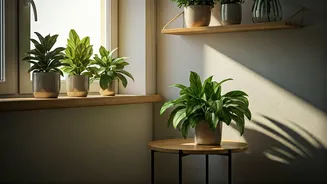
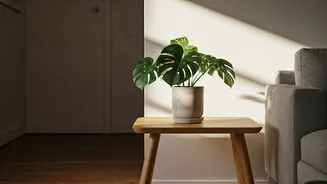
contrast to the often rigid, built-in furniture and straight lines of a small space. A trailing vine can soften the hard edge of a shelf, while the broad leaves of a larger plant can create a welcoming focal point, turning a purely functional area into a warm and inviting sanctuary. This 'softening' effect is also psychological; being around plants is proven to reduce stress and create a calmer, more natural-feeling environment, which is invaluable when your living, dining, and sleeping areas are all within a few feet of each other.
Choosing the Right Plant for the Right Nook
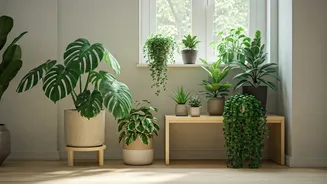
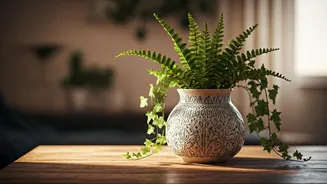
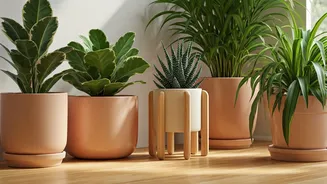
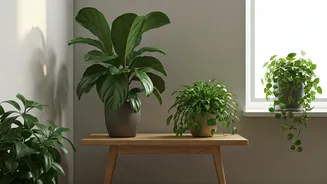
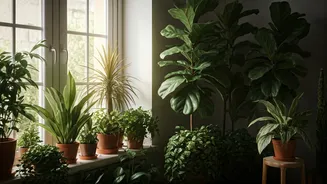
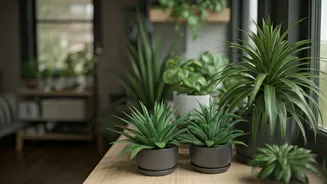
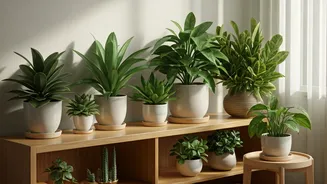
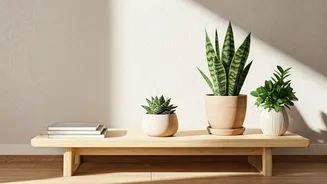
The key to successful tiny home gardening is selecting plants that won't just survive, but thrive. Space and light are your primary considerations. Look for plants that are happy in low or indirect light, as window space is often at a premium. Hard-to-kill varieties are your best friends here. The Snake Plant, for instance, is famously tough and grows vertically, taking up minimal floor space. Similarly, the ZZ Plant and Cast Iron Plant are incredibly forgiving and tolerate low light well. For shelves and ledges, you can't go wrong with a Pothos or a Philodendron. These trailing plants are easy to care for and create beautiful cascading lines that add a sense of movement and vitality to the space.
Think Vertically and Hang High
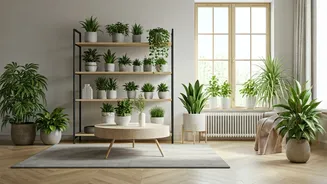
When floor space is the most valuable real estate you own, the only way to go is up. Vertical gardening isn't just a trend; it's a small-space necessity. Wall-mounted planters can turn a blank wall into a living work of art without taking up a single square inch of the floor. You can find modular systems, simple wall pockets, or even make your own with a repurposed pallet. Hanging planters are another brilliant solution. A macrame hanger holding a Spider Plant or a trailing fern in a corner can add layers and dimension, drawing the eye upward and making the room feel taller. Don't forget about other overlooked spaces, like magnetic planters on the fridge or over-the-rail boxes for a loft railing.
Creating Illusions of Space and Life
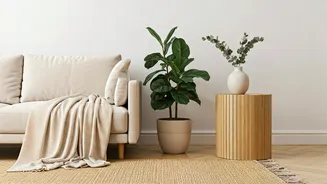
Plants can be master illusionists in a tiny home. A tall, slender plant like a Corn Plant (Dracaena) in a corner draws the eye vertically, enhancing the sense of height. A trailing plant like a Pothos hung near a window can frame the view and create a green curtain that adds a sense of privacy and depth. You can also use plants to define zones within your open-plan space. A slightly larger floor plant, like a Peace Lily, placed next to a chair can help create a distinct 'reading nook' without building a single wall. Combining plants of different heights, textures, and pot styles in a single corner creates a lush, curated vignette that makes the home feel more established and personal.
The Practical and Psychological Payoff
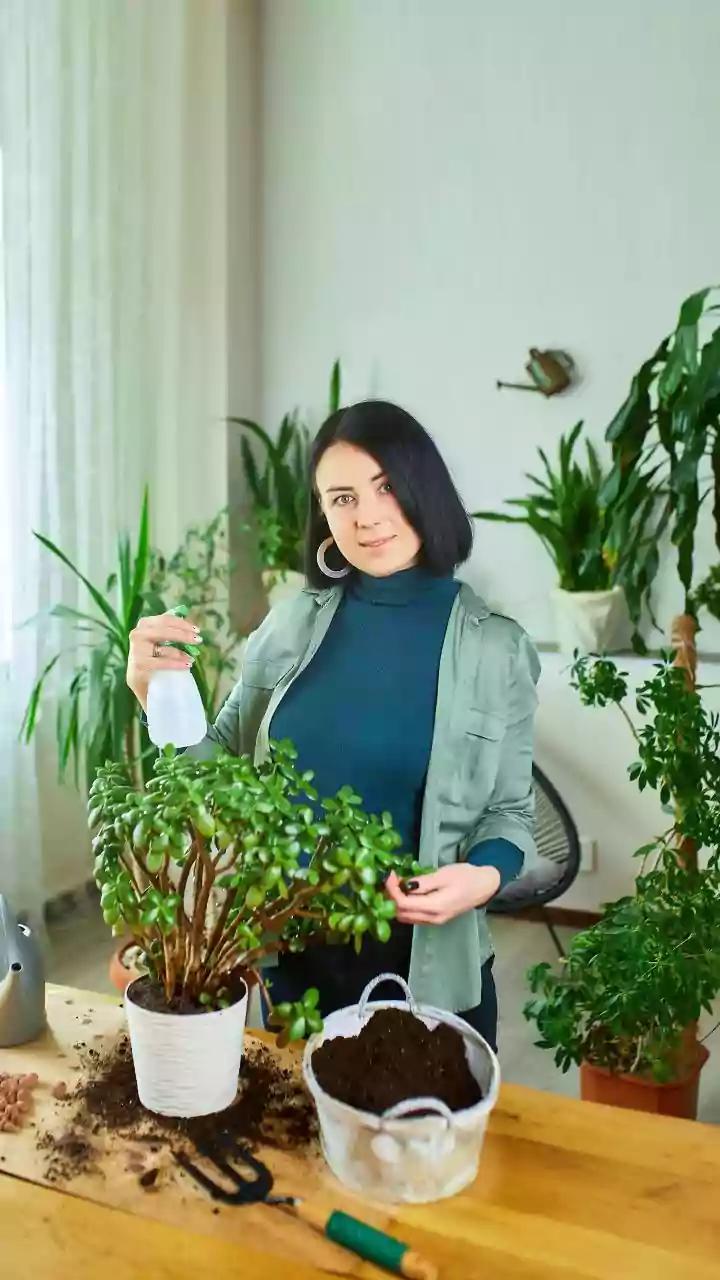
The benefits of bringing plants into your tiny home extend far beyond aesthetics. Many common houseplants are excellent at purifying the air, which is a significant advantage in a small, enclosed environment. But perhaps more importantly, the act of caring for plants has a profound impact on well-being. Studies have shown that interacting with indoor plants can lower stress and anxiety levels. The simple, mindful routines of watering, pruning, and watching something grow can provide a powerful sense of connection to nature and a welcome break from a hyper-efficient lifestyle. In a home built for minimalism, this small ritual can add a rich layer of purpose and joy.