




The Comfort Food Comeback
For millions across India, the smell of roasting semolina (suji) and spluttering mustard seeds is the scent of home. Upma, in its many forms, has long been a breakfast champion—quick, filling, and deeply comforting. It’s the dish a mother whips up on a busy
school morning, the light meal you turn to when feeling under the weather, and the reliable option at any Udupi restaurant. This deep-seated nostalgia is the foundation of its enduring appeal. In a world of fleeting food fads, upma represents stability. It’s a culinary anchor, reminding us of simpler times and uncomplicated flavours. This emotional connection is a powerful force, and it’s the first reason why, when we look for something wholesome, our minds often drift back to a familiar bowl of upma.
A Perfect Fit for Modern Wellness
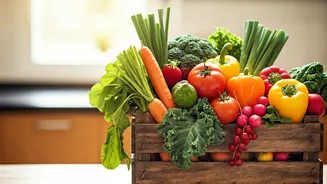
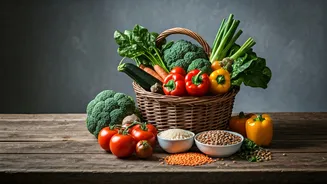
While nostalgia provides the base, upma’s recent surge in popularity is being fuelled by its surprising alignment with modern wellness trends. Today’s health-conscious consumer is looking for meals that are balanced, minimally processed, and plant-forward. Vegetable upma checks all these boxes. Made from suji, a source of healthy carbohydrates and iron, and packed with a rainbow of vegetables like carrots, peas, and beans, it’s a nutritionally dense meal. It is light on the stomach yet provides sustained energy, making it an ideal breakfast or light lunch. Unlike many Western breakfast options that are high in sugar or refined fats, a well-made upma is a model of balance. Nutritionists often praise it as a complete meal in a bowl, delivering protein, carbs, fibre, and essential vitamins. It’s the traditional wisdom of our grandmothers meeting the scientific approval of today’s dietary experts.
The Social Media Glow-Up
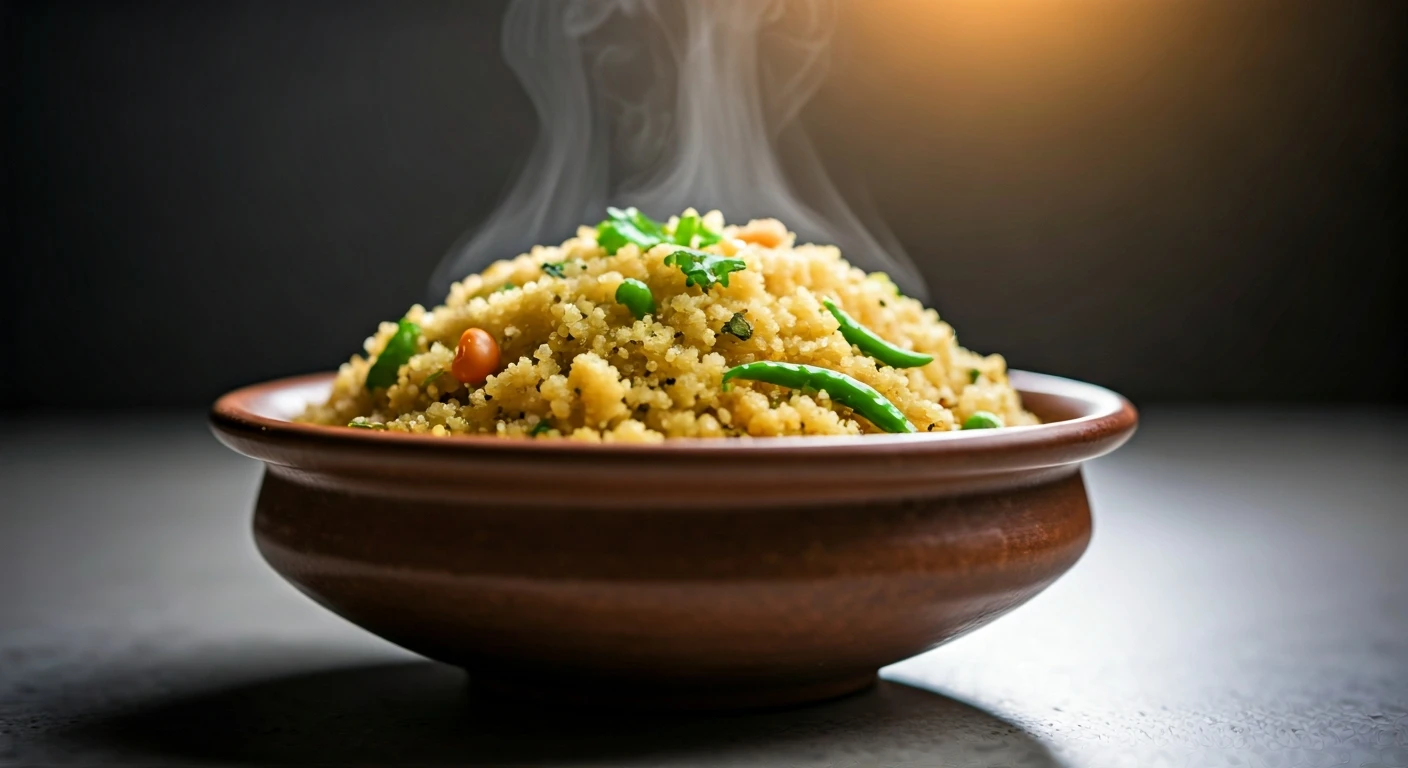
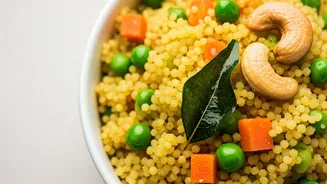
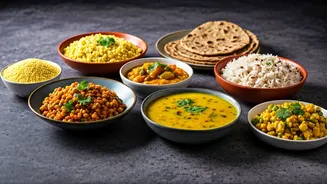
A dish can be nostalgic and healthy, but in the 21st century, it needs to be 'Instagrammable' to truly trend. And upma, surprisingly, has passed the test. Food bloggers and home cooks are giving the humble dish a photogenic makeover. A simple bowl is transformed into a canvas: a bright yellow base dotted with vibrant green peas, brilliant orange carrots, and fresh coriander, sometimes topped with crunchy peanuts or cashews. A final dollop of ghee catches the light, making it irresistible to the camera. The hashtag #upma is filled with beautifully styled shots, showcasing its versatility and visual appeal. This social media exposure is introducing the dish to a new generation and a global audience, who see it not just as breakfast, but as a stylish, healthy meal choice. It proves that even the most traditional foods can get a 'glow-up' and find new life online.
A Canvas for Kitchen Creativity
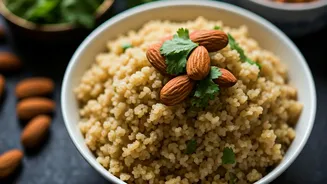
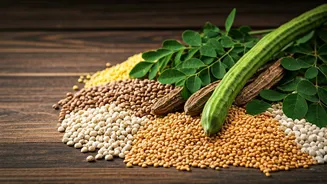
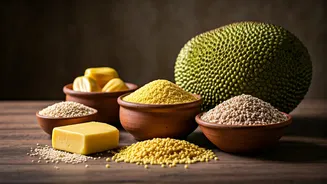
The classic vegetable upma is perfect as it is, but its trending status is also tied to its incredible adaptability. It’s a foundational recipe that invites experimentation. Health-conscious innovators are swapping traditional suji for healthier alternatives like millet (bajra upma), quinoa, broken wheat (dalia), or even oats. These variations not only alter the nutritional profile but also offer new textures and flavours. The choice of vegetables is limitless, from broccoli and bell peppers to corn and mushrooms. Some chefs are even experimenting with the tempering (tadka), adding different spices or a dash of tangy lemon juice to create a unique signature. This flexibility means upma can be tailored to any palate, dietary restriction, or pantry availability. It is no longer just one dish, but a category of quick, savoury porridges that encourages creativity in the kitchen.