



Why July is a Double-Edged Sword
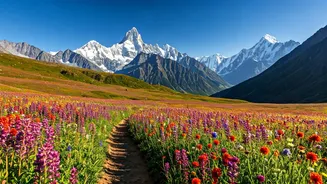
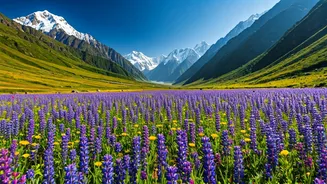
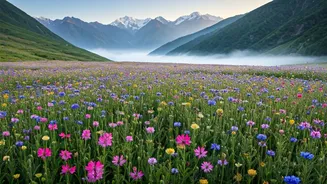
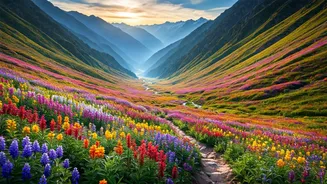
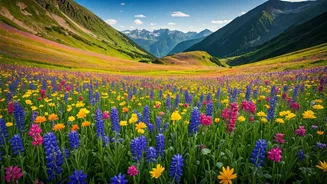
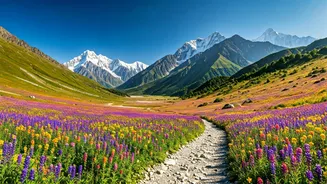
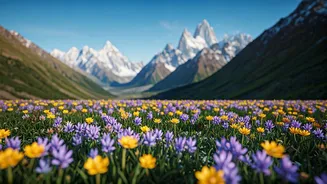
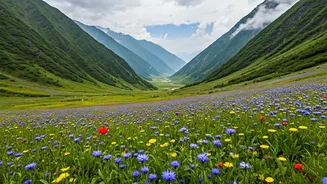
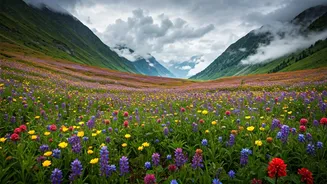
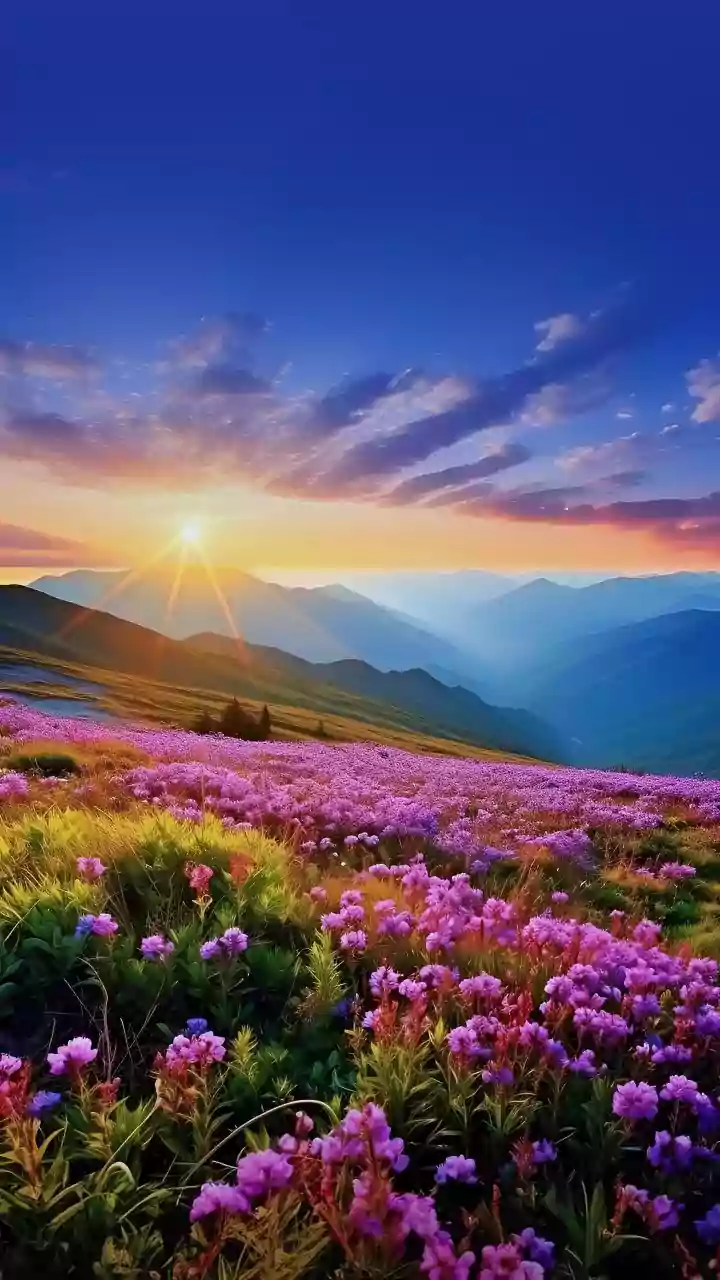
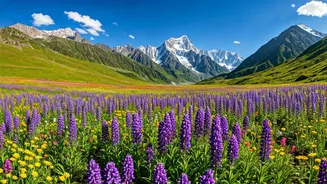
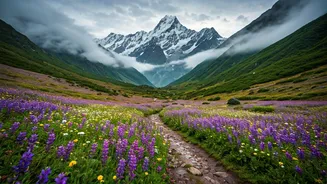
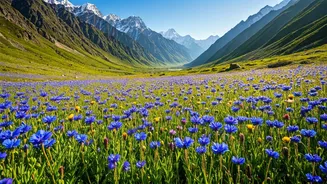
July marks the beginning of the peak flowering season in the Valley of Flowers. The monsoon rains, which begin to intensify this month, trigger a spectacular bloom, with hundreds of species like primulas, marigolds, and orchids carpeting the meadows.
This makes mid-July to mid-August the absolute best time to witness the valley in its most vibrant state. However, this is also the heart of the monsoon. This means trekkers must be prepared for slippery trails, intermittent downpours, and lower visibility due to fog. Daytime temperatures are generally pleasant for trekking, ranging from 12°C to 20°C, but nights can be cool. The trade-off for seeing the valley at its most beautiful is navigating the challenges posed by the wet weather.
Navigating Monsoon Risks and Landslides
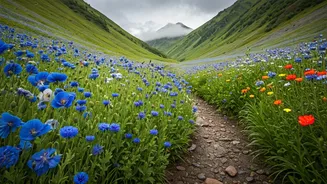
The single biggest concern for a July trip is the risk of landslides, a recurrent hazard in Uttarakhand's hilly terrain, especially during the monsoon. While the trek itself is generally considered safe and is monitored by authorities, the access roads to the starting point, Govindghat, can be affected by blockades. It is crucial to build buffer days into your itinerary to account for potential travel delays. On the trail, especially the path from Govindghat to the base village of Ghangaria, expect muddy and slippery conditions. Using trekking poles for stability and wearing waterproof shoes with excellent grip are non-negotiable for safety. Always check the weather forecast before starting your day's trek and heed any warnings from local authorities or your guide.
Booking Permits and Accommodation in Advance
The Valley of Flowers National Park opens on June 1st and closes in October. A permit from the Forest Department is mandatory to enter. These can be booked online in advance, which is highly recommended for the peak July season, or obtained offline at the entry gate near Ghangaria. The base for the trek is the village of Ghangaria, which has limited accommodation options, including guesthouses, private hotels, and government-run tourist rest houses (GMVN). Given the influx of both trekkers and pilgrims visiting the nearby Hemkund Sahib, these lodgings fill up fast. It is essential to book your stay in Ghangaria at least two to three months in advance to avoid last-minute difficulties. Remember, overnight stays are strictly prohibited inside the valley itself; all visitors must enter and exit on the same day.
Your Essential Packing List
Packing correctly is critical for a comfortable and safe monsoon trek. Your gear must prioritize staying dry and warm. Leave cotton clothing at home, as it absorbs moisture and takes a long time to dry, making you feel cold. Instead, opt for quick-dry synthetic layers. A high-quality, breathable waterproof jacket and waterproof trekking shoes with ankle support and deep treads are your most important pieces of gear. Also, carry a waterproof cover for your backpack to protect your belongings. A trekking pole will provide crucial stability on slippery sections. Other essentials include a headlamp, a personal first-aid kit, sunscreen, sunglasses, and enough cash, as mobile connectivity and digital payments are unreliable after Govindghat.
A Sample 6-Day Itinerary
A typical trip requires about six days, starting from Rishikesh or Haridwar. Day 1 involves a long drive to Govindghat or Joshimath. On Day 2, you drive a short distance from Govindghat to Pulna and then begin the 9-10 km trek to Ghangaria, the base camp. Day 3 is dedicated to exploring the Valley of Flowers, a round trip of about 8-10 km from Ghangaria. Many trekkers use Day 4 for the optional but strenuous trek to the high-altitude Hemkund Sahib lake and Gurudwara. On Day 5, you trek back down from Ghangaria to Govindghat and drive to Joshimath. Day 6 is the return journey to Rishikesh. This structure allows for gradual acclimatization to the altitude, which is a key factor for safety.