

The Build-Up: Before the Main Event
While the main festivities kick off on Maha Shashthi, the excitement in Kolkata is palpable from Mahalaya, which falls on October 10, 2026. This day marks the beginning of 'Devi Paksha', the fortnight of the Goddess, and is considered the day she begins
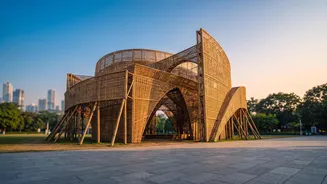
her journey to her paternal home on Earth. For visitors, the days leading up to the main puja are a fantastic time to witness the final touches being put on the pandals (temporary decorative structures) and the idols being given their finishing strokes by artisans in areas like Kumartuli. It's a less crowded, more intimate look at the massive creative effort behind the festival.
October 16–17: Maha Shashthi — The Unveiling
The festival officially begins on Maha Shashthi, which falls on Friday, October 16, and continues into Saturday the 17th. This is the day of 'Bodhon', the ritual that awakens and invokes the Goddess Durga. In the evening, the faces of the idols are unveiled, a moment known as 'Chokkhu Daan' symbolically, and priests perform rituals to invite the Goddess to reside in the idol for the next few days. For a visitor, this is when the pandal-hopping frenzy begins. The lights are on, the rhythmic beat of the dhak (a traditional drum) fills the air, and the city's energy starts to soar.
October 18: Maha Saptami — The Rituals Begin
Maha Saptami, on Sunday, October 18, sees the performance of one of the most significant early rituals. Before dawn, the 'Kola Bou' or 'Nabapatrika' (a banana plant dressed in a saree representing nine forms of the goddess) is bathed in a river, most notably the Hooghly, and placed beside Lord Ganesha. This ritual, called 'Pran Pratistha', establishes the divine presence in the idol. From this day forward, the worship is in full swing. Pandals become hubs of community, with cultural programs and the serving of bhog (food offered to the deity, then distributed).
October 19: Maha Ashtami — The Peak of the Puja
Monday, October 19, marks Maha Ashtami, widely considered the most auspicious day of Durga Puja. The morning is defined by 'Pushpanjali', where devotees across the city offer flowers to the Goddess in a moving, collective prayer. Another key ritual is the 'Kumari Puja', where a pre-pubescent girl is worshipped as a living incarnation of the Goddess. The day culminates in the 'Sandhi Puja', a powerful 48-minute ceremony at the juncture of Ashtami and Navami, marking the moment Durga transformed into her fierce Chamunda form to defeat demons. The air is thick with incense, chanting, and the fervent beats of 108 dhaks.
October 20: Maha Navami — The Final Celebration
As per the Bengali calendar, Maha Navami begins on October 19 and concludes on Tuesday, October 20. This is the final day of grand worship and celebration. It features the 'Maha Aarti', a grand fire-lit ritual that serves as a spectacular closing ceremony. This is also the last day for major pandal hopping and feasting before the farewell begins. Many pandals host the energetic 'Dhunuchi Naach', a dance performed with earthen incense burners filled with coconut husks, as a final offering to the Goddess.
October 21: Vijaya Dashami — The Bittersweet Farewell
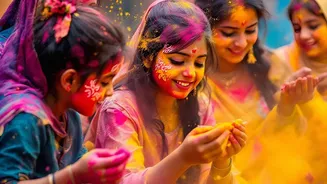
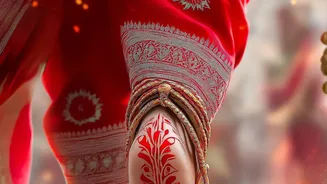
On Wednesday, October 21, the festival concludes with Vijaya Dashami. In the morning, married women participate in 'Sindoor Khela', smearing vermilion powder on each other and on the idol, a ritual celebrating womanhood and wishing for a happy married life. Later in the day, grand processions carry the idols for 'Visarjan' (immersion) in the river. It is a poignant, emotional spectacle, filled with music and dancing, as devotees bid farewell to the Goddess, with the promise of her return next year: 'Asche Bochor Abar Hobe' (It will happen again next year).
Tips for Your Puja Trip
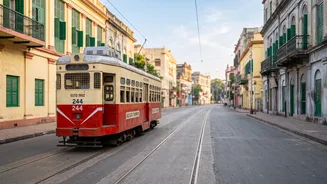
Navigating Kolkata during Puja requires some planning. Book accommodation and travel tickets well in advance. Be prepared for massive crowds and traffic restrictions; the Kolkata Metro is often the most efficient way to travel between North and South Kolkata. Wear comfortable footwear, as you will be doing a lot of walking. While visiting pandals is the main attraction, don't miss the chance to see the traditional pujas at the city's old aristocratic 'Bonedi Baari' homes for a glimpse into centuries-old traditions. Finally, indulge in the incredible street food and the special bhog served at pandals.