







The Energy Nutrient You Might Be Missing
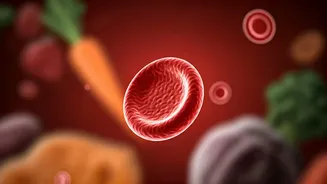
Vitamin B12, also known as cobalamin, is a crucial nutrient that your body needs but cannot produce on its own. It's essential for creating red blood cells, synthesising DNA, and maintaining the health of your nerves. When your B12 levels are low, your body can't
produce enough healthy red blood cells to carry oxygen efficiently, which can lead to a type of anemia. This powerhouse vitamin is also vital for brain function and mood regulation. A long-term deficiency can lead to serious and sometimes irreversible neurological damage. Despite its importance, studies show that a significant portion of the Indian population, with some estimates as high as 47%, suffers from B12 deficiency.
A Modern Vegetarian's Dilemma
The primary reason young, urban vegetarians are particularly vulnerable is simple: Vitamin B12 is found almost exclusively in animal-based foods. Meat, fish, eggs, and dairy are the main natural sources. While a traditional Indian vegetarian diet includes dairy products like milk, paneer, and curd, which do contain B12, modern lifestyles and dietary shifts can lead to reduced consumption. One meta-analysis found that the prevalence of inadequate B12 levels among Indian vegetarians could be as high as 65%. The issue is compounded for vegans who consume no animal products at all. The urban environment itself, despite its access to varied foods, doesn't protect against this deficiency, with some studies showing urban residents are just as, if not more, susceptible.
Beyond Tiredness: The Warning Signs
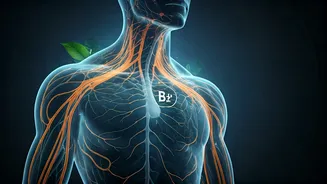
B12 deficiency often develops slowly, with symptoms that are easy to dismiss as part of a busy, stressful life. Persistent fatigue and weakness are the most common signs. However, you should also watch for neurological symptoms like a “pins and needles” sensation or numbness in your hands and feet, difficulty with balance, and muscle weakness. Other red flags include a sore, reddish tongue, mouth ulcers, pale or yellowish skin, and cognitive issues like brain fog, memory problems, and changes in mood, such as irritability or depression. Because these symptoms can mimic other health issues, the deficiency often goes undiagnosed until it becomes more severe.
Closing the B12 Gap: Diet and Fortification
The good news is that addressing B12 deficiency is straightforward once it's identified. For lacto-vegetarians, increasing the intake of dairy products is a key first step. Milk, cheese (especially Swiss cheese), yogurt, and paneer are all good sources. A single glass of cow's milk (250 ml) can provide nearly half of the recommended daily intake. Another powerful tool is fortified foods. Many breakfast cereals, as well as plant-based milks like soy and almond milk, are now fortified with Vitamin B12 in India. It is important to read labels to ensure you are choosing fortified products. For those with a significant deficiency, or for vegans, supplements may be necessary. These are available as tablets or, in severe cases, as injections prescribed by a doctor.