





The Real Value of Keeping Records
Before diving into the 'how,' it's worth understanding the 'why.' Keeping a detailed log of your home's upkeep isn't just for meticulous organisers. It's a pragmatic approach that saves you money, time, and stress. A proactive maintenance schedule helps
prevent minor issues, like a small leak, from escalating into major, costly disasters. When you have a record of your HVAC servicing, for example, you can extend the life of the unit and improve its efficiency, lowering your energy bills. Furthermore, a well-documented maintenance history is a powerful tool when it's time to sell. It provides tangible proof of care, which can help you negotiate a better price and build trust with potential buyers who are more likely to invest in a property that has been transparently well-maintained.
What Every Homeowner Should Track
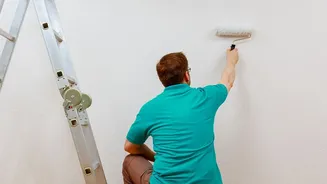
A central home record system is only as good as the information it contains. While every home is different, a comprehensive log should include several key categories. Start with fundamental property documents like your deed, title insurance, and property survey. For ongoing maintenance, track all repairs and upgrades, keeping invoices, contractor contact details, and any warranties. Don't forget the small details that cause big headaches later: paint colours and finishes for easy touch-ups, and the make and model of appliances for when you need to order a part or consult a manual. It's also wise to note the location of essential shut-off valves for water and gas, and details about your septic system if you have one. This information becomes invaluable during an emergency.
The Digital Method: Apps and Cloud Storage
For those comfortable with technology, digital systems offer unparalleled convenience and accessibility. You can use dedicated home management apps designed specifically to store documents, set maintenance reminders, and track expenses. These apps often allow you to upload photos of receipts and documents directly from your phone. Alternatively, you can create your own system using general-purpose cloud services like Google Drive, Dropbox, or Notion. Create a main folder for your home and then sub-folders for categories like 'Appliances,' 'Repairs,' 'Warranties,' and 'Legal Documents.' The key advantage is that your information is securely backed up and accessible from anywhere, saving you from frantically searching for a paper document when a plumber is at your door. Many apps also feature reminder functions for recurring tasks like changing air filters or cleaning gutters.
The Analog System: Binders and Files
If you prefer a more hands-on approach, a physical binder or filing system can be just as effective. A simple three-ring binder with dividers is a great starting point. Label sections for 'Contractors,' 'Appliance Manuals,' 'Receipts,' and 'Landscaping.' Use plastic sleeves to protect important papers like warranties and original receipts. For visual information, you can include paint chips and fabric swatches. This method centralises everything in one tangible place that anyone in the household can access without needing a password. The main drawback is the risk of loss or damage, so some people choose to keep a primary physical binder while also scanning the most critical documents as a digital backup. This hybrid approach offers the best of both worlds—the tactility of paper and the security of the cloud.
Making It a Habit
The most sophisticated system in the world is useless if it's not maintained. The key to long-term success is to make record-keeping a simple, ingrained habit. Whenever you have work done, buy a new appliance, or even just tackle a DIY project, take five minutes to update your records. Snap a photo of the receipt and upload it to your chosen app, or file the paper copy in your binder immediately. Schedule a recurring calendar appointment—perhaps quarterly or twice a year—to review your home maintenance checklist and plan for upcoming tasks. By breaking it down into small, regular actions, you prevent the task from becoming overwhelming and ensure your home's central record remains a truly useful resource for years to come.