


1. The Amphibian Paradise of the Western Ghats
Forget the big cats for a moment and think small. The Western Ghats, spanning Maharashtra, Goa, Karnataka, and Kerala, morph into a macro photographer's dream during the rains. The forest floor and streams come alive with a staggering diversity of frogs,
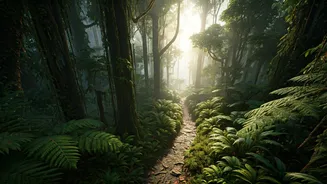
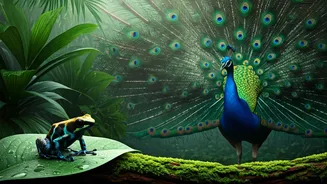
caecilians, and snakes. Destinations like Amboli and Malshej Ghat in Maharashtra become hotspots for herping trails, where you can spot the Malabar gliding frog, the kaleidoscopic Amboli toad, and the elusive blue-eyed bush frog. The air hums with a chorus of croaks, and the foliage drips with life. This is not about jeep safaris; it’s an immersive, on-foot experience guided by naturalists who can reveal a miniature world that remains hidden for the rest of the year. The vibrant green pit viper is another star attraction, often found coiled on branches, perfectly camouflaged in the lush new leaves.
2. The Bird Nursery at Keoladeo National Park, Rajasthan
While many national parks shut down, Keoladeo National Park (formerly Bharatpur Bird Sanctuary) offers a completely different spectacle. The monsoon rains replenish the park's wetlands, signalling the start of the breeding season for resident water birds. The cacophony is mesmerising. You can witness painted storks, open-billed storks, herons, and cormorants building their nests and raising their young in sprawling heronries. The park, a UNESCO World Heritage Site, can be explored on a cycle rickshaw, with knowledgeable rickshaw-wallahs doubling as expert guides. Seeing the intricate dance of courtship, nesting, and feeding against a backdrop of grey skies and verdant greens is a profoundly rewarding experience that summer and winter visitors completely miss.
3. The Lush Waterways of Periyar National Park, Kerala
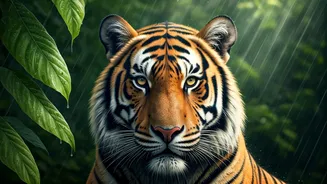
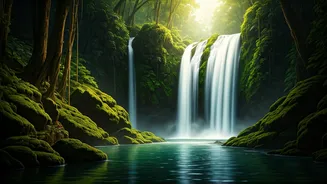
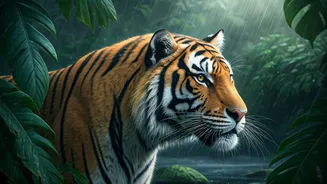
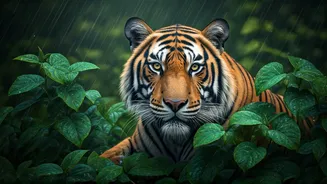
Periyar is one of the few tiger reserves in India that remains open to tourists year-round, and the monsoon is arguably its most beautiful season. The entire forest is washed clean, radiating a thousand shades of green. The famous boat safari on Periyar Lake takes on a mystical quality, with mist hanging over the water and the surrounding hills. While animal sightings can be a matter of luck, the chances of seeing elephants are excellent. Herds often come down to the reservoir's edge to drink and play in the water, their dark forms stark against the vibrant landscape. You may also spot sambar deer, gaur (Indian bison), and if you're very lucky, a tiger or leopard. It’s a serene, atmospheric safari, focused as much on the mood and the environment as it is on ticking off a checklist of animals.
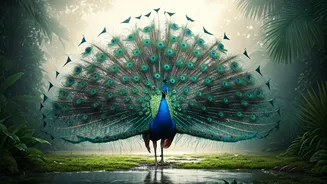
4. The Peacock Dance Across North and Central India
The monsoon is inextricably linked to India’s national bird, the peacock. The iconic image of a peacock fanning its iridescent tail and dancing is a behaviour performed to attract a mate, triggered by the overcast skies and the promise of rain. You don’t need to go to a specific park for this; the experience is available across rural landscapes in Rajasthan, Madhya Pradesh, and Uttar Pradesh. However, areas around wildlife sanctuaries like Ranthambore or Sariska in Rajasthan are particularly good places to witness this display. Driving through the countryside, you'll often see them on farmland, in groves, or perched on old forts, their brilliant colours a stunning contrast to the moody, grey clouds. It’s a quintessential monsoon sight that captures the season's romance and renewal.