





In the concrete jungles of urban India, public parks are emerging as more than just green lungs. They are vital public health tools, actively fostering fitness, mental peace, and community bonds for millions of city dwellers.
More Than Just a Morning Walk
The classic image of a public
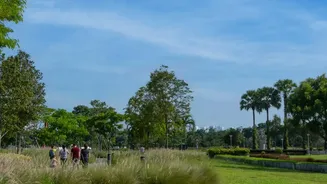
park in India is one of morning walkers and joggers circling a path. While this remains a core function, today’s parks are evolving into multifaceted fitness hubs. Many now feature open-air gyms with basic equipment, making strength training accessible to those who cannot afford a private gym membership. It's common to see diverse groups engaging in everything from laughter yoga and aerobics to organised running clubs and spirited games of chess. This variety ensures that people of all ages and fitness levels can find an activity that suits them, transforming these spaces into dynamic centres for daily physical health. Cities like Delhi, Pune, and Bengaluru have seen park upgrades that include dedicated jogging tracks, better lighting for safety, and clean facilities, signaling a growing recognition of their role in public wellness.
An Oasis for Mental Wellbeing
The benefits of parks extend far beyond physical exercise. In fast-paced, high-stress urban environments, green spaces offer a crucial sanctuary for mental and emotional restoration. Research confirms that spending time in nature can significantly reduce levels of cortisol, the body's stress hormone, while lowering symptoms of anxiety and depression. For many urbanites living in cramped apartments, a park provides a necessary visual and sensory break from noise and congestion, offering a space for quiet reflection and mindfulness. The simple act of being surrounded by greenery and nature has a restorative effect, helping to combat the mental fatigue that is a common feature of city life.
Building Healthier, Connected Communities
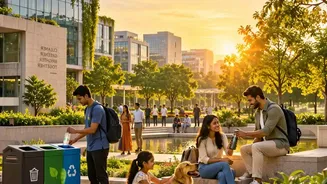
Public parks are one of the few truly democratic spaces in a city, accessible to everyone regardless of age, income, or background. This makes them powerful engines for building social cohesion. They function as 'third places'—environments outside of home and work where people can connect. In these settings, senior citizens find companionship, parents watch their children play, and neighbours build informal support networks. These social interactions are a critical, if often overlooked, component of a healthy lifestyle, combating loneliness and fostering a sense of belonging. By providing a safe and welcoming venue for community events, festivals, and daily gatherings, parks strengthen the social fabric of a neighbourhood.
Challenges in a Growing Nation
Despite their clear benefits, public parks in many Indian cities face significant challenges. Rapid urbanisation often leads to the encroachment of green spaces for infrastructure projects. A recent analysis in Bengaluru, for example, highlighted the shrinking availability of parkland per person. Many existing parks suffer from poor maintenance, inadequate facilities like clean toilets and drinking water, and safety concerns, particularly for women and children after dark. Furthermore, the distribution of parks is often uneven, with wealthier neighbourhoods having better access to well-maintained green spaces than densely populated, lower-income areas. Addressing these issues of maintenance, safety, and equitable access is crucial to unlocking the full potential of parks for public health.